Food Sustainability

December '22
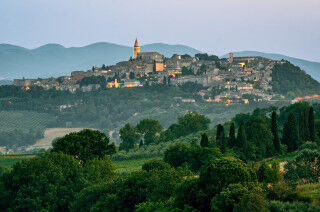
tagAlt.Umbria   italy

Savoring Umbria: A Gourmet Journey Through the Heart of Italy’s Culinary Traditions, Local Wines, and Timeless Recipes

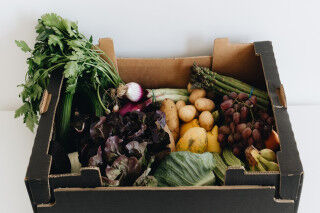
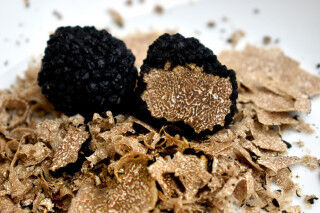
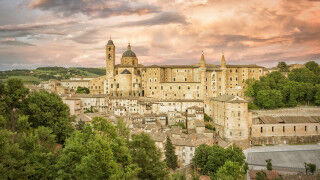
Nestled in the very center of Italy, **Umbria** is affectionately known as the '**green heart of Italy**.' Its rolling hills have cradled generations of farmers, winemakers, and artisans whose traditions shape the vibrant culture and cuisine of the region. The landscape, blanketed with centuries-old **vineyards** and **olive groves**, provides the perfect setting for an unforgettable culinary experience. The region’s history is interwoven with its gastronomy: from the Etruscans, who began cultivating grapes and olives, to medieval monks refining wine and cheese-making techniques in their monasteries. Locally produced **Sagrantino di Montefalco**, a bold red wine, tells the story of the Franciscan friars who first tended its grapes, while the aromatic **Trebbiano Spoletino** is a white wine that has been thriving in **Umbria**’s unique microclimate since Roman times. The renowned **Extra Virgin Olive Oil** is still pressed using traditional stone mills, its flavor enhanced by the mineral-rich soil. In the mystical town of **Norcia**, the making of **Ricotta Salata** is a craft passed down through generations, while the precious **black truffles** of **Valnerina** are celebrated with annual festivals and truffle hunts. The tiny, flavorful **Castelluccio lentils** are grown on the high plains, harvested during vibrant summer festivals that fill the region with color, music, and delicious aromas.<br><br>Typical Umbrian dishes reflect this deep connection to the land and local history. Savor the rich, slow-cooked **Strangozzi al Tartufo Nero**, where hand-rolled pasta is tossed with earthy black truffles, or the comforting **Zuppa di Lenticchie di Castelluccio**, a robust lentil soup flavored with herbs and local vegetables. Don’t miss **Porchetta Umbra**, a savory, aromatic roast pork infused with wild fennel, or the delicate **Torta al Testo**, a traditional flatbread cooked on a hot stone and filled with cured meats or fresh cheeses. For a taste of authentic Umbrian hospitality, explore village trattorias where recipes have been lovingly preserved and are served alongside local wines. Enhance your experience by visiting during harvest seasons or joining the lively food festivals, where you can witness traditional methods of truffle hunting, olive pressing, and winemaking. Each meal in Umbria is a celebration of its land, its people, and centuries of culinary artistry.

12 Dec, 2022
By Lele Gobbi
tagAlt.Christmas in italy

Iconic Italian Christmas Dishes: A Journey Through History, Flavor, and Festive Traditions

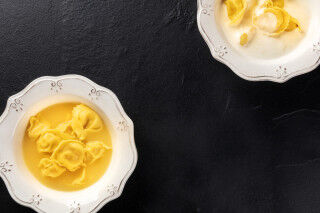
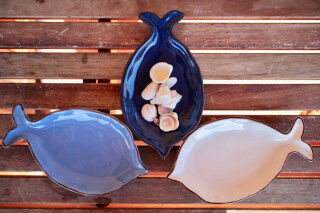
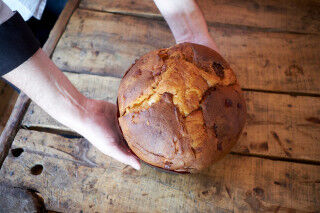
Christmas in Italy is more than just a holiday—it's an immersive experience of taste and tradition where centuries-old recipes and local ingredients come together to create unforgettable festive menus. This guide explores the most cherished Christmas dishes across Italy, enriched with historical notes, technical preparation details, and wine pairing suggestions. At the heart of the feast is the pillowy, fragrant **Panettone**, Milan's iconic sweet bread, whose origins date back to Renaissance banquets and which today graces tables all over Italy. The comforting **Tortellini in Brodo** from Emilia-Romagna—delicate pasta parcels filled with meat—are a symbol of family and craftsmanship, often served in rich homemade broth. For pasta lovers, **Lasagna** offers layers of pasta, ragù, béchamel, and cheese, representing the abundance and warmth of the holidays. The centuries-old tradition of **Baccalà** (salt cod) shines during Christmas Eve, especially in southern regions, where it's lovingly prepared with tomatoes, olives, and capers. The celebratory **Stuffed Capon** is a highlight on many Italian tables—roasted and filled with a blend of ground meats, herbs, and chestnuts, it recalls the opulent feasts of the Renaissance courts. For a festive touch, **Nougat (Torrone)**—made with honey, toasted nuts, and egg whites—has delighted Italians since Roman times, symbolizing sweetness and unity. The southern tradition of **Capitone** (large eel) reflects ancient beliefs about renewal and purification; this dish is typically marinated, grilled, or stewed in rich sauces. On New Year's Eve, **Zampone with Lentils**—a sausage-stuffed pig’s trotter—represents luck and prosperity, with lentils symbolizing coins for wealth in the coming year. Among desserts, the playful, honey-glazed **Struffoli** from Naples offer a burst of sweetness and color, while the spiced fruit-and-nut **Panforte di Siena** stands as a Tuscan treasure, dating back to medieval times. Expanding on tradition, Tuscany’s **Ribollita**—a rustic soup of bread, beans, and winter vegetables slow-cooked to perfection—captures the spirit of resourcefulness and comfort that defines holiday gatherings. And as a classic starter, **Crostini Toscani**—crisp bread topped with a savory chicken liver pâté—invites guests to savor the robust flavors of Tuscan cuisine. Every dish in this guide is a celebration of Italian heritage, craftsmanship, and the joy of coming together around the holiday table. Let these flavors and stories inspire your own Christmas feast, and experience the delicious magic of an Italian Christmas.

02 Dec, 2022
By Lele Gobbi
November '22
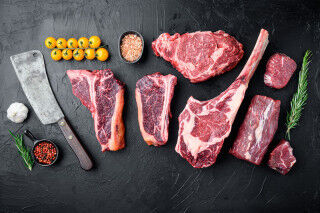
tagAlt.Various cuts of marbled beef meat and dry aged steaks, tomahawk, t bone, club steak, rib eye and tenderloin cuts, on black ston

A Culinary Journey Through Beef Cuts: Italian Heritage and Flavors

Throughout Italy, beef is more than just a staple food—it's a living testament to regional identities, culinary ingenuity, and deep-rooted traditions. Each part of the animal tells a story, and no story is as fascinating as that of the Fifth Quarter, or 'Il Quinto Quarto.' The Fifth Quarter refers to the offal and lesser-used parts of the animal, a symbol of resourcefulness and culinary creativity. Historically, these cuts were prized by butchers and working-class families who knew how to transform humble ingredients into unforgettable dishes. In the heart of Rome, 'Trippa alla Romana' is a beloved dish made from slow-cooked tripe simmered with tomatoes, mint, and Pecorino Romano cheese—a true reflection of Roman kitchen ingenuity. Similarly, 'Coda alla Vaccinara,' a hearty oxtail stew, is a classic from the city’s Testaccio neighborhood, once home to Rome’s slaughterhouses. In Florence, the rustic 'Lampredotto'—the fourth stomach of the cow—takes center stage in the city’s famous street food. Cooked in a savory broth and served in a crusty bun with salsa verde, this delicacy is beloved by locals and adventurous visitors alike. Traveling north to Emilia-Romagna, 'Fegatelli' (skewered liver bites) are often grilled over open flames and featured in festive gatherings. In Veneto, 'Fegato alla Veneziana' is a celebrated dish where thinly sliced liver is sautéed with sweet onions and a splash of local vinegar, creating a beautifully balanced flavor. Even in southern regions like Sicily and Calabria, the Fifth Quarter is revered. Dishes such as 'Stigghiola'—grilled skewers of lamb or beef intestines seasoned with herbs—are popular street foods during festivals and family feasts. The tradition of using every part of the animal is not only a testament to Italian thrift and respect for food but also a culinary art form. From the grand tables of the north to the lively markets of the south, the Fifth Quarter brings communities together, celebrates local flavors, and ensures that nothing is wasted. This rich tapestry of recipes invites you to discover a lesser-known but deeply cherished side of Italian gastronomy—one where history, culture, and flavor unite in every bite.

03 Nov, 2022
By Lele Gobbi
October '22
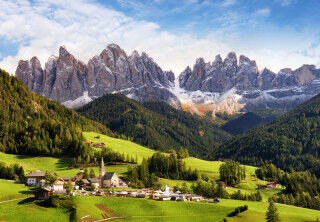
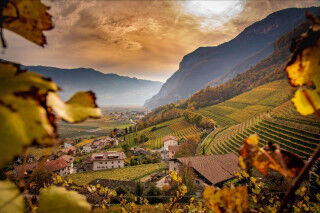
tagAlt.Val di Funes, Trentino Alto Adige, Italy. The great autumnal col

Savoring Trentino: The Ultimate Guide to Exploring Trentino's Culinary Heritage and Scenic Wonders

Trentino is situated in the enchanting northeastern region of Italy, embraced by the soaring Italian Alps and nestled between the crystal-clear waters of Lake Garda and the dramatic Dolomite mountains. This unique location has shaped Trentino's vibrant culinary scene, where centuries-old winemaking traditions and rich gastronomic heritage come together. The region is celebrated for its world-class wineries, picturesque vineyards, and an array of delicious local foods deeply rooted in the land's history and culture. Trentino's wineries are a testament to generations of passion and expertise. The landscape is dotted with both historic estates and innovative boutique vineyards, producing exceptional wines such as the sparkling Trentodoc, elegant Teroldego Rotaliano, and aromatic Müller-Thurgau. These wines are the result of unique alpine terroirs, cool mountain breezes, and dedicated craftsmanship. Visitors can tour scenic wine routes, stroll through sun-drenched vineyards, and participate in tastings that reveal the subtle nuances of each vintage while learning about the local winemaking methods passed down through the ages. The food of Trentino is equally captivating, offering a delicious blend of Italian and Alpine influences. Traditional dishes like canederli (savory bread dumplings), polenta with wild game, and carne salada (cured beef) tell the story of a land shaped by its seasons and its people. Cheeses such as Puzzone di Moena and Trentingrana, aged in mountain dairies, embody the region's dedication to quality and tradition. Local festivals and family-run restaurants proudly showcase recipes that have been refined over generations, using ingredients sourced directly from the valleys, forests, and alpine pastures. Through every bite and sip, Trentino invites you to experience its authentic flavors and the enduring connection between its food, wine, and breathtaking landscape.

13 Oct, 2022
By Lele Gobbi
March '21