I EAT, I CREATE: THE DELICIOUS JOURNEY OF THE CONSUMER BRAND
Imagine picking up a carton of farm-fresh eggs, a tin of sun-ripened canned tomatoes, or a package of authentic Italian pasta, knowing they are not just any products, but the fruit of a new European food revolution. These everyday staples are not adorned with flashy logos or celebrity endorsements. Instead, they proudly belong to The Consumer Brand, a movement born from the heart of France and now redefining what it means to be a conscious shopper. The story began with the bold slogan, "Who is the boss?", challenging the status quo of the food industry. In just a handful of years, the "C’est qui le patron?!" initiative has transformed shelves and mindsets, proving that when consumers unite, they can create genuine impact.
The movement sprouted in 2016, during a turbulent time for the French dairy sector, battered by shifting European milk quotas. As small dairy farms faced extinction, French innovator Nicolas Chabanne responded with a revolutionary idea: give consumers the power to decide how food is produced, priced, and sold. By launching the "C’est qui le patron?!" initiative, Chabanne opened a window into the realities of the supply chain, letting over 10,000 consumers see the true cost of raw milk, the wages of workers, and the stories of the farmers themselves. The result was the launch of Consumers' Milk, a product created with transparency and fairness at its core. The impact was staggering—within three years, this ethical milk sold a dazzling 160 million liters, proving that people crave more than just a name on a label—they want food with soul and purpose.
THE CONSUMER BRAND GOES GLOBAL: A TASTE OF CHANGE ACROSS CONTINENTS
Fast-forward to today, and The Consumer Brand has blossomed beyond France, planting roots in 10 countries and spanning three continents. In 2019, the movement made its Italian debut under the passionate leadership of Enzo Di Rosa. A fourth-generation farmer and a true champion of organic agriculture, Di Rosa brought his expertise to this groundbreaking project, calling it "the most sensible agricultural revolution of our times."
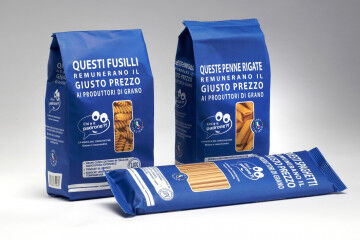
"In the heart of the pandemic," Di Rosa recalls, "shoppers at Carrefour supermarkets began finding Consumer Brand pasta—the beloved Italian trio of spaghetti, fusilli, and penne—on their shelves. Next up: juicy Italian tomatoes and farm-fresh eggs." What makes these products so special? It’s the power handed to consumers. No longer passive, they become food activists, deciding which products are created and under what terms—down to the last detail.
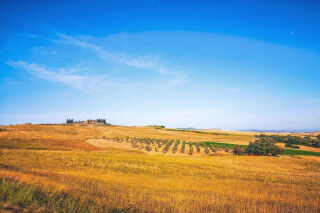
Through detailed surveys, consumers set the rules for quality, production methods (from the golden wheat fields to the skilled hands in the pasta factories), fair pay for producers, the selection of raw ingredients, and even the protection of workers. Every preference is gathered, analyzed, and relayed directly to producers. This process empowered an Italian community of over 6,000 food lovers (with about 100 active subscribers at the time) to demand a 100% Italian durum wheat pasta, crafted via sustainable agriculture and the traditional bronze-cut method, wrapped in recyclable packaging, and sold at a fair price of just €1.07 per pack. Rising to the occasion, the acclaimed Sgambaro pasta factory in Treviso met every requirement, winning the honor of producing this consumer-designed delicacy.
Forget expensive ad campaigns; The Consumer Brand thrives on the authentic voices of its members. From word-of-mouth recommendations to vibrant social media buzz, the community itself becomes the best marketing tool—spreading the joy, the flavors, and the mission of the movement far and wide.
CRUNCHING THE NUMBERS: WHY THE CONSUMER BRAND MATTERS
The movement’s influence is as concrete as it is inspiring. Thanks to The Consumer Brand, Italian wheat farmers now earn €400 per ton—a remarkable 35% above the usual market price. This is more than just a number; it’s a lifeline for many rural families.
"We’ve locked in these prices for the next three years," Di Rosa affirms with pride. On top of that, The Consumer Brand has established two vital funds: one to help farms convert to organic methods and another to support families and farmers facing tough times. These initiatives are made possible by allocating just 5% of product sales to cover management costs—an investment in the future of ethical food.
Transparency is the heart and soul of The Consumer Brand. Every consumer can trace where their money goes simply by visiting the official website—no secrets, just honesty and trust.
While France leads the way with a dazzling selection of 35 products available in over 12,000 shops—touching the lives of more than 14 million people and involving 9,000 companies—Italy is gearing up to match this impact. In France, you’ll find The Consumer Brand products everywhere: from school cafeterias and local markets to retirement homes.
In Italy, for now, you’ll find these treasures in Carrefour supermarkets, but the vision stretches much further. The future holds dreams of a European and international network—a marketplace for local specialties where, for example, Italy might swap its beloved pasta for velvety Greek yogurt, both proudly sporting The Consumer Brand label. Imagine savoring the best of Europe, one honest, delicious bite at a time.
If you’re inspired by Francesca’s journey, dive deeper into her vibrant stories on the Mamablip Blog. Don’t miss her mouthwatering guide to the trendiest and most sustainable artisanal Panettone—get ready for next winter’s delicious celebrations!
Stay hungry for change—sign up for the Mamablip Newsletter and be the first to know about new flavors, stories, and opportunities to shape the future of food!