The Essential Role of Vegetables in Italian Cuisine
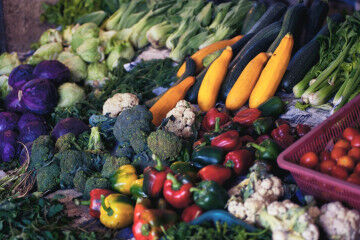
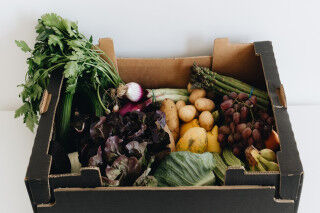
There is nothing more mouthwatering or authentically Italian than cooking with the freshest seasonal vegetables you can find. Every season in Italy brings a cornucopia of flavors, colors, and aromas to your table. Picture crisp spring peas, fragrant summer basil, robust autumn squash, and sweet winter fennel—each offering a sensory celebration that elevates even the simplest dish. When you cook seasonally, you’re not just following tradition; you’re experiencing the very heart of Italian culinary artistry, savoring produce at the peak of its flavor and nutritional value.
What I truly adore about Italian cooking is the way the changing seasons introduce exciting new culinary adventures. While I hold a deep affection for the family recipes passed down through generations, I also enjoy experimenting with fresh ingredients to create dishes that mirror my mood, the weather, or the occasion. Sometimes my inspiration comes from the knowledge and traditions of local farming communities, while other times it’s sparked by the simple pleasure of discovering a new ingredient at the market. And let’s not forget how these seasonal creations pair so perfectly with a glass of Chianti or a crisp Verdicchio, highlighting the harmony between food and wine that defines the Italian table.
Every season transforms the landscape and market stalls alike, painting a palette of vegetables that change in both color and character. Here are some standout favorites for each Italian season (with their Italian names):
- Estate (Summer) – Sweet peas, tender asparagus, aromatic oregano, pungent garlic, sun-ripened tomatoes, silky eggplant, earthy basil, vibrant carrots, juicy sweet peppers, crisp zucchini, leafy salads, refreshing celery, and sharp onions. Imagine a classic Caprese salad bursting with summer’s best or a rustic Ratatouille straight from the garden.
- Autunno (Autumn) – Late tomatoes, hearty zucchini, sweet onions, delicate leeks, rich squash and pumpkin, nourishing kale, crisp broccoli, buttery potatoes, vibrant chard, and robust salads. These ingredients shine in comforting dishes like Ribollita or Pumpkin Risotto.
- Inverno (Winter) – Tender spinach, aromatic fennel, earthy beets, spicy radishes, delicate artichokes, bitter Roman chicory, hearty cabbages, and pungent onions. Picture a steaming bowl of Minestrone or a simple platter of roasted fennel with lemon.
- Primavera (Spring) – Creamy cauliflower, buttery lima beans, baby zucchini, crisp cucumbers, peppery arugula, fragrant basil, tender salads, sweet pearl onions, glossy eggplant, juicy tomatoes, crunchy cabbages, delicate broccolini, slender green beans, and vibrant parsley. Imagine a light Pasta Primavera or a refreshing Caponata.
These are just a sampling—there are countless more, each with its own story, texture, and taste. And preparing them can be as simple as tossing steamed veggies with a drizzle of spicy extra virgin olive oil, a pinch of sea salt, and a squeeze of fresh lemon. This effortless approach lets each ingredient’s true flavor shine and invites you to taste the very essence of the Italian countryside.
Now that you know one of my secret, lightning-fast recipes, it’s your turn to give it a try—and experience first-hand why fresh, seasonal vegetables are the heart of Italian cuisine!
The Story Behind Italian Vegetable Cultivation
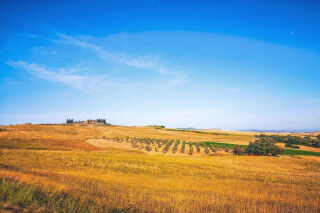
Ever wondered how Italian farmers manage to grow such spectacular produce? The answer is a magical blend of tradition, geography, and nature. Each Italian region boasts its own distinct climate and terrain, dictating which vegetables thrive and when they are harvested. The South of Italy, with its sun-soaked fields and mild winters, yields bountiful harvests of tomatoes, zucchini, eggplant, and much more, thanks to its extended growing season and ideal conditions.
What sets Italian veggies apart from the rest? Some say it’s the volcanic soil of the Neapolitan Riviera, especially near Mt. Vesuvius, infusing crops with minerals for unparalleled flavor. Others attribute the difference to the briny Mediterranean breeze or the perfect blend of sun and humidity. All these elements combine to create vegetables that are naturally seasoned, vibrantly colored, and deeply flavorful. I believe it’s a synergy of all these factors—and once you taste a sun-warmed San Marzano tomato or a delicate Roman artichoke, you’ll understand!
In Italy, eating together is a sacred daily ritual. Major events and simple joys happen at the table, which is why Italians demand the best from their food system. Strict regulations protect the integrity of local agriculture, ensuring that what reaches your plate is truly exceptional. But with modern supermarket chains and global importation, the quest for out-of-season produce sometimes risks sacrificing flavor for convenience. That's why seeking local, seasonal vegetables remains the best way to honor Italian tradition and savor authentic, unforgettable taste.
I remember traveling through North America and stumbling upon luscious, ruby-red tomatoes at summer farmers’ markets or crisp, just-picked green beans at roadside stands. The difference between these homegrown gems and their supermarket counterparts is unmistakable—they're imperfect, chemical-free, and bursting with flavor. Here too, the secret lies in seasonality and the passion of those who grow them.
Ultimately, what makes Italian vegetables so extraordinary is the perfect harmony between nature and tradition: mineral-rich soils, sea air, abundant sunshine, and a deep respect for the rhythms of the seasons. This results in vegetables with a vibrant territorial identity, telling the story of their land and the generations of farmers who nurture them.
Curious for more? Dive into Part 2 and unlock even more secrets of Italian produce!
Feeling inspired to cook? Check out Mamablip’s Recipe Index for tempting Vegetable Side Dishes, innovative Pasta Recipes, and flavorful Sauces crafted by our expert chef team. Turn every meal into a celebration of the seasons!
Don’t miss out on the latest culinary inspiration—sign up for Mamablip’s weekly newsletter and receive the newest blog articles, recipes, and exclusive wine news from Italy.