The truffle is truly a hidden gem, concealed beneath the ancient woodlands of Tuscany, lurking under the thick roots of linden, oak, willow, and nut trees. Just inches beneath the forest floor, these aromatic treasures remain undetectable to the human nose, their intoxicating scent only discoverable by expertly trained truffle-hunting dogs. These remarkable animals, often regarded as local heroes, are integral to the centuries-old tradition of truffle hunting, guiding enthusiasts to nature’s most exquisite flavors. The scent of freshly unearthed truffles—an irresistible blend of garlic, honey, and earth—fills the air, promising a culinary adventure like no other.
Tuscany stands as one of Italy’s most prolific truffle regions, second only to Piedmont in both yield and prestige. The region’s passion for truffles is showcased during the highly anticipated truffle fairs in late October through mid-November, where entire towns burst into celebration. Visitors flock to these vibrant festivals, where cooking demonstrations, lively seminars, and endless tastings are on offer. The towns become a stage for culinary artistry and tradition, where local chefs reveal their secrets for preparing legendary dishes such as Tagliolini al Tartufo Bianco and Crostini al Tartufo Nero. The air is thick with anticipation as truffle connoisseurs and curious visitors alike savor the unique flavors that have made Tuscan truffles world-renowned.
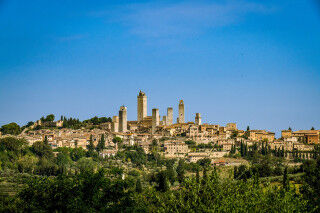
The heart of Tuscany’s truffle culture beats strongest in two exceptional areas: San Giovanni d’Asso, nestled south of Siena, and the historic town of San Miniato in the province of Pisa, not far from Florence. As autumn arrives, these ancient piazzas are transformed into hubs of activity, where truffle lovers gather to sample, judge, and celebrate the seasonal bounty. At the San Miniato Truffle Fair, visitors can witness the crowning of the largest truffle of the season and participate in blind tastings of both the prized white truffles (Tartufo Bianco) and the slightly more modest yet still coveted marzuolo truffles. For locals, the truffle season is an annual ritual that brings together families and communities, celebrating both tradition and the land’s generosity.
What makes Tuscany truly special is its unique climate, which fosters truffle growth nearly all year round. While autumn is the undisputed highlight for truffle hunting, the mild winters and warm summers also yield lesser-known varieties, making it possible to embark on a truffle hunt with a skilled guide and their trusty dog at almost any time. Many local families have passed down the secrets of truffle hunting through generations, transforming it into a cherished tradition that combines respect for nature with the thrill of discovery. Joining an authentic truffle hunt is an unforgettable experience—a chance to connect with the land, learn local legends, and perhaps even enjoy a rustic meal in the woods, paired with a glass of Chianti Classico.
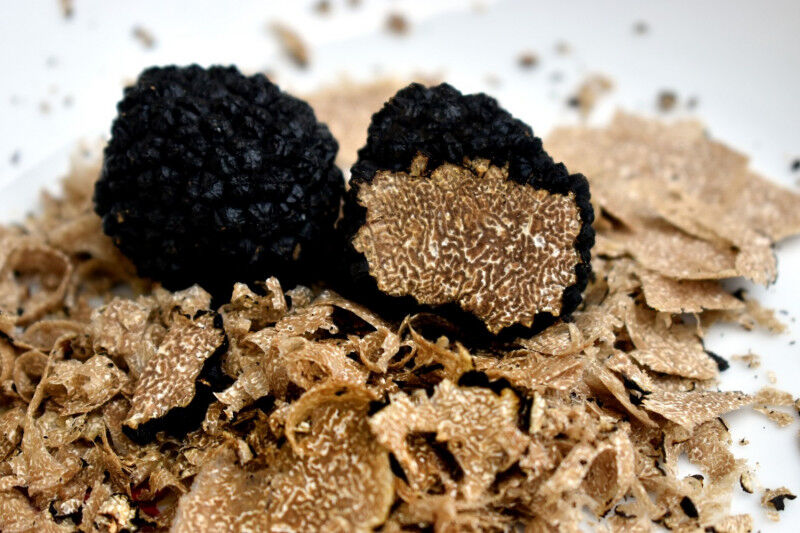
The world of Tuscan truffles is as diverse as it is delicious. These precious fungi range in color from pale yellow to deep brown, their lumpy forms varying from the size of a pea to a small orange. Beneath the thin, rugged skin lies the delicate flesh, or gleba, a treasure trove of aroma and flavor. When young, the flesh is white, gradually darkening and veining as the truffle ripens. Tuscany boasts several famous varieties, including the regal White Truffle (Magnatum Pico), the aromatic Black Truffle (Melanosporum Vitt.), the subtle Off-White Albidum, the summery Aestivum, and the wintry Brumale. Each variety is celebrated with its own local dishes and traditions, ensuring every encounter is a new delight.
Truffles thrive in close symbiosis with the roots of select trees—primarily lindens, poplars, willows, and especially oaks—and prefer to remain deeply hidden, sometimes up to 30 centimeters underground. The earliest truffles of the season, known as “di marca,” are found near the surface and are milder in both aroma and taste. As the season progresses, the truffles deepen in both flavor and fragrance, making the late-autumn harvest particularly prized among gourmets. The ritual of foraging for truffles is held in great esteem, often followed by joyful communal feasts where the day’s finds are celebrated and savored.
The art of truffle hunting is a proud Tuscan tradition. While pigs were once the preferred companions for hunters, their tendency to eat the truffles led to the exclusive use of dogs, whose loyalty and skill are unmatched. Commercial cultivation remains a formidable challenge—truffles require specific soils and symbiotic roots, and successful harvests can take up to a decade of diligent care, with no guarantee of results. This unpredictability only adds to the allure and value of the truffle, making each find a cause for celebration.
For many outside of Europe, especially in North America, truffles are rare and mysterious. Few have had the chance to taste them fresh, let alone participate in a traditional hunt. Yet in Tuscany, the relationship between truffle, tree, and soil is the heart of its culinary tradition. The flavor, texture, and scent are deeply influenced by their tree hosts: those grown with oak roots boast a robust, earthy aroma, while truffles nurtured by linden roots offer a more delicate and subtly sweet bouquet.
The taste of black truffles is a symphony of flavors—many describe a blend of chocolate, nuts, earth, and even a gentle woodiness, with a subtle hint of mushroom. The unique terroir of Tuscany imparts distinctive notes to each truffle. White truffles, meanwhile, are renowned for their striking garlicky flavor reminiscent of fresh shallots and their intoxicating, musky aroma. These qualities have inspired generations of chefs, allowing even the simplest dishes—like Tuscan Egg Pasta with White Truffle or Fried Eggs with Black Truffle—to become unforgettable gourmet experiences. Traditional recipes often pair truffles with local wines such as Brunello di Montalcino or Vernaccia di San Gimignano, elevating every bite to pure indulgence.
There’s a saying in Tuscany that truffles can make any dish unforgettable, whether it’s a rustic risotto or a creamy Polenta al Tartufo. The famous gastronome Brillat-Savarin once wrote that truffles could “make women more tender and men more lovable”—a sentiment still echoed today in Tuscan kitchens. Here, truffles are more than just ingredients; they are a celebration of the land, tradition, and the joy of sharing good food.
Given Tuscany’s storied culinary heritage, the truffle’s place of honor is well-deserved. To truly understand the magic, you must experience it for yourself—whether by joining a truffle hunt, indulging in a festival, or tasting freshly shaved truffle on a plate of fragrant pasta. Be prepared: once you’ve tasted real Tuscan truffles, you’ll find yourself dreaming of them all year long!
For more mouthwatering ways to bring truffles into your kitchen, explore our Recipe Index, filled with authentic Tuscan recipes and gourmet ideas. Let your culinary imagination run wild and discover new favorites here!
Don’t miss out on the secrets of Tuscan cuisine—sign up for the Mamablip Newsletter below and receive exclusive insights from our kitchen and local wineries. Your next delicious adventure starts here!
The Magic of Truffles in Tuscany
Unearthing and Savoring the Legendary Flavors of Elusive Tuscan Truffles
By Elaina BorerAug 10, 2020