Valtellina, the lush northern valley of Lombardy bordering Switzerland, is much more than a paradise for outdoor enthusiasts—it is a land where nature, history, and gastronomy are deeply intertwined. Here, ancient alpine trails invite you to hike, cycle, or climb, immersing yourself in landscapes that have captivated travelers for centuries. After each exhilarating adventure, Valtellina rewards you with its exceptional culinary heritage: think flavorful salamis, fragrant local cheeses, and a glass of robust Valtellina wine enjoyed amidst wildflower meadows. What could be more delightful than this symphony of nature and taste?
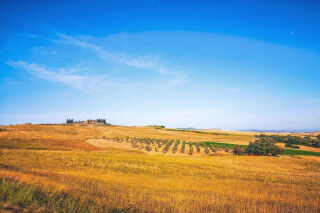
This cherished valley stretches for over 200 kilometers, from the sparkling shores of Lake Como—at just 200 meters above sea level—to the majestic heights of Piz Bernina at 4,000 meters. This extraordinary elevation range creates dramatic contrasts: sun-drenched vineyards, alpine forests, and snow-capped peaks, all within a single glance. Valtellina’s unique microclimate is crafted by nature itself—the protective arms of the Rhaetian Alps keep away northern winds, while the Orobic (Bergamo) Alps shield the land from southern humidity. The cool, drying breezes from Lake Como further perfect the environment, fostering the growth of world-class wines and gourmet specialties that have brought Valtellina international acclaim.
The roots of Valtellina’s culinary traditions reach back thousands of years. Ancient trade routes once crisscrossed its slopes, bringing together Italian and Swiss influences—a legacy still found in the valley’s rustic flavors and time-honored food techniques. To fully experience this wealth, we joined the immersive Taste the Alps tour, curated by the Distretto Agroalimentare di Qualità della Valtellina. From family-run dairies to age-old salumerias, our journey revealed a living tapestry of tradition, innovation, and passion—a feast for the senses and soul. Prepare to awaken your appetite!
Buckwheat: The Ancient Grain that Defines Valtellina’s Cuisine
One of Valtellina’s proudest distinctions lies in its use of buckwheat (grano saraceno), a humble yet powerful ingredient at the core of the valley’s most iconic dishes. Unlike most of Italy, Valtellina celebrates a traditional dark bread made primarily from buckwheat—an ingredient that is, surprisingly, not a wheat at all. Buckwheat is a hearty, gluten-free plant, transformed into a deeply flavorful flour by ancient grinding methods, giving birth to a spectrum of beloved recipes.
The scenic town of Teglio is considered the buckwheat capital of Lombardy, especially enchanting in May when its fields erupt in a sea of delicate white blossoms. Historically, buckwheat filled the summer lull after the winter harvest of rye, potatoes, and barley, thriving in harsh climates and resisting pests naturally. Since the 1600s, this crop has nourished the region, even as modern times saw its cultivation dwindle—today, precious buckwheat plots survive mainly between Teglio, Vervio, and Postalesio.
This tradition is so valued that Slow Food has enshrined Valtellina buckwheat in its Ark of Taste, recognizing it as a vital part of Italy’s endangered gastronomic heritage. Once considered rustic "cucina povera," buckwheat has risen to culinary fame. Don’t miss black polenta—a nourishing mix of buckwheat and corn flour, velvety when enriched with butter and cheese as Polenta Taragna. For a touch of local street food, try crisp, cheesy Sciatt fritters or delicate Chisciöl (mini buckwheat focaccia with Casera cheese).
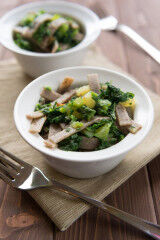
But the undisputed star is Pizzoccheri: hearty tagliatelle crafted from buckwheat and wheat flour, tossed with potatoes, cabbage, and lavishly coated in golden butter and ribbons of Scimudin, Casera, or Bitto cheese. These flavors evoke the warmth and resilience of the Valtellina people, inviting every visitor to linger and savor. For more inspiration, browse our Recipe Index.
Chiuro: The Gateway to Valtellina’s Gourmet Traditions
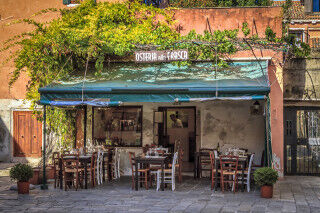
Our flavorful journey began in Chiuro, a picturesque village renowned for its deep-rooted wine and food heritage. Here stands Ristorante San Carlo, a culinary institution lovingly stewarded by the Radaelli family for six generations. The menu is a celebration of Valtellina’s bounty: start with Salted Venison Carpaccio with Pistachios and Raspberries—a delicate interplay of mountain flavors—followed by luscious Bresaola and Cheese Bundles that melt on your tongue.
After feasting, descend into the restaurant’s labyrinthine 17th-century cellar, where hundreds of Italian and international wine labels are sheltered beneath stone arches and soft lights. This enchanting space invites you to discover the region’s wine treasures, each bottle echoing the story of Valtellina’s vineyards.
Mountain Milk: The White Gold of Valtellina
In Valtellina, milk isn’t just an ingredient—it’s the essence of the land itself. The region’s prized mountain milk is produced by herds grazing on the lush, high-altitude pastures, their diet of wild alpine forage imparting unparalleled flavor and nutrition. So special is this milk that it bears the distinguished “Mountain Product” designation, a mark of purity and authenticity.
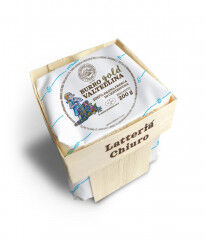
What sets Valtellina’s dairy apart is the deep-rooted tradition of cooperation among local farmers. Given the valley’s vast and sometimes remote terrain, collaboration became the key to success. The pioneering Latteria Sociale di Chiuro, founded in 1957, was the first cooperative in the region, uniting around 20 farm families—many now practicing organic agriculture. Its “outlet store” offers an immersive dairy experience: taste fresh Alpyò yogurt flavored with hazelnuts, chestnuts, or local Il Sentiero jams, and support inclusive projects that help disadvantaged people re-enter the workforce.
From Pasture to Plate: The World of Valtellina Cheese
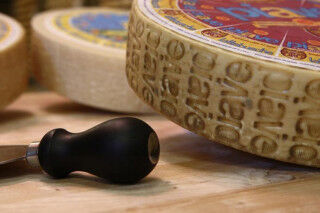
The cheeses of Valtellina are legendary—each wheel and wedge a story of alpine pastures and artisanal skill. Tasting local cheese, you’ll notice the unmistakable aroma of wild herbs, hay, and flowers, echoing the meadows where the cows graze. Begin with Scimudin, a fresh, pillowy-soft “entry cheese” aged for just ten days, once traditionally made with goat’s milk in Bormio but today often crafted from cow’s or mixed milk.
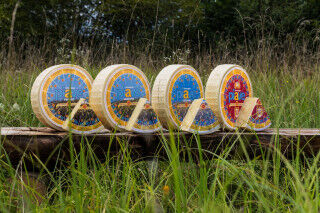
Climb the cheese ladder to Casera DOP, a semi-aged marvel with a delicate yet complex profile, essential in dishes like Sciatt and Pizzoccheri. Made from partially skimmed milk sourced exclusively from the nearly-lost Alpine Brown Cow, Casera is a winter staple, its origins tied to the city of Sondrio. In the summer months, the spotlight turns to Bitto, an alpine cheese born in high-altitude pastures following ancient Celtic traditions—sometimes with a touch of goat’s milk for extra character. Bitto must be aged at least 70 days in mountain casere (cheese huts), developing complex flavors that delight the palate.
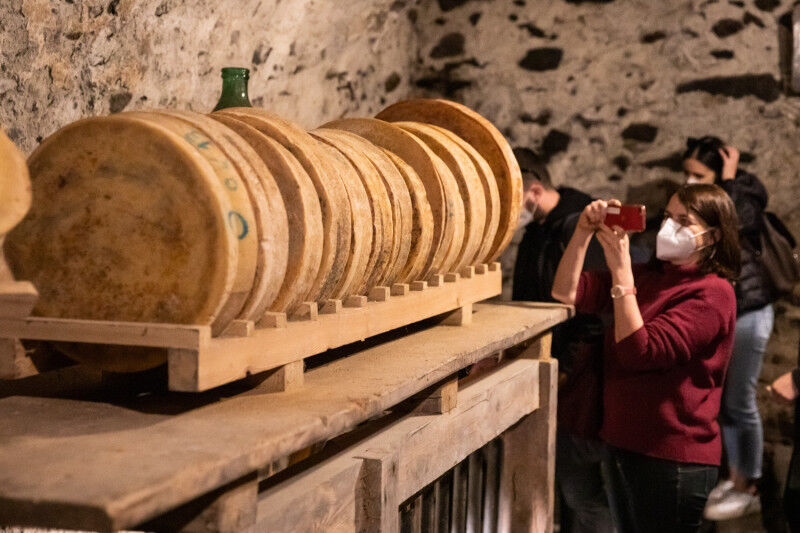
If you crave a true cheese adventure, head to Ciapponi in Morbegno, the ultimate temple of Bitto. Their cellars, established in 1883, showcase Bitto rounds aged up to ten years—each bite a lesson in patience and excellence. For a modern touch, visit the Latteria Sociale della Valtellina in Delebio, a cooperative of 110 dairies upholding rigorous standards of quality, animal welfare, and traceability. Their exceptional cheeses are cherished by home cooks and starred chefs like Andrea Berton and the kitchens of Pasticceria Marchesi.
Bresaola IGP: Valtellina’s Legendary Lean Cured Meat
No visit is complete without savoring Bresaola della Valtellina IGP, the valley’s most famous air-cured beef. Praised for its deep red hue, tender texture, and low fat content, Bresaola is both a gourmet delight and a healthy choice. The region’s dry, windy climate allows for minimal salting and a natural curing process, which lasts just 30–60 days but yields rich, nuanced flavors.
Only the finest beef cuts—hip rounds, beef shoulder, topside, flank, and upper thigh—are selected, from pasture-raised cattle aged 18 months to 4 years. The artisans’ skill, not the precise origin of the meat, makes Bresaola truly unique. While still mostly enjoyed in Italy, it is increasingly recognized abroad. According to a recent DOXA survey, 8 out of 10 Italians know and love Bresaola IGP—making it the undisputed ambassador of Valtellina’s cuisine.
To celebrate this heritage, the region has launched “Destinazione Bresaola”: ten unique sandwiches, each paired with a local trekking path, blending adventure with authentic flavor. Explore them for a taste of Valtellina’s culinary landscape!
Al Fresco Dining: Le Case dei Baff Farmhouse
For an immersive farm-to-table experience, visit Le Case dei Baff in Masino, nestled near the banks of the Adda River. Managed by the dedicated Cerasa family, this farmhouse-restaurant celebrates 20 years of local, seasonal, and sustainable cuisine. Their kitchen transforms homegrown cheeses, meats, vegetables, fruits, and wines into mouthwatering dishes that embody the true spirit of Valtellina.
Guests can linger longer in one of the charming rooms and sample the farm’s own Bresaola, prized for its lean, spicy, and delicately aromatic profile. Dining here is not just a meal—it’s an experience that captures the flavor and warmth of the valley itself.
Valtellina Apples IGP: A Crisp, Aromatic Finale
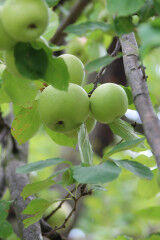
End your Valtellina feast with a bite of its celebrated Valtellina Apples IGP, renowned for their fresh aroma and satisfying crunch. The unique combination of dry climate, high latitude, and dramatic day-night temperature swings creates perfect conditions for apples bursting with flavor. Popular varieties include Stark Delicious, Golden Delicious, Gala, and Fuji.
Behind this bounty is the Melavi cooperative, uniting 300 members and harvesting over 20,000 tons of apples each season (August to mid-October). Melavi transforms these apples into nectars, juices, and innovative snacks like the Rockit—a miniature apple, bred in New Zealand and adored for its portability and big flavor. Small in size, but mighty in taste, Rockit is the perfect companion for mountain adventures and healthy snacking on the go.
Let Valtellina enchant you with its vibrant history, breathtaking nature, and unforgettable tastes. Stay connected with Mamablip’s weekly newsletter for travel tips, recipes, and the latest from the heart of Italian food and wine culture.