Cork: The Strategic Eco-Material
What makes cork such an eco-friendly choice? Let's unravel the environmental benefits and the fascinating Italian craftsmanship behind cork wine stoppers. From forest to bottle, cork's journey is more sustainable and impactful than you might expect!
In this article, we’ll explore:
- The entire cork production journey
- The art, timing, and spectacle of the cork harvest
- How cork planks are expertly selected and cut
- What defines a top-quality cork
- The impressive climate benefits of cork oak forests
- The reasons cork is a truly sustainable resource
- Key facts about the Mediterranean cork industry
- Surprising uses for cork beyond wine bottles
The Cork Oak: Mediterranean Marvel
The Cork Oak (Quercus suber L.) is a resilient, evergreen tree native to the central-western Mediterranean Basin. In Italy, these forests are gems found in Sardinia, Sicily, Calabria, Lazio, and Tuscany. Each region brings its own rich history and biodiversity, making these landscapes not just breathtaking but vital for the environment and local heritage.
The Cork Production Journey: From Tree to Table
The majestic Cork Oak can live for several centuries, sometimes reaching 20 meters tall. Its distinctive twisted trunk and evolving bark, which thickens and fissures with age, are the source of this valuable material. The longevity of these trees means each one can contribute to sustainable cork production for generations, reinforcing the importance of preservation and careful management.
The First Harvest: A Waiting Game for Quality
Cultivators patiently wait for the tree to reach a 60cm diameter before removing the first layer of cork, known as sugherone (male cork). The more valuable sughero gentile (female cork) can only be harvested after another 9–10 years. This means a tree may need up to 30 years before its first high-quality cork is harvested. This slow, mindful approach exemplifies sustainable agriculture, ensuring healthy forests and premium cork for future generations.
Timing the Harvest for Sustainability
The cork harvest occurs from May through August, during the tree’s succhio phase, when the bark naturally separates from the trunk. Harvesters must be meticulous to avoid damaging the delicate phellogen—the layer responsible for bark regeneration. Protecting this layer ensures the tree’s continued vitality and ability to produce cork for decades to come.
Cork’s Historical Legacy: Dom Pérignon and the French Spark
Did you know that legendary winemaker Dom Pérignon pioneered the use of cork stoppers in wine? This innovation forever changed how wines are preserved and enjoyed, setting a global standard for quality and tradition.
Long-Term Forest Management
A single cork oak can be harvested about 15 times throughout its lifespan—amounting to roughly 150 years of productive life! Each cycle supports not only the environment but also rural communities who depend on cork for their livelihoods.
The Cork Harvest & Seasoning: An Unforgettable Ritual
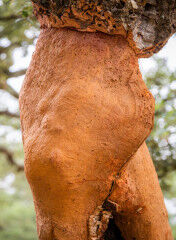
Witnessing the cork harvest is a visually striking experience. After debarking, the trees stand bare, their smooth red trunks exposed like natural sculptures. Each harvest leaves unique, visible marks, creating a living record of the forest’s cycle.
Gallura, Sardinia: The Heart of Italian Cork
Visit the Calangianus area of Sardinia’s Gallura region for a magical firsthand look at cork harvesting. Supported by organizations like APCOR (Portuguese Cork Association) and Italy’s ASSOIMBALLAGGI, this region combines ancient techniques with stunning natural beauty—think granite boulders nestled among oak trees in a prehistoric landscape. It’s an unforgettable journey into the soul of sustainable agriculture.
Celebrating Women in Cork and Wine
As we discuss cork, let's not forget the women shaping Italy’s wine industry. Discover how they’re breaking barriers and bringing new perspectives in this traditionally male-dominated field. Read more about inclusivity in wine here.
The Art of Seasoning Cork
After harvest, cork planks rest outdoors for at least six months. This “seasoning” period makes the material more elastic and durable. Following this natural rest, the planks are boiled, further improving their flexibility and quality before they're transformed into stoppers.
Selection and Cutting: The Science of the Perfect Cork
A Nose for Quality
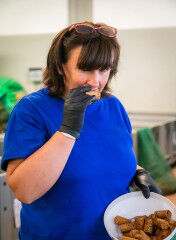
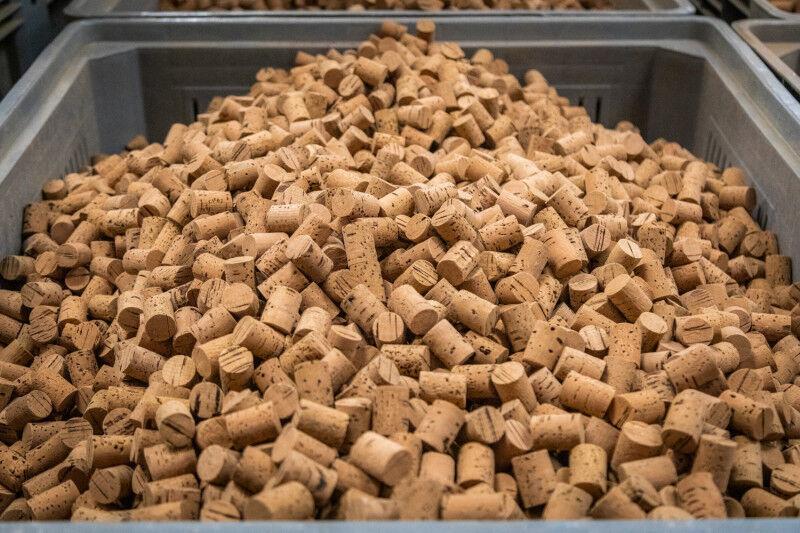
Each plank of cork is rigorously tested for quality, primarily through scent. Specialized testers—true experts with a keen sense of smell—identify defects long before the cork enters the wine world. Only planks passing this test are cut into strips and shaped into the iconic cylindrical corks.
Zero Waste: Agglomerated Corks
The offcuts from this process are not wasted. Instead, the leftover granules are compressed to create agglomerated corks, maximizing yield and sustainability throughout production.
Final Steps: Perfection in Every Stopper
After shaping, corks undergo another round of selection, washing, and branding with food-grade or fire-branded inks. Finally, they’re packaged in bags filled with SO₂ (sulfur dioxide) to prevent microbial growth—an essential step to keep your wine pure and flavorful.
Top-Quality Sustainable Corks: The Human Touch
Women’s Expertise in Cork Quality Control
At the highest levels, cork quality is ensured by skilled testers—often women—who can detect subtle defects such as TCA (the infamous “cork taint”), mustiness, or mold. Their expertise is crucial in protecting the integrity and taste of your wine.
Cheese and Wine: A Perfect Pairing
Great wine deserves great company. Italy’s artisanal cheeses, like those crafted by Andrea Magi, make the perfect match for wine sealed under a natural cork—celebrating both culinary tradition and sustainability.
How Much CO₂ Do Cork Trees Absorb? A Climate Champion
Cork forests are true carbon sinks. For every ton of cork harvested, these forests capture an impressive 73 tons of CO₂ from the atmosphere, helping to mitigate climate change while providing valuable habitat for diverse species.
Biodiversity Hotspots and Certified Quality
Cork forests are recognized as one of the world’s 36 critical biodiversity hotspots. They support a multitude of plant and animal species, and certifications like Corkmark and FSC® guarantee that your cork comes from responsibly managed sources.
Eco-Conscious Eating
Sustainability isn’t limited to materials—Italy’s culinary culture embraces it, too. Curious about guilt-free holiday treats? Discover sustainable panettones here.
What Makes Cork So Sustainable?
Ancient Roots: Cork Across Millennia
Cork’s sustainable legacy stretches back to the days of the Ancient Egyptians and Babylonians, who used it for storage, insulation, and decoration. In Sardinia, cork remnants have even been found in the mysterious nuraghi—prehistoric stone towers that dot the landscape.
Continuous Regeneration and Skilled Harvesting
The cork oak’s bark grows like rings in a tree, continually regenerating thanks to the expert work of bucadori—specialized harvesters who make precise incisions to remove bark without harming the tree. Their knowledge, passed down through generations, safeguards both the forest and the craft.
Tradition Meets Livelihood
Bucadori are among the best-paid agricultural workers. Their work is vital to both the local economy and the fight against Mediterranean desertification, making their expertise a cornerstone of rural life.
Perfect Pairings: Bread and Wine
No Italian wine experience is complete without traditional breads. Explore the country’s spectacular breadbasket, from focaccia and pizza to piadine, and enhance your next wine evening with sustainable, artisanal flavors.
Key Facts: The Mediterranean Cork Industry
Eco-Friendly Innovation
Companies that embrace eco-friendly cork production not only reduce energy use and environmental impact but also build lasting trust with consumers. Their products last longer and deliver superior experiences—an all-around win.
Global Production Hubs
The western Mediterranean Basin produces around 200,000 tons of cork annually, with Portugal leading global output. Italy contributes 6,000 tons each year, with 90% coming from the scenic Gallura area in northern Sardinia—particularly between Tempio Pausania and Calangianus. In Spain, the province of Huelva plays a similar key role.
Economic Impact and Community
Over 250 companies—from major manufacturers to small artisans—process 70% of all cork used for wine stoppers in Sardinia, employing about 6,000 people. This industry is vital to the regional economy, supporting jobs not just in production but also in logistics and transportation.
Beyond Bottles: Cork's Surprising Uses
While cork is most famous for sealing wine bottles, its lightweight and heat-resistant properties make it invaluable in unexpected fields like aerospace. Both NASA and the European Space Agency use cork for spacecraft insulation, proving this ancient material remains at the cutting edge of modern technology.
For more on Italian wine, food, and sustainable living, sign up for the Mamablip newsletter—your go-to source for delicious recipes, inspiring stories, and the latest in eco-friendly Italian lifestyle!