A Timeless Journey: The Story of Sausage, From Ancient Tables to Italian Delicacies
Discovering Bra Sausage: A Piedmontese Treasure Steeped in Tradition
Sausage is celebrated as one of humanity’s earliest forms of preserved meat, cherished across continents and cultures for centuries.
Throughout the ages, every country with a tradition of raising pigs has created its own unique take on sausage. Yet, Italy’s inventive spirit is evident in its rich variety, embracing not just pork but also beef, veal, lamb, horse, donkey, wild boar, and venison. These meats reflect the bounty of local landscapes and hunting traditions that have shaped Italian food culture over generations.
While fresher sausages dominate the Italian table, some are patiently aged, a practice that demands meticulous care—especially when non-pork meats are involved. The veal-based sausage from Bra, in the heart of Piedmont, is a rare gem in this landscape, a testament to both local ingenuity and respect for tradition. Its unique character and flavor have earned it a devoted following among food lovers eager to taste a slice of Italian history.
The Essence of Salsiccia: Crafting Italy’s Iconic Sausage
Italian salsiccia is more than just sausage; it is a culinary heritage composed of fresh pork, enriched with bacon trimmings, jowl fat, and select cuts from the animal’s shoulder and neck.
Traditionally, nothing is wasted, and sometimes even more prized cuts find their way into the blend, capturing the resourcefulness of rural Italian communities.
This age-old recipe reflects the rhythms of the countryside, where families would gather to make sausages after the autumn pig slaughter—an event that united neighbors and kin in a ritual as much social as it was practical. Each region’s salsiccia carries the signature of its people, climate, and land, making it a delicious tribute to the diversity of Italy’s terroir.
A Colorful Map of Flavor: Exploring the Many Types of Italian Sausage
Northern Italy is known for both cooked and fresh sausages, often tinged with spices like black pepper, cinnamon, white wine, and garlic.
Southern Italy embraces bolder flavors, with sausages brimming with fennel seeds, garlic, and fiery chili peppers. Local specialties sometimes include sun-dried tomatoes or chunks of Caciocavallo cheese, a nod to the region’s cheese-making heritage.
The rolling hills of Tuscany and Umbria in central Italy favor short-aged, dried sausages, often savored raw for their vivid flavors. Some areas are famed for robust liver sausages, offering intense aromas and tastes that echo ancient peasant traditions.
These sausages are more than ingredients—they are edible stories, each bite revealing the seasons, customs, and landscapes of their origins.
The Language of Sausage: Regional Names and Stories Behind Italy’s Charcuterie
Regional craftsmanship is the soul of Italy’s sausages, with each area stamping its name and personality onto its cured meats. Even when the same name is used across the peninsula, the sausage itself transforms, embodying local ingredients, techniques, and culinary philosophy.
Take Luganiga, for example: its roots lie in Lucania, but travel north to Monza or Treviso, and you’ll encounter a sausage bearing the same name yet wonderfully unique in taste and texture. This regional diversity is the result of centuries of adaptation, migration, and exchange among Italy’s communities.
Italy offers an endless array of sausages to discover:
From salamitt di verz—delicate Brianza links tied with twine—to probusti from Trentino’s Rovereto, or the bold, spicy dried sausages of Secondigliano and Campania, each specialty brings its own tale. You’ll also find hand-chopped punta 'e curtiello from Campania, the slender Neapolitan cervellatine, and the rich, subtly spiced cervellatine sausages from Lombardy.
Every bite is a journey through Italy’s patchwork of traditions, shaped by the people, their land, and their unwavering love for good food.
By Lele Gobbi
Traditional Cooking Techniques: Bringing Italian Sausage to Life
Across Italy, sausages are transformed into hearty meals using time-honored methods: pan-roasting, oven-baking, grilling over open flames, or slow stewing. These techniques not only enhance the flavor but evoke memories of communal gatherings and family feasts.
Sausages often appear alongside local vegetables or as stars in regionally celebrated dishes—such as Lombardy’s cassoeula, a warming winter stew that brings together pork, sausage, and cabbage in a slow-cooked embrace, symbolizing abundance and comfort.
Boiling sausages is rare, with notable exceptions like Cotechino, a festive staple in Northern Italy, especially around New Year’s. No matter the method, it’s essential to pierce sausages before cooking. This allows steam and fat to escape, ensuring even cooking and preserving the sausage’s succulent texture—an art passed down from grandmothers’ kitchens to today’s home cooks.
This initial stewing step releases extra fat, allowing the sausage to achieve the perfect balance of juiciness and flavor. As the liquid evaporates, the sausage develops a golden crust and deep aroma—hallmarks of Italian home cooking.
In many regions, finely ground or delicately spiced sausages—like the Lombard Luganiga or Salamitt di verz—are simmered alongside robust greens such as Savoy cabbage or spinach. This pairing not only fills the kitchen with tantalizing scents but also reflects a tradition of using the land’s seasonal bounty.
Sausages made with larger meat cuts and subtle seasonings are best enjoyed grilled or quickly sautéed with vegetables like broccoli rabe or turnip greens, bringing out their rustic charm.
Sausage Selection: Which Varieties Shine in Classic Recipes?
Start your culinary adventure with Tuscan sausages or the Neapolitan punta 'e curtiello. Italian sausage’s versatility allows it to shine in rich tomato sauces, ragù for pasta or polenta, or as a tasty addition to risotto in the north and short pasta dishes in the south. Whether browned, crumbled, or sliced, sausage remains a beloved ingredient that bridges Italy’s diverse culinary landscapes, always inviting you to the table for another bite.
Bra Beef Sausage: An Uncommon Delight in the Italian and European Landscape
Italy stands almost alone in Europe for its iconic beef-based sausage, produced exclusively in the charming town of Bra, nestled in the Cuneo province of Piedmont.
This unique creation is a testament to the region’s adaptability and ingenuity, with a recipe that has been carefully guarded and passed down through generations. Bra sausage is not only a culinary specialty but also a symbol of the local community’s pride and resourcefulness, born from a blend of cultural traditions and historical necessity.
The Distinctive Qualities of Bra Sausage: From Pasture to Plate
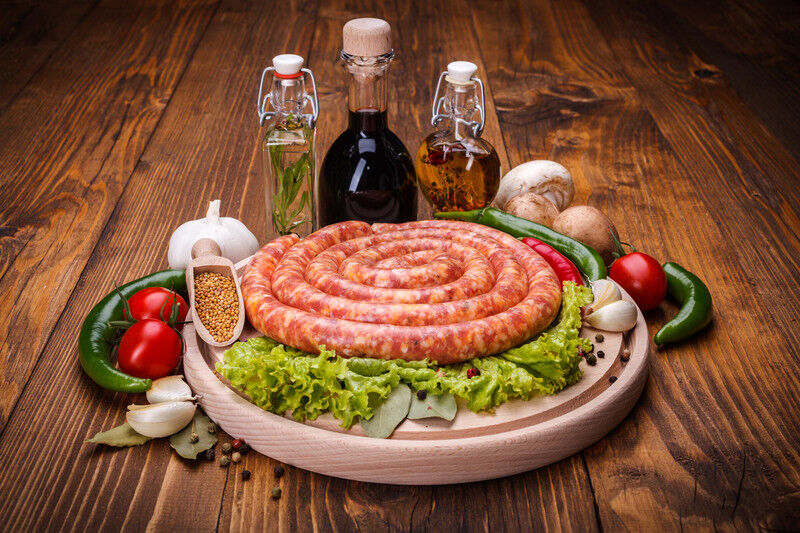
The magic of Bra sausage lies in its blend: 70-80% finely ground veal combined with 20-30% pork fat, a formula refined over time to ensure both flavor and food safety. While beef fat was once traditional, pork fat’s longer shelf life made it the preferred choice.
A delicate seasoning of sea salt, white pepper, nutmeg, cinnamon, and mace is enhanced by the creativity of local producers, who might add garlic, fennel, leeks, or shavings of Parmesan, seasoned Robiola, or Toma cheese from the Langhe. Some even enrich the mix with white wine or sparkling Spumante, especially during festive times.
To preserve its signature softness and moisture, the sausage mixture is carefully stuffed into small mutton casings—a practice that honors the region’s artisanal roots and ensures that each bite is a celebration of Piedmont’s rich culinary heritage.
Savoring Bra Sausage: The Ritual of Enjoyment
This prized Piedmontese delicacy is best enjoyed fresh, ideally within hours of preparation, when its pale pink hue and delicate aroma are at their peak. As time passes, the color deepens and some of its subtlety is lost—so locals know to savor it while it’s young.
Traditionally served raw, Bra sausage is often presented as a classic antipasto in the Cuneo region, sometimes simply spread on rustic bread or paired with crisp breadsticks. It can also be lightly grilled, but the raw version remains the true hallmark of the area’s culinary culture—a dish that connects diners to centuries of tradition, local storytelling, and the enduring spirit of Piedmont.
Why Bra Sausage Is Made from Beef: A Tale of Culture, Community, and Law
The unique story of Bra sausage is woven with the history of the Jewish community in nearby Cherasco. Adhering to religious laws that forbade pork, local butchers developed a beef-based sausage to meet the community’s needs. This led to a royal decree, inspired by the Albertine Statute, which permitted the exclusive production of beef sausage in Bra, while prohibiting its creation elsewhere in Italy.
This special legal status not only protected the cultural identity of the community but also fostered collaboration and culinary innovation, creating a tradition that continues to enrich the region’s gastronomic tapestry today.
Bra Sausage at the Table: Culinary Uses and Pairings
Bra sausage brings unmistakable flavor to local dishes, whether enjoyed on fresh bread or Piedmont’s signature breadsticks. Its delicate, savory profile also makes it a wonderful addition to pasta sauces—especially with Tajarin (egg tagliolini), pillowy gnocchi, or alongside creamy polenta.
This sausage is as versatile as it is delicious, gracing the tables of family gatherings and festive events alike.
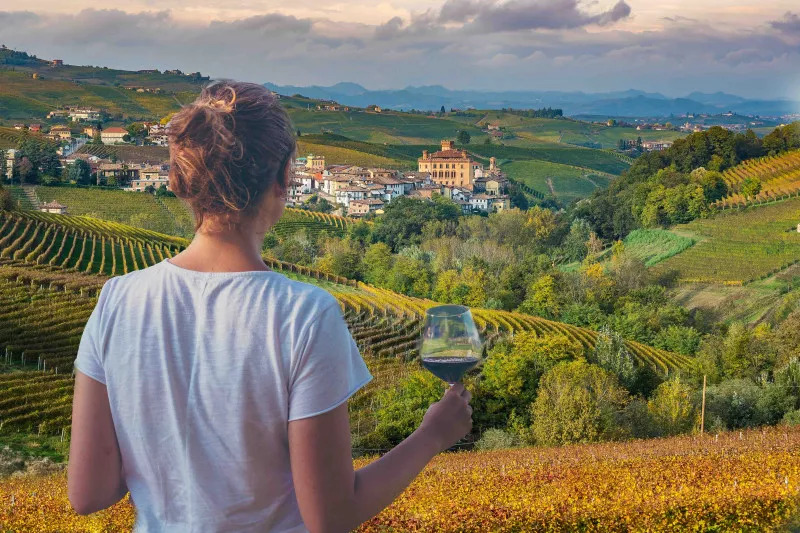
Bra Sausage and the Wines of Piedmont: Perfect Pairings from the Vineyards
Bra sausage’s delicate yet complex flavors pair beautifully with the region’s celebrated wines. For an authentic Piedmontese experience, try these classic matches:
- Roero Arneis DOCG (a crisp, dry white wine)
- Alta Langa DOCG (refined sparkling wine crafted in the traditional method)
- Dolcetto d'Alba DOC (a vibrant, dry red wine)
You may also enjoy exploring:
all.sign in to leave a review