Umbria’s Culinary Soul: Exploring Ancient Flavors and Traditions in Italy’s Verdant Heartland
Discovering the Treasures of Umbrian Gastronomy: Local Specialties Rooted in Centuries of Tradition
The cuisine and wines of Umbria are a tapestry woven from the land’s storied past and blessed geography. Signature products like the bold Sagrantino and crisp Trebbiano Spoletino wines hail from ancient vineyards, cultivated since Etruscan times. The region’s extra virgin olive oil, produced from centuries-old groves, is the backbone of every local dish, imparting a peppery, fruity finish. The crumbly, savory Ricotta Salata di Norcia and the elusive, aromatic truffle are celebrated in both home kitchens and gourmet festivals, while the tiny, nutrient-rich Castelluccio Lentil has sustained generations of Umbrians. But these are just a few gems—behind each product lies a story of artisanal skill, family heritage, and a deep reverence for the land. In every bite and sip, you taste centuries of rural tradition passed down through the ages.
Umbria: A Sanctuary of Green and the Cradle of Italian Artistic and Spiritual Heritage
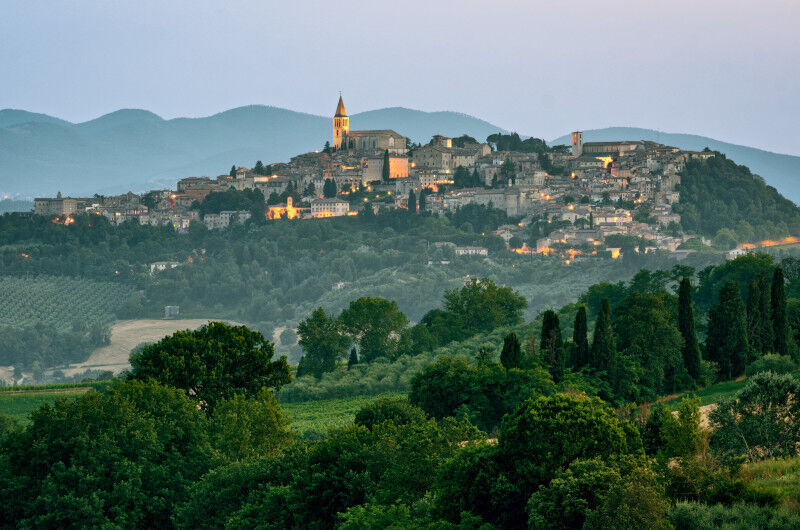
Known as the Green Heart of Italy, Umbria is a region where rolling hills, oak forests, and endless vineyards blend with the spiritual legacy of saints and the creative genius of artists like Perugino and Giotto. Its landscape has inspired countless masterpieces and fostered a culture of reverence for both nature and beauty. Throughout history, religious pilgrims and wandering poets have found solace in its valleys, while ancient towns such as Assisi and Spoleto stand as living testaments to a harmonious blend of art, architecture, and rural life. The region’s lush scenery, marked by olive groves and vines, is not just a backdrop but a vital ingredient in the rich mosaic of its culinary and cultural identity. The tradition of feasting after harvests and religious festivals—often with spicy sausages, fragrant breads, and robust wines—continues to animate Umbrian villages today.
Umbrian Landscapes: Fertile Hills and Valleys Shaping a Distinctive Culinary Culture
Umbria is the only Italian region without a coastline, a fact that has shaped its people and their food. Its gentle hills and lush valleys are a paradise for agriculture, where grapevines and olive trees thrive in mineral-rich soils. Local traditions have always revolved around the rhythms of farming and foraging, from grape harvests to wild mushroom hunts. Historic villages—each with their own unique recipes and culinary customs—dot the countryside. In Montefalco, families toast with ruby-red Sagrantino, while in rural kitchens, grandmothers teach grandchildren the secrets of making spicy lentil and sausage stews. The bond between land and table is unbreakable here, giving rise to a food culture that’s both rustic and refined, rooted in the natural bounty of Umbria’s ancient soil.
From Ancient Vines to Modern Excellence: The Story of Umbrian Wines
Umbria’s wine legacy dates to the Etruscans, whose innovative winemaking techniques have echoed through the centuries. Medieval documents reveal that even celebrated painter Pinturicchio requested his wages in the form of Orvieto wine, a testament to the region’s ancient oenological prestige. The modern renaissance of Umbrian wine began in the 1960s, when pioneers like Giorgio Lungarotti transformed the vineyards of Torgiano, earning the region’s first DOC in 1968. The crowning achievement came with the DOCG for Torgiano Rosso Riserva in 1990, propelling Umbrian wines into the international spotlight. Today, exploring the wine cellars of Umbria means tasting history itself, from the spice-laden reds to the vibrant whites that have graced local tables for centuries. Don’t forget to look for family-run wineries, where age-old traditions meet passionate innovation—and where you might discover a spicy, limited-edition vintage.
Signature Grapes and Legendary Wines: The Unique Viticulture of Umbria
The story of the iconic Sagrantino grape is inseparable from Montefalco, where the Caprai family led a renaissance in the 1970s. This ancient grape, once used in sweet sacramental wines, now produces powerful, tannic reds with wild berry, spice, and earthy notes—a true flagship of the region, often enjoyed alongside aged pecorino or spicy sausages. The revival of Trebbiano Spoletino has brought new energy to Umbrian whites, offering floral, mineral-laced wines that pair beautifully with lake fish or truffled pasta.
In the southern reaches, around Orvieto, the vineyards yield distinctive blends of Grechetto and Procanico, giving rise to both dry and sweet wines enjoyed since antiquity. The Trasimeno area is now known for its unique Gamay del Trasimeno, producing lively, ruby-colored wines that pair perfectly with the region’s spicier fare. Each glass is a journey through time, reflecting not only the soil but the festive traditions of Umbrian village life—think grape-stomping festivals, harvest feasts, and communal tastings under the autumn stars.
The Rich Bounty of the Umbrian Countryside: Ingredients and Dishes That Tell a Story
Umbria’s cuisine is a living history lesson, rooted in centuries of hard work, celebration, and a deep respect for nature. The region’s best-loved ingredients—meats, game, freshwater fish, heirloom beans, and vegetables—are the result of long-standing agricultural traditions and the passing down of recipes from one generation to the next. To truly understand Umbrian food, you must taste the stories behind every dish.
Extra Virgin Olive Oil: The Liquid Gold of the Hills
Umbrian extra virgin olive oil is legendary, pressed from varieties like Moraiolo, Frantoiano, Leccino, and the prized Dolce Agogia near Lake Trasimeno. For centuries, this oil has flavored everything from simple bruschetta to complex game stews and is celebrated each autumn with lively festivals.
Norcineria: The Ancient Art of Pork Butchery
The town of Norcia has given its name to norcineria, the craft of cured pork, dating back to Roman times. Prosciutto di Norcia, coppa, capocollo, ventresca, and spicy salami are served in festive spreads, often with a dash of wild fennel or black pepper, especially during winter feasts.
Sheep’s Milk Cheeses: From Pasture to Table
Shepherding is a pillar of rural life, yielding robust pecorino, the famous ricotta salata di Norcia, soft raveggiolo, and delicate caciotte. Cheese is at the heart of many festive dishes and is frequently paired with spicy local jams for a sweet-savory treat.
Truffles: Precious Jewels of the Umbrian Soil
Umbrian forests are a truffle hunter’s paradise. The rare white truffle, found near the upper Tiber valley and Orvieto, and the celebrated black truffle of Norcia and Spoleto flavor everything from handmade tagliatelle to creamy eggs. Truffle festivals are spicy, aromatic affairs that attract food lovers from around the world.
The Legendary Castelluccio Lentil and More
The tiny, quick-cooking Castelluccio lentil—grown on the scenic Sibillini plateau—has been a staple since Roman times, often featured in warming winter soups with a hint of chili. Trasimeno beans, Cannara red onions, the bitter rapi from Trasimeno, Colfiorito red potatoes, and Trevi black celery are just a few of the vegetables that add depth and spice to Umbrian meals.
More Typical Umbrian Dishes to Savor
- Torta al Testo: A rustic flatbread, sometimes spiced and stuffed with cured meats or greens.
- Strangozzi alla Spoletina: Hand-rolled pasta tossed with olive oil, garlic, chili, and ripe tomatoes.
- Pigeon alla ghiotta: Tender pigeon slow-cooked with herbs and black olives, a dish steeped in medieval tradition.
- Porchetta: Aromatic, herb-stuffed roasted pork, beloved at festivals and street fairs.
- Crescia: A savory, peppery bread often served with robust cheeses or spicy sausage.
- Fagiolina del Trasimeno: Tiny, ancient beans cooked with garlic, sage, and a drizzle of local olive oil for a zesty side.
- Ciaramicola: A festive, bright red cake for Easter, flavored with anise and crowned with a spicy-sweet meringue.
Each dish invites you to explore the spicy, savory, and sometimes sweet side of Umbrian tradition, making every meal a celebration of the land and its people.
Where to Indulge in Umbrian Excellence: Restaurants That Celebrate Local Flavors
- Il Capanno (Spoleto): Step into a rustic dining room where traditional recipes—like truffle-laced pasta and spicy wild boar—are elevated by a centuries-old wood-fired oven and an impressive local wine list.
- I Birbi (Perugia): Experience a modern twist on Umbrian classics, from fiery pork ragù to inventive vegetarian delights, all prepared with locally sourced ingredients.
- Rosso di Sera (San Feliciano): Feast on just-caught lake fish, heirloom beans, and seasonal produce with a view of Lake Trasimeno—each dish a tribute to Umbrian tradition with a hint of spice.
Why Every Food and Wine Lover Should Experience Umbria
What makes Umbria irresistible is its tapestry of valleys, mountains, and plateaus—each producing bold wines, fragrant oils, and dishes spiced with history. Seasonal festivals fill the air with the scent of grilled meats and truffles, while local fairs offer spicy cured sausages, robust cheeses, and sweet confections. The rhythm of the land is mirrored in every table, where ancient traditions are celebrated with every meal and every bottle. To visit Umbria is to step into a living feast—one that honors the past, embraces the present, and always leaves you hungry for more.
Keep Exploring the Flavors of Italy: