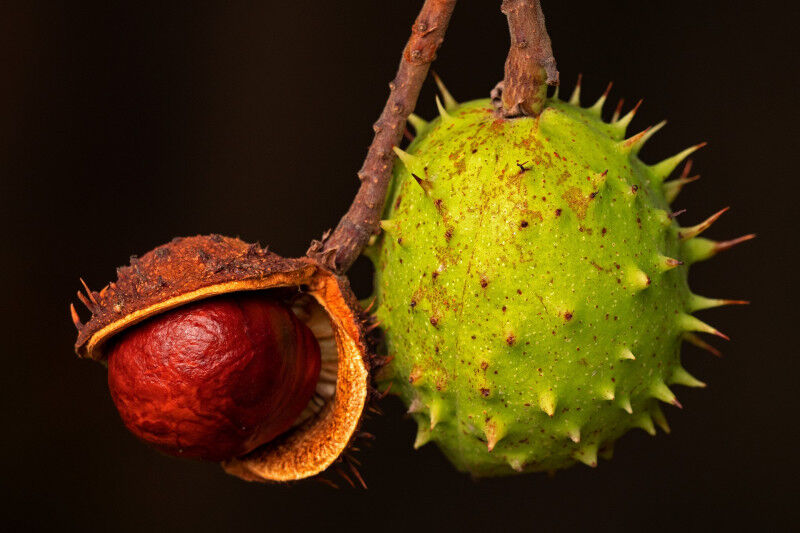
The story of the chestnut tree is deeply woven into the tapestry of Italian heritage, spanning thousands of years and stirring romance and nostalgia in every region. Revered since ancient times, Italian chestnuts are featured in historic texts, from the Bible to the epic poems of Homer. The Greeks even dubbed these sweet nuts "Jupiter’s acorns," a nod to their divine flavor and importance. Today, chestnuts remain a symbol of abundance and comfort, celebrated in countless local legends, traditional songs, and autumn feasts across Italy’s rolling hills and rustic villages.
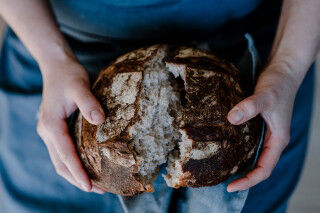
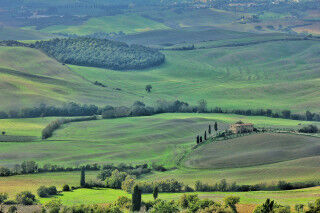
From the valleys of Tuscany to the forested slopes of the Apennines, the chestnut tree has thrived, blanketing the countryside between 300 and 1000 meters in elevation. For centuries, these sturdy trees were a lifeline, providing a steady source of sustenance when other crops failed. In fact, during the Middle Ages, chestnuts were so essential that they became known as "the bread of the poor"—ground into flour and baked into nourishing loaves. Even today, regional regulations and protected woodlands reflect the cherished status of chestnuts. Remarkably, the Gavinana Statutes of 1540 formalized the harvest, granting landowners exclusive rights to collect chestnuts each November, while also ensuring that the less fortunate could freely gather the leftovers. This tradition inspired a charming rural belief: every prickly chestnut husk is said to hide three nuts—one for the landowner, one for the farmer, and one for the needy—reminding us of the enduring spirit of Italian generosity and community.
To unlock their delicious potential, chestnuts must first be dried and milled—a process steeped in ritual and regional flair. In Tuscany, the art of drying takes place in the iconic metato, a rustic stone building filled with the smoky aroma of wood fires. Some metati are built anew for each harvest, while others, especially in the Garfagnana and Pistoia Apennines, are treasured family heirlooms—integral parts of the home where generations gather by the flickering hearth. Here, long autumn evenings are spent in good company, peeling chestnuts and preparing hearty dishes that bring families together, such as the beloved castagnaccio (chestnut cake) and necci (chestnut flour pancakes).
Achieving perfect chestnut flavor is an art in itself. Harvested chestnuts are carefully spread atop reed beds, suspended above glowing embers in the fireplace. These beds, crafted from close-set boards or reeds, ensure the chestnuts dry evenly, infusing them with a sweet, smoky character that is truly unforgettable. The Italian poet Giovanni Pascoli captured the magic of this moment in his verse: “a lonely metato where sweet wooden bread dries over a gentle fire: above the reed-bed, the chestnuts crackle, and the red flames burn in the darkness.” The result is a chestnut that bursts with deep flavor, perfect for grinding into rich, gluten-free flour or enjoying roasted by the handful on a crisp autumn evening.
Once perfectly dried, the chestnuts are husked—traditionally by hand, with a rhythmic beating that separates the golden nuts from their tough shells. These precious kernels are then stored in robust sacks or wooden vats, ready to be transformed into mouthwatering treats. While modern machines have streamlined the process, the romantic image of bustling metati and the smell of roasting chestnuts still lingers in Italy’s rural memory. Sadly, many traditional metato rooms have disappeared, their spaces repurposed or lost to time. But every fall, when the first chestnuts hit the market stalls and the air fills with their unmistakable aroma, Italians are reminded of the timeless pleasures and enduring traditions that make Italian chestnuts a true culinary treasure.