The old saying, "the sea is full of fish," once conjured images of endless abundance and natural bounty. Today, however, this phrase feels more like a nostalgic echo of the past than a reflection of reality. Our oceans, which once seemed inexhaustible, are now under unprecedented strain as marine life faces mounting threats from human activity. Schools of tuna, anchovies, sardines, and other beloved species that made up the tapestry of global seafood cuisine are rapidly declining, raising serious concerns about the future of oceanic biodiversity and our ability to enjoy these flavors for generations to come.
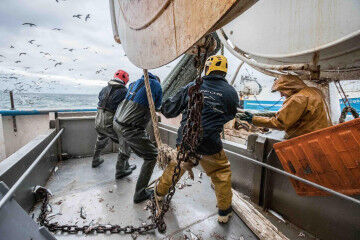
This urgent subject has recently returned to center stage thanks to the provocative Netflix documentary Seaspiracy. This eye-opening film takes viewers on a spellbinding global adventure, from the bustling Tokyo fish markets to the wild, windswept coasts of New Zealand and the vibrant coral reefs of the Pacific. It investigates the complex, often hidden, threats facing marine life, including overfishing, bycatch, habitat destruction, and the impact of industrial fishing fleets. While Seaspiracy succeeds in raising critical awareness, some of its more controversial claims—such as the prediction of "empty oceans by 2048"—have sparked debate among scientists. Nevertheless, the documentary underscores a crucial point: our choices as consumers matter deeply in shaping the fate of our oceans.
But making the right choices is far from simple. When faced with the daunting task of shopping for sustainable seafood, most consumers find themselves lost in a sea of unfamiliar terms and labels. How do you decipher the cryptic FAO zone numbers indicating the origin of your seafood? How do you know if your sea bass or mussels meet the minimum size requirements for responsible harvesting? Factor in the widespread problem of illegal, unreported, and unregulated fishing, and the challenge multiplies.
Thankfully, there are practical tools and resources to guide you. One of the most reliable is the Greenpeace Seafood Red List, which identifies species at risk of extinction and encourages consumers to avoid them. This list, developed by world-renowned environmental advocates, empowers shoppers to consciously steer clear of vulnerable species such as bluefin tuna or eel, helping to reduce demand and aid recovery.
Alternatively, look for the distinctive Marine Stewardship Council (MSC) blue label on seafood products at your local market. This internationally respected certification guarantees that the fish or shellfish was sourced from a fishery committed to sustainable practices and full traceability. When you see the MSC blue label on a package of Norwegian salmon or a tin of Alaskan pollock, you can feel confident that your purchase supports healthy oceans, thriving fisheries, and responsible stewardship.
AS TRANSPARENT AS TINNED TUNA: Real-World Examples of Responsible Seafood
To truly grasp the power of sustainable fishing, let’s take a deeper dive into inspiring real-world examples that are transforming the seafood industry.
Canned tuna has long been a staple in pantries from Rome to Rio, but it’s also been a lightning rod for debates about overfishing. Companies like Mare Aperto Foods, an innovative Italian brand born from the Spanish seafood giant Jealsa, are making waves by pledging to utilize 100% of the raw tuna they source. Every part—fillets, bones, trimmings, and even the nutritious oil—is used to minimize waste. For instance, tuna bones are sent to the cosmetics industry to extract valuable collagen, while other byproducts become ingredients for pet food or fertilizer. This pioneering "Zero Waste" philosophy is now extending to other species like mackerel and sardines, creating a holistic model for the future.
Another standout is Rio Mare, one of Italy’s most respected seafood brands. In collaboration with WWF, Rio Mare is revolutionizing the industry by investing both financial and human resources into sustainable fishing and ethical supply chains. Their partnership isn’t just about protecting fish stocks—it’s about safeguarding the rights and dignity of everyone involved, from fishermen casting their nets in the Ligurian Sea to workers in processing facilities in Genoa. By focusing on both environmental and social sustainability, Rio Mare and WWF are creating a transparent, traceable journey for every can of Rio Mare tuna that ends up in your kitchen.
When you savor a salad nicoise with responsibly-sourced tuna or whip up a quick pasta al tonno for a weeknight dinner, you’re enjoying more than just great flavor—you’re participating in a global movement toward ocean health and culinary joy.
MORE THAN JUST FILLETS: Whole Fish, Maximum Flavor, Minimal Waste
Buying sustainable seafood is just the beginning. What happens next—in your own kitchen—can be just as transformative. In recent years, top international chefs have championed the "nose-to-tail" approach to meat, making gourmet dishes from cuts once considered unworthy. Now, this philosophy is making waves in the seafood world, thanks to culinary pioneers like Josh Niland.
Niland’s acclaimed book, The Whole Fish Cookbook (published in Italy as Il Grande Libro del Pesce), is a revelation for seafood lovers. He encourages cooks to use every part of the fish—not just the prized fillets, but also the liver (for silky pâtés), scales (fried into golden crisps), heads (for deeply savory broths), and even eyes (which can be transformed into delicate sauces). This approach not only honors the animal but also unlocks a spectrum of flavors and textures rarely explored in traditional seafood cuisine.
Imagine crafting a stunning sea bream tartare using the cheeks and collar, or simmering shrimp shells to create a fragrant bisque. Every meal prepared this way becomes a celebration of culinary creativity, sustainability, and respect for the ocean’s gifts. The next time you shop for seafood, challenge yourself to go beyond the fillet—discover new recipes, experiment with new techniques, and turn every morsel into a delight.
Curious to explore even more mouthwatering ways to make your cooking sustainable and delicious? Dive into the world of Mamablip, where food writer Francesca Ciancio uncovers the secrets behind sustainable Italian Panettone—a beloved holiday dessert made with planet-friendly ingredients. Browse our growing library of Mamablip recipes for inspiration on how to cook with every part of your ingredients, reduce waste, and create unforgettable meals.
Don’t miss out! Sign up for the Mamablip newsletter to receive new articles, flavorful recipes, and exclusive Italian wine and food news straight to your inbox. Let your kitchen lead the way to a brighter, more flavorful, and more sustainable future—one dish at a time!