While Arezzo is famed for its rich wines and mouthwatering cuisine—think of the savory flavors of Chianina beef, the golden drizzle of local extra virgin olive oil, and the robust notes of Chianti wines—the city’s true spirit is deeply rooted in its vibrant history and the extraordinary people it has produced. Let’s indulge in a delightful detour through Arezzo's cultural heritage, where every stone and fresco tells a story that’s as delectable as its most traditional dishes.
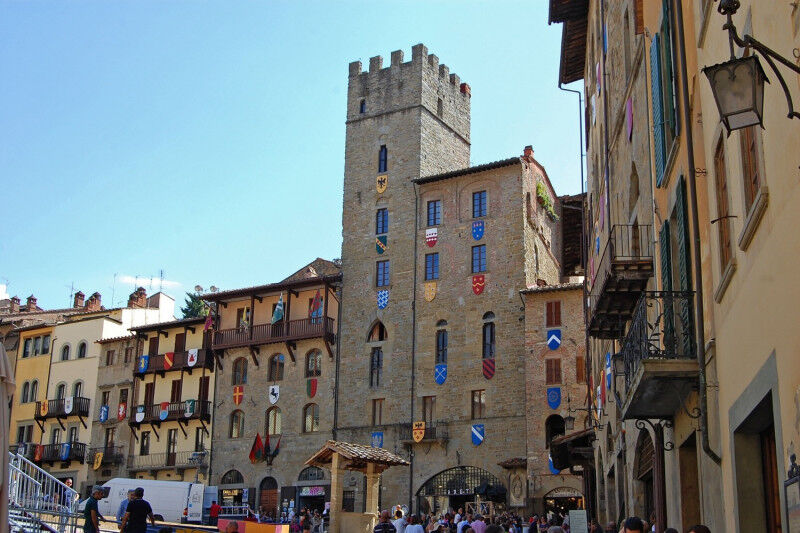
Arezzo began as a powerful Etruscan outpost, blossoming under both Etruscan and Roman rule (known then as Aretium). The city’s early prosperity was legendary, with influences visible in its imposing walls and ancient Piazza Grande. Although Arezzo suffered under the Goths after the fall of Rome in 476, it was reborn between the 8th and 10th centuries. Social, military, and architectural advancements transformed Arezzo into a fortified and prosperous comune. These very strengths drew the attention of the ambitious Florentines, who finally absorbed the city into their domain in the 1320s. Even today, you can sense this layered history when you stroll through Arezzo’s vibrant streets and bustling markets, perhaps sampling finocchiona salami or sipping a glass of Vinsanto in a rustic enoteca.
Despite its glorious achievements in art, literature, and architecture, Arezzo's autonomy was often under siege. From the powerful Medici to the House of Lorraine, external rulers imposed their will until Italian unification in 1870. Yet, the city’s resilient spirit never waned—each regime left its mark, enriching Arezzo’s tapestry of culture and tradition. This is a city where magnificent cathedrals and palazzi stand as silent witnesses to a tumultuous yet triumphant past, and where every festival, such as the colorful Giostra del Saracino, celebrates a legacy of endurance and creativity.
Let’s savor the stories of three prodigies whose talents not only defined Arezzo but also left an indelible mark on world culture:
- Piero della Francesca is universally recognized as one of the leading masters of Renaissance painting. Although born in the nearby town of Sansepolcro, his artistic genius is forever entwined with Arezzo. His most celebrated masterpiece, the breathtaking fresco cycle "The Legend of the True Cross", graces the apse of San Francesco Church. Step inside and you’ll be transported by the luminous colors and profound spirituality of his work—each scene a visual feast that reveals new details the longer you gaze. Imagine pausing in the cool hush of this ancient church, letting your eyes wander over the frescoes while the aroma of freshly baked cantucci biscuits wafts in from a nearby bakery. Despite centuries of neglect and some clumsy restoration attempts, della Francesca’s vision endures, drawing art lovers from around the world to experience its magic.
- Giorgio Vasari, born in Arezzo in 1511, was a true Renaissance polymath—an acclaimed painter, architect, and writer. His legacy is woven through the very fabric of Italy, from designing the iconic Uffizi Gallery in Florence to creating the elegant Loggia of Piazza Grande in Arezzo itself. Yet Vasari’s greatest achievement may be his literary masterpiece, "The Lives of the Most Excellent Painters, Sculptors, and Architects". This lively collection of artist biographies, first published in 1550, offers a fascinating window into the creative hearts and minds of the Renaissance. Imagine relaxing in a local café, savoring a glass of Rosso di Montepulciano and leafing through Vasari’s vivid tales of artistic rivalry and triumph. Vasari’s correspondence and stories bring the world of the Cinquecento to life, making him not only a chronicler of genius but a creative force in his own right.
- Guido Monaco (Guido of Arezzo), born around 990, revolutionized music with his invention of modern musical notation. Thanks to Guido, singers across the world can follow the notes Do, Re, Mi, Fa, Sol, La, Si—a system that replaced the reliance on oral tradition and allowed music to flourish everywhere. Picture choirs in candlelit cathedrals, their harmonies soaring thanks to Guido’s brilliant four-line staff and clear key signatures. His method, based on the hymn Ut queant laxis, brought precision and beauty to sacred music, echoing through the centuries in Bach’s fugues, Verdi’s operas, and even today’s popular songs. Guido’s genius made Arezzo a global birthplace of musical innovation, and every note we hear owes something to this humble monk and his enduring legacy.
Arezzo is not just a destination; it’s an experience for all the senses. From the sight of golden frescoes and cobbled streets to the taste of ribollita soup and the sound of medieval hymns, the city invites you to lose yourself in a tapestry of history, culture, and culinary delights. Come discover Arezzo, where tradition and innovation meet in every dish, every note, and every stone.
Arezzo – Three Cultural Icons Who Shaped History
Meet the Visionaries: How Three Masters Secured Arezzo’s Legacy in Tuscany
By Nina BernheimAug 11, 2020