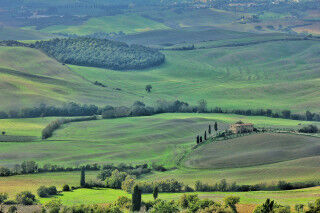
Over the past decade, Tuscany has solidified its reputation as a premier destination for exceptional, handcrafted chocolate. This beautiful Italian region, already world-famous for its rolling hills and renowned wines, has become home to a passionate community of artisanal cioccolatieri. These master chocolatiers personally travel to source the finest cocoa beans and exotic ingredients from remote corners of the globe, returning to their Tuscan workshops equipped with both unrivaled ingredients and global expertise. Each step of the chocolate-making journey—from roasting and blending to sweetening and crafting into pralines, bars, and velvety creams—is meticulously executed by hand, ensuring that every bite bursts with authentic flavor and artisan care. Many of these chocolate ateliers, nestled in picturesque Tuscan towns such as Florence, Pisa, and Prato, open their doors to guests (often by appointment), where visitors can witness the alchemy firsthand. The unwavering commitment to traditional, non-industrial methods elevates Tuscan chocolate to the status of a true regional treasure, earning the area the nickname "Chocolate Valley" among food lovers. To enhance the experience, a glass of Vin Santo or a bold Chianti Classico pairs magnificently with rich, dark chocolate—melding Tuscany’s two greatest passions in a single, unforgettable tasting.
The story behind the chocolate we savor today is a rich tapestry woven through centuries. It began with the discovery of cacao trees by Spanish Conquistadors in the early 1500s during their expeditions in the lush landscapes of the Amazon. Yet, the love affair with chocolate predates European exploration; the Maya civilization crafted a sacred beverage from roasted cocoa beans more than 2,000 years before Columbus set sail. In the Yucatan Peninsula, cacao beans were so treasured they were used as currency, and the Aztec mythology surrounding chocolate is a testament to its mystical allure. Today, artisan Tuscan chocolatiers channel this ancient reverence, transforming every bar and truffle into a homage to chocolate’s fascinating legacy. Pairing a single-origin dark chocolate with a glass of Brunello di Montalcino brings out subtle notes of cherry and spice, creating a symphony of flavors rooted in both history and terroir.
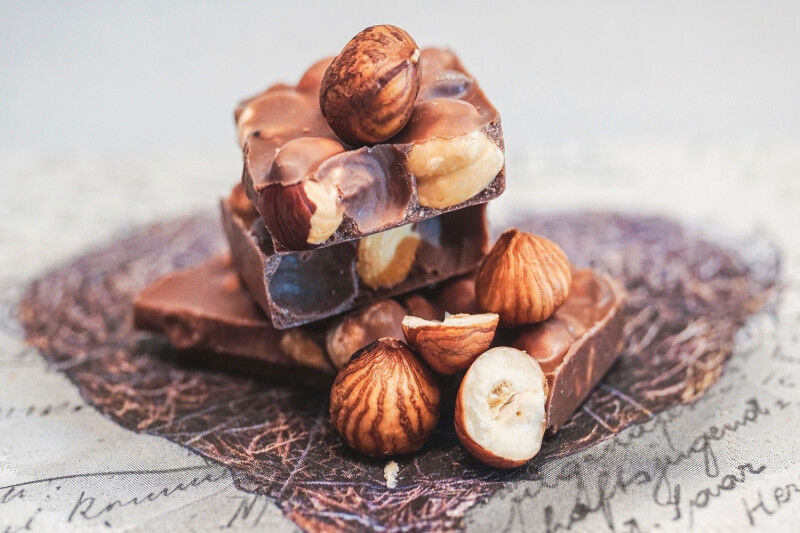
By 1519, Montezuma welcomed Hernán Cortés with lavish gifts, including baskets brimming with gold, silver, and cacao beans, marking the beginning of chocolate’s journey to Europe. Initially, Spain and Portugal maintained a monopoly over this exotic treat, serving it as an unsweetened beverage infused with pepper, cinnamon, and aromatic spices. The Arab influence—known for its love of sweet pastries—eventually led to the sweetening of cocoa powder, soon to be combined with milk in decadent European kitchens. The Tuscan appreciation for blending tradition with innovation can be seen in their unique creations, such as chocolate with candied orange peel or hazelnut pralines. For a sublime pairing, try a piece of spicy dark chocolate alongside a glass of Morellino di Scansano, whose robust berry notes complement the chocolate’s complexity.
Chocolate’s allure swept across Europe, gaining such popularity that in 1569, Pope Pius V decreed it permissible to drink a daily cup even during Lent. Aristocrats like Marie Antoinette traveled with their own ornate hot chocolate sets, and artists from Goldoni to Mozart and Proust immortalized chocolate in their works, linking it forever to culture and celebration. In Tuscany, modern chocolatiers keep this celebratory spirit alive with innovative treats like chocolate-covered chestnuts and truffle-infused pralines. These specialties shine when enjoyed with a luscious dessert wine like Occhio di Pernice Vin Santo, a pairing sure to delight even the most discerning palate.
By the late 18th century, chocolate’s status as a luxury good was cemented in literature, with the celebrated Venetian pamphlet "Dell'Uso e dell'Abuso della Cioccolata" boldly declaring, "Chocolate is to mortals what ambrosia is to the gods." For centuries, chocolate existed only as a drink, until pioneers like Carl van Houten and the English firm Fry and Sons introduced solid chocolate in the 19th century. Soon, Swiss innovators such as Henri Nestlé, Daniel Peter, and Rodolphe Lindt revolutionized the industry with milk chocolate and silky-smooth bars. However, the Tuscan approach remains rooted in small-batch artistry, with master chocolatiers favoring quality over quantity and unique Tuscan flavors over mass production. A tasting flight of Tuscan dark chocolates paired with aged Chianti Riserva or an elegant Vino Nobile di Montepulciano creates a true epicurean experience, combining the depth of chocolate with the complexity of Italy’s finest wines.
Today, the world of industrial chocolate pales in comparison to the richness, authenticity, and character found in artisan Tuscan creations. To truly appreciate this tradition, embark on a journey through Tuscany’s chocolate workshops, where you can savor the marriage of chocolate and wine—one delicious bite and sip at a time.