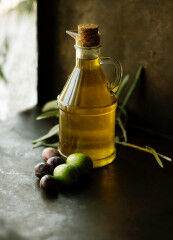
While culinary trends rise and fade, extra-virgin olive oil stands as an eternal treasure of the Mediterranean. This golden elixir is far more than a mere ingredient—it’s the heartbeat of Mediterranean culinary tradition, woven into daily life for over 4,000 years. Archaeological discoveries—like prehistoric oil lamps—reveal that even before the mastery of edible oil, ancient peoples relied on the precious, rudimentary oil extracted from wild olives to dispel darkness and fuel their survival. The desire for the gentle warmth of olive oil lamps endured through the ages, illuminating countless homes across rural Mediterranean villages well into the 20th century, a symbol of comfort and community.
Today, extra-virgin olive oil is celebrated for its incredible versatility. It elevates iconic dishes like Bruschetta, Caprese Salad, and the classic Panzanella, infusing them with richness and complexity. Its legacy stretches beyond the kitchen, as olive oil has long been cherished for its nutritional, medicinal, and cosmetic qualities. In Mediterranean culture, it is a symbol of peace, divine favor, and abundance—the legendary olive branch of Noah, the sacred anointings of ancient rituals, and even the epic saga of Odysseus and his olive wood bed. The expansion of olive cultivation, spurred by ancient civilizations and later the Roman Empire, transformed the landscapes and economies of the entire Mediterranean basin.
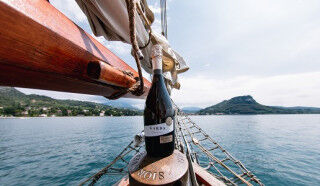
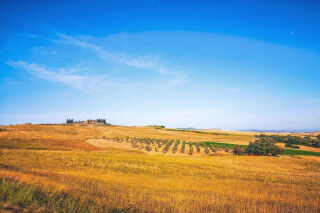
Thanks to centuries of adaptation and the art of grafting, Italy’s landscape became a living mosaic of olive varieties, each shaped by local soils, climate, and tradition. In the north, the glimmering shores of Lake Garda yield oils that are exceptionally light and delicate—perfect for drizzling on tender lake fish or vibrant salads. Moving west, Liguria is famed for its fruity, aromatic oils, the backbone of the region’s renowned Pesto alla Genovese and fresh focaccia. Tuscany, with its rolling hills, produces balanced, robust oils prized for their peppery notes—essential for enriching dishes like Ribollita and pairing with bold reds such as Chianti. In the sunny south, Puglia crafts powerful, spicy oils celebrated in rustic plates like Orecchiette con le Cime di Rapa, while Sicily offers oils with vibrant, fruity undertones that complement everything from arancini to fresh seafood. The legendary Mediterranean Diet, lauded by nutritionists worldwide, owes much of its flavor and health benefits to these very oils, which enrich every meal with taste and natural antioxidants.
The Ancient Roots and Regional Brilliance of Italian Olive Oil
Modern olive trees have ancient roots, with fossil evidence tracing them to south-central France about 50 million years ago, and even further, to the Sahara’s prehistoric past. Early humans likely braved the bitterness of wild olives long before learning to press them for their precious oil. After 2000 B.C., olive cultivation spread from the eastern Mediterranean—embracing Anatolia, Egypt, and Greece—and soon became a staple of Roman cuisine. By the 1st century B.C., olive oil was so integral to the Roman world that thousands of skilled workers oversaw vast estates, providing oil for both daily life and export across the empire.
Following the collapse of the Roman Empire, olive oil production in Italy faltered, but innovation flourished under the stewardship of the Arabs in Spain, whose new extraction methods laid the groundwork for modern quality. A renaissance of olive oil began in Tuscany around the year 1000, spreading throughout regions like Florence, Siena, and soon all across the peninsula. By the late Middle Ages, extra-virgin olive oil was not just a kitchen staple but a symbol of prosperity, culture, and Italian identity.
Today, Italy’s most renowned extra-virgin oils hail from specific regions, each telling a delicious, aromatic story. Tuscany stands out with its intensely green, slightly bitter oils that perfect Tuscan bread or a drizzle over Bistecca alla Fiorentina. Umbria is famed for elegant, herbaceous oils—essential for elevating local truffle dishes and earthy soups. In Sicily, sun-drenched groves yield fruity oils with floral notes, the heart of legendary dishes like Caponata. Puglia, the olive basket of Italy, produces rich, peppery oils that define the flavors of Focaccia Barese and fresh vegetables. In each bottle, you taste centuries of passion, tradition, and the sun-soaked terroir unique to each Italian region. It’s no wonder that gourmet experts and chefs worldwide prize Italian extra-virgin olive oil as the secret to unforgettable, healthy cuisine.