Pasta’s Storied Past: From Ancient Tables to Culinary Icon
Tracing the Earliest Mentions of Pasta in World History
The enchanting tale of Marco Polo introducing pasta to Italy has been recounted for generations, yet it lacks any genuine, historical foundation. The evidence tying Polo to the birth of Italian pasta is, at best, a delightful legend. In Rustichello di Pisa’s chronicle of Polo’s adventures, he references a dish reminiscent of modern lasagna—fried sheets of dough savored in the imperial courts of China—but nowhere does he suggest that Polo transported the cherished food back to Italy. What’s more captivating is that culinary ingenuity with dough predates Polo by centuries.
Long before Polo’s journeys, the ancient Romans had developed their own layered delight: they would simmer a mixture of flour, salt, and water in a flat vessel called a lasanum. This precursor evolved into today’s iconic lasagna, beloved across Italy and beyond. However, the first clear historical records of pasta as we know it surface in the 11th century. A document from Trabia, near Palermo, dating to around 1050 AD, details the production of a food crafted from flour and shaped into long, slender threads—strikingly similar to spaghetti.
The earliest known term for pasta is maccheroni. Though the exact etymology remains mysterious, some scholars point to the Greek word macaria, a simple barley dough cooked in broth, or perhaps makar, meaning “blessed” or “to reach a state of bliss”—apt, given the almost divine pleasure pasta has brought to generations. In ancient lore, maccheroni was said to be food for the gods, a testament to its revered place in the Mediterranean diet. Over the centuries, pasta evolved from its humble, rustic beginnings to become a symbol of Italian ingenuity and a culinary treasure cherished worldwide.
Pasta’s Voyage: How a Humble Dish Conquered the Globe
The journey of pasta from Italian kitchens to international fame is a mouthwatering story of cultural exchange and gastronomic innovation. In the vibrant 16th century, pasta began its European conquest, landing in France with the arrival of Catherine de’ Medici, who married Henry II in 1533. She is often credited with introducing refined Italian culinary traditions—such as ravioli and fettuccine—to the French court. From there, pasta’s allure spread like wildfire to Spain and throughout the Balkans, weaving itself into diverse cultures and cuisines.
Britain discovered pasta’s charms somewhat later, in the early 18th century. The 1735 hit comedy, The Macaroni, even poked fun at the trend of adopting Italian tastes and fashions. Pasta became so popular that, according to historical anecdotes, Napoleon Bonaparte supplied wagon-loads of it to fuel his armies on their campaigns, appreciating its nutritional value and versatility.
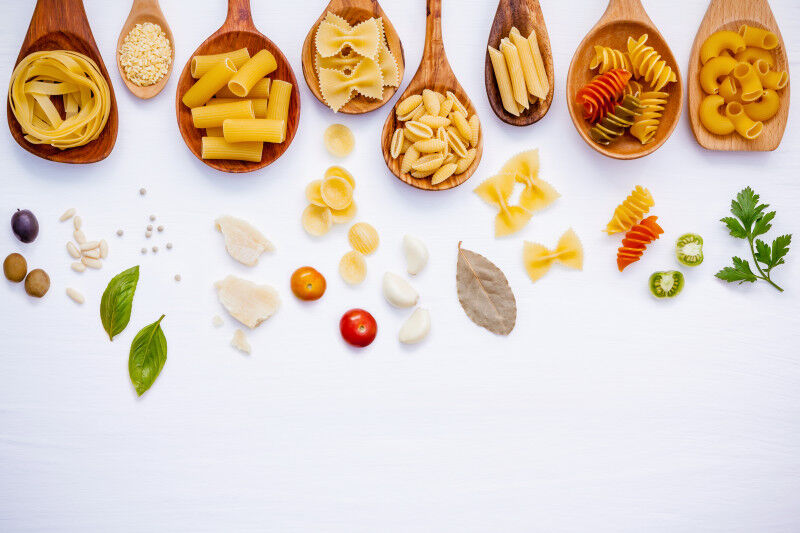
Until the late 19th century, most pasta varieties were simply referred to as maccheroni. As pasta-making flourished, regional names—such as spaghetti, penne rigate, and fusilli—emerged and became standard. Evocative photographs from the era depict bustling Italian streets where maccheronari (pasta street vendors) sold steaming bowls of pasta from their pushcarts to eager crowds. The working class would flavor their meals with salt, pepper, a dollop of tomato paste, and a dusting of Parmigiano Reggiano, while the wealthy would savor complex sauces and pair their pasta with celebrated wines like Chianti or Barolo.
The craft of grinding durum wheat remained virtually unchanged from ancient Roman times until the late 1800s, when steam-powered machinery dramatically increased production and made pasta more accessible. The 1930s saw a revolution in industrial pasta production, with the advent of large-scale mixers, sieves, and presses that could shape dough into all the enticing forms we love today—making pasta not just an Italian staple, but a universal comfort food.
The Irresistible Bond: Why Italians Are Passionate About Pasta
In the heart of Italy, pasta is more than a dish—it’s a way of life. Every Italian meal, from the simplest supper to festive banquets, is incomplete without the comforting presence of pasta. While modern dietary trends have trimmed down the once-generous portions, the affection for pasta remains undiminished. The sheer variety is dazzling: from the delicate folds of tortellini in Bologna, to the hand-rolled orecchiette of Puglia, and the hearty ribbons of tagliatelle bathed in ragù. Each region boasts its own signature shapes, secret sauces, and cherished traditions.
In many Italian homes, pasta-making is a treasured ritual, especially on Sundays and special occasions. Rolling, shaping, and drying dough together is an act that unites generations and keeps culinary heritage alive. Imagine the intoxicating aroma of fresh pasta simmering in a rich Sugo al Pomodoro or the indulgence of lasagna layered with creamy béchamel and savory meat sauce, paired with a bold glass of Montepulciano d’Abruzzo or a crisp Verdicchio.
Despite the enduring myth of Marco Polo, history and tradition point clearly to Italy as the true birthplace and innovator of pasta. This humble yet endlessly versatile food has become a symbol of Italian culture, bringing warmth, nourishment, and joy to tables around the world—and ensuring that the pasta tradition, in all its delicious forms, remains vibrantly alive.