Where Do Italy’s Fresh Herbs and Seasonings Flourish?
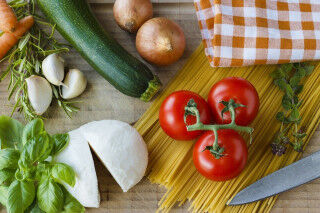
Italy is a veritable paradise for fresh aromatic herbs, with lush growth found in every corner of the country. From the terraced balconies of bustling Rome to the rolling hills of Tuscany, you’ll find herbs thriving everywhere: private gardens, rustic farm plots, and large-scale agricultural fields. Some regions even boast prestigious DOP-certified products—a testament to their unique local climates and expert cultivation. Walk through any Italian neighborhood and you’ll almost always encounter a thriving rosemary bush or a fragrant cluster of sage just waiting to be plucked and added to a simmering pot of ribollita.
The Italian countryside is a treasure trove of wild aromatics. Picture draping vines of rosmarino cascading over ancient stone walls or massive sage shrubs standing like sentinels in charming piazzas. While these visual feasts are tempting, beware—some city-center herbs are grown for beauty, not for the table! For cooks without a garden, Italian supermarkets make seasoning simple, offering pre-bundled bunches of essential herbs like rosemary, bay leaf, and sage—ready to elevate your next osso buco or cacciucco.
Italy’s thriving herb industry doesn’t stop at the kitchen door. Industrial growers supply an array of fresh options—think chives, marjoram, dill, and coriander—to both culinary professionals and the cosmetic sector, where herb essences are prized in perfumes and wellness products. The freshest herbs come with a short shelf life, so Italians often freeze them in glass jars to preserve both color and aroma. And when fresh herbs aren’t available, dried versions—such as oregano harvested and air-dried from overflowing balcony pots—offer a burst of flavor for months. Combine dried oregano with mint and you have an unbeatable, aromatic blend for seasoning freshly grilled branzino or pesce spada.
The Irresistible Allure of Aromatic Herbs
There’s true magic in the way Italian herbs transform a dish. Each time you sprinkle a handful of fresh basil onto a just-baked Margherita pizza or finish a vibrant caprese salad with fragrant oregano, you experience a symphony of aromas and flavors. The scent of garlic and parsley sizzling in olive oil is the unmistakable hallmark of a quick vegetable sauté—simple, yet deeply satisfying. Even non-traditional combinations like garlic and curry are finding their place in modern Italian kitchens thanks to the rising popularity of fusion cuisine.
Beyond taste, herbs play a vital role in health-conscious Italian cooking. By leaning on the robust, natural flavors of herbs and spices, you can reduce your reliance on salt—staying true to the Mediterranean Diet and keeping dishes both delicious and nourishing. Every aromatic bite is a celebration of Italy’s culinary heritage and a step toward well-being.
"Herbs are the friend of the physician and the pride of cooks." — Charlemagne
Why Every Kitchen Needs Fresh Herbs and Seasonings
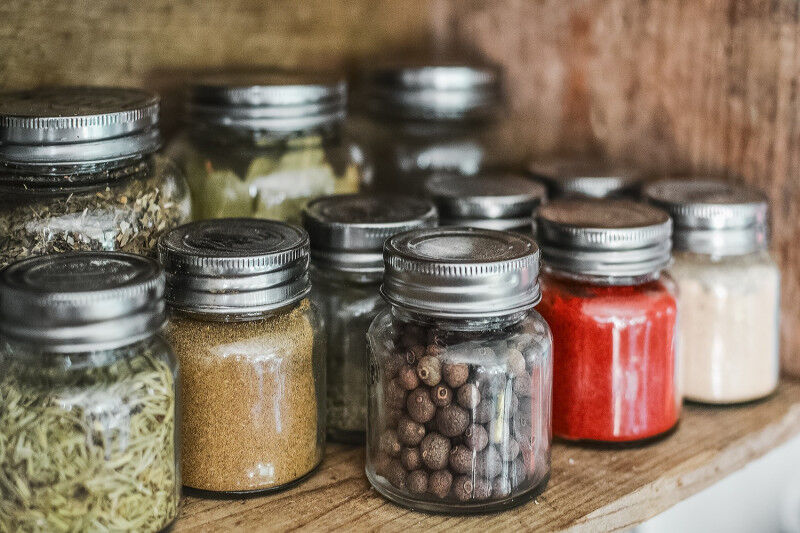
There’s something irresistible about cooking with freshly picked herbs. Their vibrant scents and colors infuse every meal with Italian soul. Still, you don’t have to rely solely on fresh—Italy’s gourmet shops, such as the beloved torrefazioni, stock apothecary-style jars brimming with dried treasures. Whether you’re sourcing from specialty boutiques or your own backyard, experimenting with different combinations of Italian dried herbs lets you create unique seasoning blends to match your cooking style.
Channel your inner brava massaia—the skilled home cook—by gifting friends jars of homemade dried rosemary, thyme, or marjoram. Not only is it a thoughtful gesture, but it also keeps the tradition of Italian hospitality alive and thriving, one aromatic bouquet at a time.
Herbs: The Finishing Touch to Every Dish
Every Italian cook knows that herbs and seasonings are the secret to unforgettable flavor. They add complexity and beautiful aromas without overshadowing the natural taste of the ingredients. Even if you’re not a culinary enthusiast, these aromatic wonders can effortlessly elevate your meals. Their forgiving nature means you can toss in a handful of fresh parsley or thyme right before serving, instantly brightening up a classic minestrone or a simple plate of pasta e fagioli.
If you miss a step and forget the sage at the start, don’t worry—sometimes adding it at the end prevents bitterness and brings a lovely lift to the dish. Herbs offer a healthy way to reduce salt without sacrificing taste, helping you prepare meals that are both mouthwatering and better for you.
Do you already cultivate a lush herb garden on your windowsill or in your backyard? What are your favorite ways to infuse dishes with fresh or dried herbs? For more inspiration, explore Part 1 of our Spices and Herbs series for a flavorful foundation.
Hungry for more ideas? Visit the Mamablip Recipe Index for innovative ways to incorporate both fresh and dried herbs into savory classics and even sweet Italian desserts.
Stay at the forefront of Italian cooking—sign up for the Mamablip weekly newsletter for exclusive recipes, passionate blog articles, and the latest news from Italy’s vibrant world of food and wine.