ALTO PIEMONTE: WHERE TERROIR SINGS IN EVERY GLASS
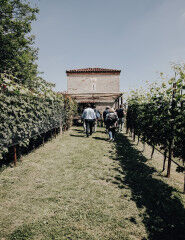
If you ask the Consortium of Alto Piemonte, they’ll tell you that "Nebbiolo" is never just one grape—it’s a chorus of personalities, each shaped by an ancient, vibrant land. This isn’t just poetic license: after just a few tastings from Alto Piemonte’s four provinces, you’ll realize the grape’s nature shifts dramatically from region to region. In Novara and Vercelli, Nebbiolo is called Spanna; travel north to the Ossola Valley, and it becomes Prünent. But these names are only the beginning of the story: it is the land itself that leaves the deepest mark. Nowhere in Italy does geology assert itself more deliciously than here, making Alto Piemonte a living museum for wine lovers and geology buffs alike.
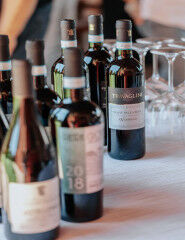
For instance, you’ll find that Lessona is defined by its ancient marine sands, lending its Nebbiolo-based wines an unmistakable finesse and a haunting minerality, while the nearby Bramaterra is shaped by iron-rich volcanic soils, giving the wines a robust, spicy profile. Gattinara sits atop the remnants of a volcano, producing wines that are powerful, structured, and built to last. In Boca, the soils are red porphyry—hard, ancient rock that brings out an extraordinary complexity and long aging potential in the wine. The region’s broader appellations, Coste della Sesia, Colline Novaresi, and Valli Ossolane, represent a patchwork of microclimates and soil types, each contributing a distinct voice to the chorus.
Comparing Northern Piedmont's Nebbiolo to its southern cousin in the Langhe can be misleading. The mighty Monte Rosa and the glacial hills from Biella to Novara create a patchwork of soils and exposures that impart unique aromas and flavors, from floral and red fruit notes to earthy, mineral undertones. Each bottle is like tasting a map—a sensory journey across the region’s ancient landscapes.
Curious about more Piedmontese curiosities? Don’t miss a deep dive into the rare and intriguing Ruché grape here.
WINES OF FIRE AND ICE: THE GEOLOGICAL TAPESTRY OF ALTO PIEMONTE
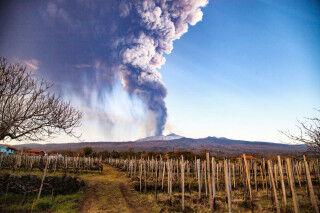
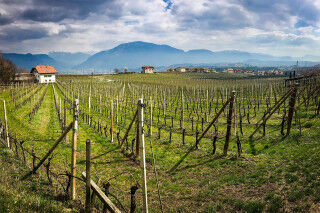
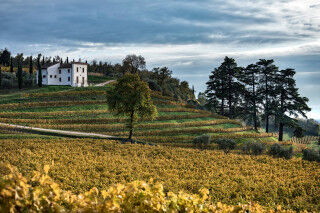
Alto Piemonte’s wines are the delicious result of a dramatic clash of natural forces. On one side, the region is shaped by the ancient glaciation of Monte Rosa, leaving behind morainic hills and gravelly soils that bring elegance, vibrant acidity, and longevity to the wines. On the other, the ancient Valsesia Supervolcano—dating back nearly 290 million years—has imprinted volcanic rocks, porphyry, and tuff into the land, providing structure, minerality, and complexity. The collision of the African and European tectonic plates 60 million years ago pushed the earth’s mantle to the surface, exposing some of the most ancient and mineral-rich soils in the world. The result is a dazzling mosaic: a single vineyard might transition from sand to clay to volcanic rock in just a few strides, making every plot—and every wine—distinct.
These soils are not just diverse, but also strikingly acidic. In Boca, soil pH drops to as low as 2.85, even lower than vinegar. This imparts the wines with an electric vibrancy on the palate, a tension between savory minerality and juicy acidity that makes them irresistible with food and capable of evolving for decades in the cellar. The persistent, saline finish is a hallmark—an echo of ancient seas and volcanic fire.
Lessona wines are delicate yet persistent, with aromas of violets, wild strawberries, and forest floor. They pair beautifully with roasted poultry, mushroom risotto, or even herb-crusted lamb. Bramaterra’s bolder, earthier Nebbiolos shine alongside braised beef cheeks, wild game, or aged cheeses that echo the wine’s depth. Gattinara, with its robust tannins and spicy, iron-laced minerality, is a natural match for rich stews, grilled steaks, or slow-cooked oxtail. Boca’s complexity and longevity invite pairings with truffled dishes, aged Parmigiano Reggiano, or hearty autumn fare like polenta and porcini mushrooms. Colline Novaresi and Coste della Sesia can be delightfully versatile: try them with charcuterie, roasted game birds, or even spicy Asian dishes that play off their bright acidity and minerality.
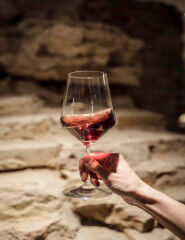
For the sweet finale, a classic Panna Cotta with a Nebbiolo rosé is a match made in heaven—the wine’s acidity cutting through the creamy texture. Or, immerse yourself further by joining a live cooking class and learning to craft fresh Agnolotti, whose delicate pasta and savory fillings pair perfectly with Alto Piemonte’s graceful reds.
VAL D’OSSOLA: THE WILD, NOBLE NORTH
At the northern frontier of Piedmont, nearly brushing the Swiss border, lies Val d’Ossola, a land of vertiginous terraces, ancient “Toppia” pergola-trained vines, and centuries-old traditions. Here, the local Prünent grape—a rare Nebbiolo biotype—thrives in granite and gneiss soils, producing wines with bright red fruit, delicate florals, and a gentle, persistent acidity.
Climbing the precarious terraces between 300 and 500 meters, you’ll find gnarly, ancient vines—some free-standing since the Middle Ages, surrounded by a patchwork of tiny plots passed down through generations. The valley’s cool climate and Swiss influences—visible in the tidy architecture and dairy-driven cuisine—shape both the wines and the meals they accompany. Think of pairing a fragrant, elegant Prünent with Alpine cheeses, creamy fonduta, or rösti topped with speck and caramelized onions. Aged Ossolano cheese with a glass of Prünent is a sublime combination, the wine’s freshness cleansing the palate and highlighting the cheese’s nutty complexity.
Though phylloxera never decimated these vineyards, rural depopulation has threatened their survival, making the work of the Ossolani Agricultural Producers Association—founded in the 1990s—all the more vital. Their efforts preserve not just the vines, but also centuries of wisdom and technique, ensuring the noble wines of Val d’Ossola continue to delight and surprise.
Don’t miss the chance to explore this frontier of flavor: sign up for Mamablip’s newsletter for new recipes, wine adventures, and the inside scoop on Italy’s hidden gems.