The Garda DOC: History, Terroir, and Unique Wine Traditions Revealed
The Origin and Identity of Lake Garda
Lake Garda derives its name from the Germanic word "warda," meaning “lookout” or “observation post.” Throughout history, this remarkable lake has been celebrated for its consistently mild microclimate, creating an exceptional environment for both people and agriculture.
What Makes Lake Garda Remarkable?
The area surrounding Lake Garda is a natural oasis, boasting a blend of vibrant Mediterranean vegetation and unique flora and fauna rarely found elsewhere in the pre-Alpine belt. Archaeological discoveries have revealed just how long this fertile land has been cultivated, with evidence of ancient settlements indicating a deep agricultural heritage.
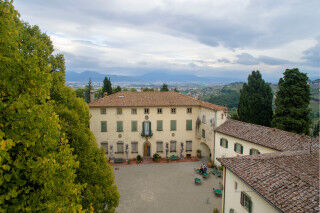
During the Venetian period, the region’s population and development flourished, enriching a landscape already adorned with Romanesque architecture and historic churches. The rise of stately agricultural villas in later centuries fused innovative farming with Renaissance ideals, ultimately defining Lake Garda’s identity as a region where nature, history, and human ingenuity intertwine.
Today, Lake Garda’s economy thrives on a robust combination of tourism and advanced agriculture. Its legacy as a center for crops like grains, orchards, olive trees, and, most notably, vineyards reflects the enduring bond between the land and its people. The culture of viticulture, deeply rooted since the 16th and 17th centuries, is still the soul of the region.
Garda DOC: A Mosaic of Terroirs and Traditions
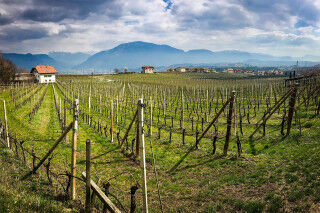
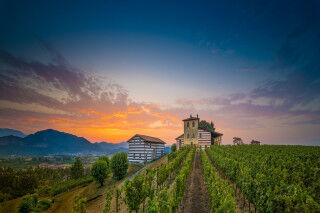
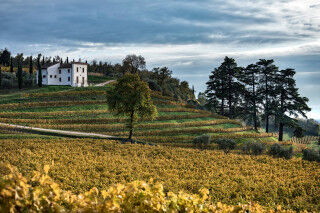
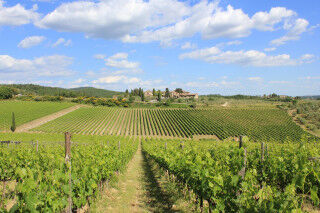
The extensive Garda DOC designation spans both Lombardy and Veneto, stretching across the vast morainic amphitheater that frames Lake Garda from east to west. This viticultural area is characterized by rolling hills and fertile soils shaped by ancient glaciers, setting the stage for a diverse array of wine styles.
Garda DOC encompasses renowned denominations of origin in three provinces: Brescia, Mantua, and the expansive Verona. Within these borders lie celebrated wine zones such as Valtènesi, San Martino della Battaglia, Lugana, Custoza, Bardolino, Soave, and the iconic Valpolicella and Monti Lessini-Durello. This patchwork of regions produces an impressive range of whites, reds, and sparkling wines, reflecting both indigenous and international grape influences.
Where to Find Garda DOC Vineyards?
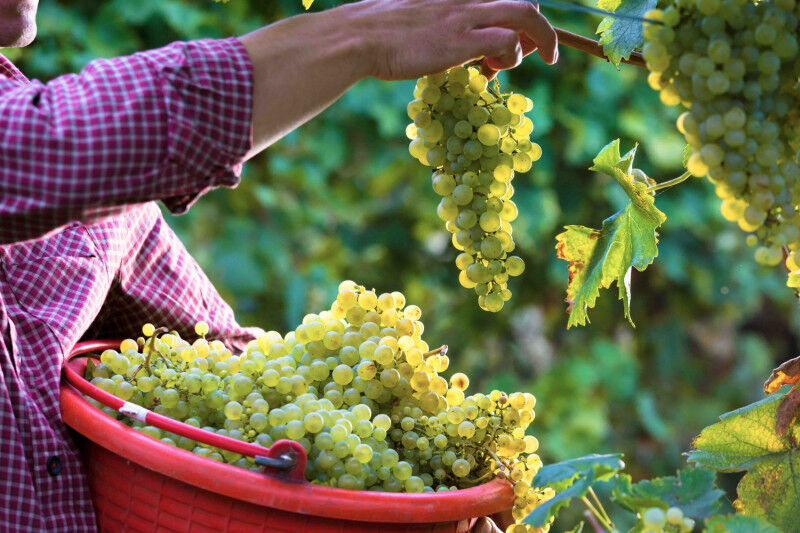
The undulating hills extending from Lake Garda’s shores are home to more than 30,000 hectares of vineyards. This expansive area nurtures over six principal grape varieties. In Verona, Garganega and Corvina thrive; Brescia is famed for Turbiana (Trebbiano di Soave) and Groppello; and in Alto Mantovano, Merlot and Chardonnay take center stage.
Under the Garda DOC label, producers craft a broad spectrum of wines: from refreshing whites and structured reds to lively sparkling wines. The region’s hallmark is its versatility—late harvest and passito-style wines are also produced, offering a harmonious blend of body, ripeness, and sweetness. Each bottle captures the unique influence of Lake Garda’s terroir and climate, delivering wines with vibrant aromatics, minerality, and refreshing acidity.
The Signature Grapes of Lake Garda
Among the most celebrated varieties rooted in the Garda region are Garganega and Turbiana (for whites), as well as Corvina and Groppello (for reds). These grapes have shaped the area’s wine reputation and lend a true sense of place to every bottle.
Garganega: The Noble White of Verona
Regarded as the “noble ancestor” among Verona’s white grapes, Garganega has been cultivated for centuries in the hills surrounding the Valle d’Alpone, Tramigna, Illasi, and Mezzane. Wines made from this grape are known for their delicate floral aromas, evolving into rich, ripe fruit and subtle mineral undertones with age. On the palate, expect a harmonious profile—light, agile, yet persistent, with refined acidity and a crisp finish.
Turbiana (Trebbiano di Soave): Vibrant and Expressive
Turbiana, also known as Trebbiano di Soave, is distinguished by its tightly packed, pyramidal clusters and consistently high yields. This varietal produces wines that are lively and aromatic, offering floral notes and a refreshing backbone of acidity. Its graceful character and aromatic complexity have made it a staple in the Garda area, particularly for fresh, youthful white wines.
Groppello: The Distinctive Red of Valtènesi
Groppello stands out as the signature red grape along the western Garda shores, especially in the Valtènesi district. First referenced in 1299, its name derives from the Italian “groppo” (meaning knot), alluding to the grape’s tight clusters. Groppello yields light, ruby-red wines, notable for their crisp red fruit and gently spicy aromas. On the palate, these wines exhibit a balanced structure, moderate alcohol, and vibrant acidity, finishing with subtle tannins and a dry, elegant profile.
Corvina: The Backbone of Verona’s Reds
The Corvina grape provides the foundation for many of Verona’s most iconic red wines. Recognizable by its thick, purple-hued skin and abundant bloom, Corvina offers juicy pulp and a naturally sweet profile. Wines crafted from this grape are celebrated for their pronounced cherry aromas, supported by a balanced texture and lively acidity. As Corvina-based wines age, they develop alluring notes of spice and balsamic, resulting in a complex and harmonious drinking experience.
Exploring Beyond the Lake: Culture, Cheese, and Alpine Beauty
The Lake Garda region is not just about wine; it’s a gateway to breathtaking villages and the majestic peaks of the Belluno Alps to the northeast. The rich pastures here are the source of Piave DOP Cheese, a renowned hard cheese made exclusively from high-quality local milk.
Piave DOP is crafted solely in Belluno, using fresh milk, salt, and rennet to create a cheese that’s rich in calcium and naturally gluten-free. Its savory, nutty character makes it a perfect partner for the expressive wines of the Garda DOC. Exploring this pairing reveals the deep culinary roots and artisanal traditions that define the broader region.
Continue Your Discovery: