Where do we truly discover the world’s most exceptional terroirs? One could say that these treasured lands are those where just a handful of vines can express a dazzling spectrum of flavors and aromas, each glass shaped by diverse soils and the deft hands of local winemakers who intuitively understand how to let their territory shine. Yet, Italy stands apart, overflowing with wine landscapes that owe their greatness to a vast ampelographic diversity. This incredible variety gifts each region with characteristics of immeasurable value for the global wine industry—each bottle telling a unique story of place, people, and passion.
What sets these terroirs apart isn’t just their grandeur—it’s the sense of adventure they offer. Every wine invites you to a playful exploration of food pairings, scents, textures, and tastes. Imagine a landscape where each sip reveals something new, where a perfect match with speck, Schüttelbrot, or delicate apple strudel creates unforgettable memories for your senses.
Look to Alto Adige, for example—a region that dazzles with 20 distinct grape varieties cultivated over a mere 5,500 hectares stretched between 200 and 1,000 meters above sea level. Here, you’ll find 218 wineries, and when you add in cooperatives, the number swells to nearly 5,000 winegrowers. Each year, this mountain paradise produces about 330,000 hectoliters of wine, with crisp, aromatic whites making up 62% of the total. The remaining 38% is devoted to expressive reds and a sparkling treat—400,000 bottles of bubbly elegance that captivate anyone lucky enough to taste them.
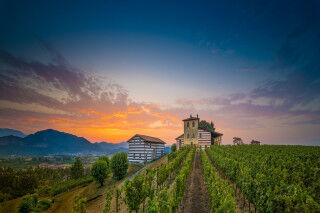
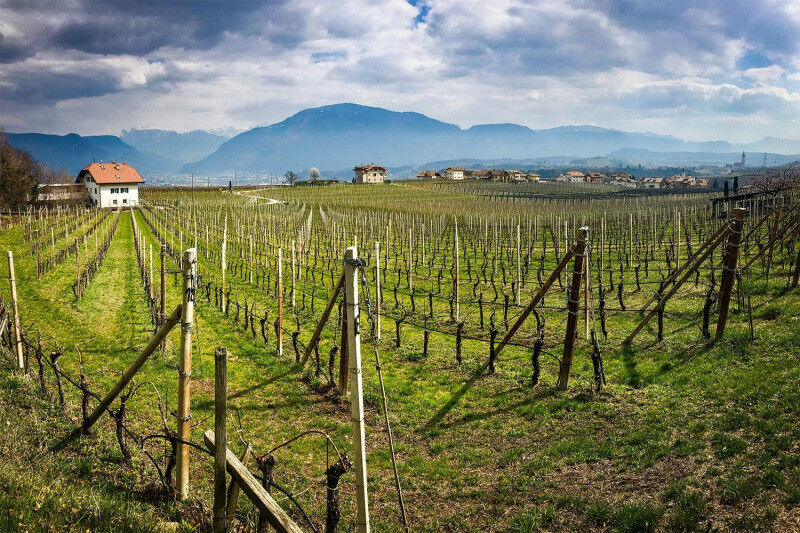
Statistically, this is the face of Alpine winemaking today. But behind the numbers lies a stunning mosaic of snow-capped peaks, lush valleys, and sunlit slopes that cradle rows of grapevines and even citrus groves. Winters here are snowy and magical, while long, hot summers fill the air with the scent of ripening fruit. Alto Adige is Italy’s true crossroads, nestled between brisk Central Europe and the gentle warmth of the Mediterranean south. The mighty Alps shield these lands from northern chills, while soft, humid breezes from Lake Garda and the Mediterranean Sea bring a lushness that yields an astonishing 300 days of sunshine per year. It’s no wonder this enchanting territory is often called Italy’s "Southern North."
A Virtual Tasting with Consorzio Vini Alto Adige: Savoring Excellence
The recent online tasting hosted by Consorzio Vini Alto Adige was nothing short of a celebration of local varietals and their stunning expressiveness. Each wine poured was a testament to the region’s passion and mastery, enticing the senses with their depth and personality.
Let’s dive into the unforgettable bottles that defined this tasting experience:
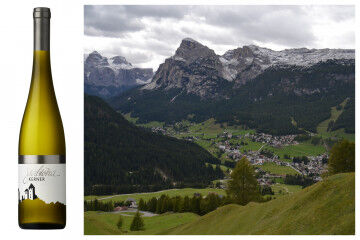
- Kerner Sabiona from Valle Isarco Winery: Sourced from a rare 300 hectares owned exclusively by the mystical Sabiona Monastery (400–800 meters elevation), this wine offers a palate rich with juicy peach and apricot notes, underpinned by an alluring flinty minerality. The estate’s convent garden and the renowned Tyrolean pilgrimage site add layers of history and allure, making every sip a journey through time and tradition.
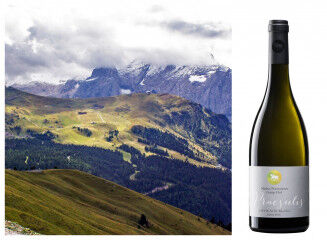
- Gump Hof Sauvignon Blanc “Praesulis”: Grown in southern Valle Isarco at lower altitudes, this Sauvignon Blanc bursts with dynamic aromas. Fresh apple and pear intermingle with exotic spices like ginger and green pepper, all harmonized by a pronounced minerality and crisp, saline finish—a wine that’s as lively as the landscape it springs from.
- Terlano “Vorberg” Pinot Blanc: Originating from the iconic Terlan Cooperative between Bolzano and Merano, this 100% Pinot Blanc is legendary for its ability to age. The 2018 vintage hints at a promising evolution but is also deliciously accessible now, brimming with fragrant hawthorn, linden blossom, and delicate notes of yellow plum that intertwine with invigorating acidity, delivering a mouthwatering, elegant finish.
- Tiefenbrunner “Feldmarschall Von Fenner” Müller Thurgau: From the windswept heights of Cortaccia in Bassa Atesina—over 1,000 meters up—this select Müller Thurgau is a true Alpine marvel. The influence of noble Botrytis cinerea imparts a honeyed richness alongside fresh saffron, subtle grape, and hints of caramel. Each sip is a dance between exotic spice and vibrant freshness, lingering on the palate with notes of wildflower honey.
- Falkenstein Riesling by the Pratzner Family: Nestled on the Adige’s left bank in Venosta Valley, the sun-kissed slopes and dramatic temperature shifts create a Riesling that rivals the best from Germany’s Mosel. The bouquet explodes with citron, mandarin, lime, and white peach, followed by a crisp, minty finish that leaves your palate refreshed and craving more—a true expression of high-altitude finesse.
- Castelfeder “Borgum Novum Riserva” Pinot Noir: Our tasting journey concludes in Cortina (Bassa Atesina) with the Giovanett family’s unwavering devotion to Pinot Noir. This Glen plateau selection, from vines grown between 450–800 meters, is a masterclass in elegance. The 2017 vintage overflows with vibrant red fruit—think raspberry and cherry—alongside a lively acidity and refined structure, making this a red wine of both energy and poise.
South Tyrol’s Vision for the Future: The 2020-2030 Wine Agenda
The year 2021 marked a pivotal moment for Alto Adige, as the region united with the Advisory Center for Fruit Growing and Viticulture, Laimburg Agricultural Experiment Center, European Academy of Bolzano, Free University of Bolzano, and sustainability expert Alfred Strigl to launch the forward-thinking South Tyrolean Wine Agenda 2030. This ambitious initiative aims to secure the region’s legacy through sustainable winemaking, ensuring that by 2030, every vineyard operates with respect for the environment, tradition, and innovation. The plan is built on five foundational pillars: soil, vineyard, wine, territory, and people—each with clear models and actionable recommendations to create holistic progress.
Soil: Nurturing the Foundation of Excellence
To protect this precious resource, the agenda champions an exclusive shift to organic fertilization, phasing out synthetic, single-use materials in favor of biodegradable alternatives. This not only preserves soil vitality but also enhances the purity and character of every grape grown in Alto Adige.
Vineyards & Wines: A Commitment to Quality and Sustainability
Uniform, cutting-edge regulations are being established for vineyard management, especially regarding phytosanitary treatments. From 2023, synthetic herbicides will be completely banned, prioritizing the health of vines, workers, and the environment. Meanwhile, the region is taking bold steps to monitor and reduce carbon dioxide emissions, ensuring that every glass of Alto Adige wine is a step towards a greener future.
Territory & Personnel: Sustaining Community and Landscape
Preserving the breathtaking rural landscapes and supporting the entire production chain go hand in hand with responsibly increasing the role of skilled workers in the wine sector. The overarching goal is to fuel sustainable growth from the ground up, always balancing economic vitality, environmental integrity, and regulatory compliance for long-term prosperity.
An Exclusive Q&A with Consorzio Director Eduard Bernhart
Q: How did the pandemic year affect Alto Adige, especially in terms of tourism and Horeca (Hotel, Restaurant, Catering) channels?
A: The Alto Adige wine sector is defined by its diversity, with nearly 5,000 wineries and about 10,000 people working across small, family-run enterprises. These businesses responded to the crisis with admirable resolve and creativity. The Horeca market, accounting for around 50% of South Tyrolean wine sales, experienced a sharp decline, and the vital wine tourism sector was also heavily impacted, especially by the extended winter closures in 2021. Nevertheless, our producers adapted quickly—strengthening their e-commerce presence and using social media to keep the world connected to Alto Adige’s wines, sharing their quality and versatility with a global audience.
Q: As the summer season approaches, how are wineries preparing for the return of wine tourism?
A: Wine tourism is the beating heart of South Tyrol. We are eagerly preparing to welcome guests back with safety and warmth, offering unique experiences among our vineyards and cellars. The region’s natural beauty—highlighted by the UNESCO-listed Dolomites—invites visitors to hike, cycle, and stroll among vineyard trails that traverse the entire territory. The famous South Tyrolean Wine Road connects over 200 local producers, providing hands-on experiences and a doorway into the secrets of South Tyrolean winemaking. Our wines are part of the region’s cultural DNA, proudly shared by producers who love pairing them with traditional Tyrolean dishes, ensuring every visitor leaves with unforgettable flavors and stories.
Q: Looking to the future, will the Consorzio focus more on Italy or seek greater international recognition?
A: Italy remains our foundation, with passionate consumers who truly appreciate the excellence of South Tyrolean wines. However, we are also actively expanding our communication and presence in international markets. Our 2021 strategy focuses on elevating the perception of South Tyrolean wines and securing a strong position in the premium segment. By strengthening ties with both B2B and B2C audiences worldwide, the Consorzio aims to increase exports beyond the current 25%, sharing the magic of Alto Adige with wine lovers everywhere.