Article • Italian Wine Guide
Article • How to Taste Wine
The Ravages of Grape Phylloxera: A Tiny Insect, a Monumental Threat
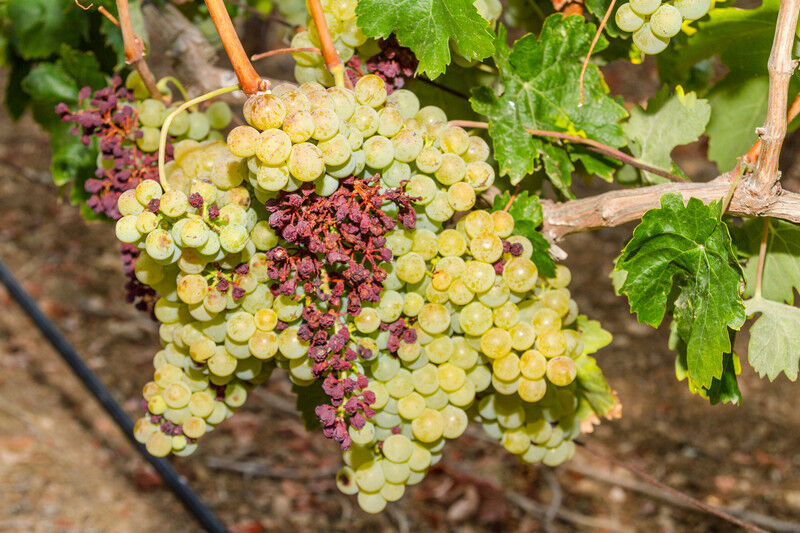
The infamous phylloxera is not just any bug—it's a minuscule, yellowish aphid whose appetite for grapevine roots has rewritten the history of fine wine. Accidentally brought to Europe in the 19th century, this relentless pest devastated vineyards from Bordeaux to Tuscany, leaving withered vines and broken dreams in its wake. Its insidious attacks disrupt the delicate balance of the vine, preventing it from absorbing nutrients and ultimately leading to its death. The arrival of phylloxera was nothing short of catastrophic, forever altering the global landscape of wine production and leading to the loss of ancient grape varieties and the irreplaceable flavors they produced.
A Pestilence Unleashed: The Early Days of Phylloxera's Spread
Phylloxera's journey began as a localized disaster in French vineyards but soon escalated into a full-blown pandemic for the world of wine. Its voracious appetite did not stop at the borders of France; soon, vineyards in Italy, Spain, Germany, and even the New World felt its bite. The pest moved through the earth with chilling efficiency, its presence signaled by dying leaves, stunted growth, and, ultimately, the collapse of entire wine economies. Generations of families who had tended the same vines for centuries watched in horror as their beloved grape varieties like Chardonnay, Barolo, and Rioja faced extinction. The phylloxera crisis was a clarion call for innovation and unity among winemakers worldwide.
France Under Siege: Heroes, Science, and the Battle Against Phylloxera
By the late 1860s, the heart of the French wine world—from the storied slopes of Bordeaux to the sun-drenched vineyards of the Rhone Valley—was in peril. The French government, recognizing the existential threat, assembled a dream team of botanical experts, including Jules Planchon and Pierre Millardet. These pioneers, through tireless research and heated debate, traced the disaster to its root: phylloxera. Their work laid the foundation for the first coordinated response: strategies for nurturing young vines, treatments for infected plants, and the earliest hints of the need for radical, outside-the-box thinking. Their determination and scientific curiosity set the stage for a new chapter in wine history.
American Roots, European Soul: Crafting the First Phylloxera-Resistant Vines
Salvation, ironically, came from across the Atlantic. The visionary American horticulturist T.V. Munson helped introduce the practice of grafting—joining the noble European vitis vinifera vines (the source of our beloved Chianti, Champagne, and Bordeaux) onto hardy, resistant roots of American species like Vitis Labrusca and Vitis Riparia. This ingenious fusion created vines that could withstand the dreaded pest while preserving the unique flavor profiles of classic European wines. The transition was not immediate; years passed before these new vines bore fruit, and skepticism ran deep among traditionalists. But ultimately, this blend of American resilience and European legacy saved iconic wines and allowed regions like Burgundy and Piedmont to flourish once again.
Modern Menace: Phylloxera’s Enduring Grip on Vineyards
Despite the advances of modern agriculture, phylloxera remains a lurking menace in today's vineyards. The 1980s saw a dramatic resurgence in one of the world's most celebrated wine regions—Napa Valley, California. Once thought to be under control, the pest adapted and returned, devouring vines and haunting winemakers with memories of the French wine blight. As clusters of Cabernet Sauvignon and Chardonnay shriveled on the vine, research teams raced to understand how this tiny invader could still cause such devastation. The story of phylloxera is a stark reminder that even in the age of biotechnology, the world of wine is never free from the unpredictable forces of nature.
The Napa Valley Outbreak: When Phylloxera Returned with a Vengeance
The return of phylloxera in Napa Valley was both a scientific puzzle and an economic disaster. The pest had evolved, overcoming previous defenses and targeting vines grafted onto the once-trusted AxR1 rootstock—a cross between the French Aramon and American Rupestris. The presence of vinifera genes made this rootstock vulnerable, and the result was the mass destruction of vineyards famed for their velvety Merlot and bold Zinfandel. Growers faced the agonizing task of uprooting and replanting thousands of hectares, incurring costs of over $1 billion and waiting years for the rebirth of their prized wines. The Napa Valley episode underscored the ever-present danger of complacency and the relentless adaptability of phylloxera.
Biotech Vines: The Future of Wine or a Step Too Far?
Today, leading-edge research is exploring the potential of genetically modified (GM) vines—vitis vinifera varieties engineered to resist phylloxera without traditional rootstock grafting. This revolutionary approach sparks passionate debate among winemakers and connoisseurs alike:
- Will GM wines offer the exquisite aromas and flavors of legendary vintages, or will they lose the nuance that makes Barolo or Chablis unforgettable?
- Is it ethical to embrace biotechnology in a world where craftsmanship and tradition are integral to the culture of wine?
- Could there be sustainable, organic alternatives—perhaps undiscovered wild rootstocks or new ecological approaches—that preserve both heritage and the environment?
The prevailing wisdom holds that wines from own-rooted vines possess greater complexity and authenticity. Yet the march of science and the specter of phylloxera leave the future of viticulture deliciously uncertain—a tantalizing blend of tradition and innovation that will shape the wines we savor for generations to come.
Further Reading for Wine Lovers: