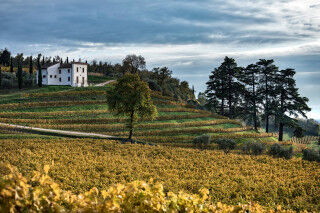
MONASTIC ORDERS AND THEIR UNFORGETTABLE CONTRIBUTION TO EUROPEAN WINE
Let’s journey back in time and uncork the extraordinary story of how monks became the custodians of European wine. After the era of the mighty Romans—who introduced vitis vinifera to the fertile lands of Enotria (ancient Italy)—the thirst for wine dimmed as the Germanic Goths swept across Europe, favoring hearty beers and sparkling ciders instead of the Roman nectar.
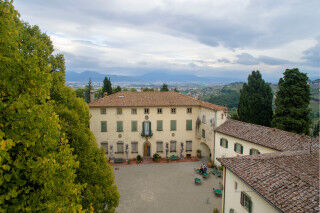
But as the centuries flowed, power shifted like the tide—from the Byzantine Empire to the Papal States, and finally the Kingdom of Italy. Each era left its mark, but it was the monks—tucked away in their tranquil, vine-covered monasteries—who would safeguard winemaking traditions and breathe new life into the vineyards. Their devotion was not just to faith, but also to the land, the grape, and the precious elixir that would become the heartbeat of European culture.
THE POWERFUL BOND BETWEEN MONKS AND WINE
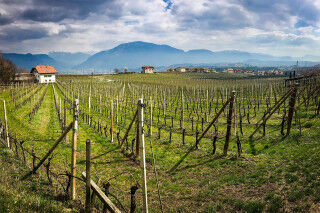
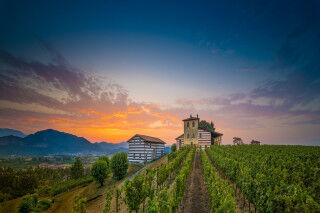
At first glance, the austere world of monastic life and the intoxicating joy of wine may seem at odds. Yet these two worlds, so different in spirit, found perfect harmony in the cloisters of medieval Europe. Why did this partnership flourish? One key reason was that wine played an essential role in religious rites, especially in the celebration of the Eucharist. Monasteries, blessed with expansive lands, transformed their fields into thriving vineyards, cultivating the best grape varieties and nurturing them with generations of wisdom.
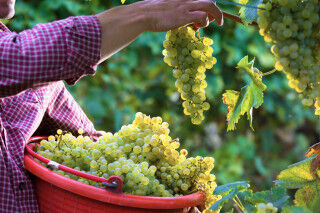
Monks were among the few who could read and write, giving them access to ancient texts and allowing them to record their own discoveries. They gathered skilled labor—from fellow monks to local peasants—and managed every step of production, from the vineyard to the cellar. Their wines were not just for religious ceremonies—they became a cornerstone of the monastery’s economy, traded with neighboring villages or sipped by visiting nobles. Above all, monks saw each task, from pruning a vine to pressing grapes, as an act of devotion. And in a time when drinking water was often contaminated, monks promoted wine, beer, and spirits as safe, life-saving alternatives. By blending a touch of wine into water, they helped stave off disease and transformed wine into a symbol of health and celebration.
HOW MONKS ELEVATED THE ART OF WINEMAKING
But how exactly did monks refine the winemaking process? Through meticulous observation and experimentation, they became the pioneers of oenology. Monks documented their findings in detailed manuscripts, sharing their knowledge across centuries. They perfected techniques for pruning, optimized the timing of the harvest, and developed innovative methods for fermentation and aging. In their cool, stone cellars, monks experimented with different barrels and storage conditions, laying the groundwork for the creation of legendary wines.
The influence of monastic winemakers rippled across France—think of the iconic Burgundy and Champagne regions—as well as Germany, home to the world-renowned Riesling grape. Monks became the stewards of terroir, mapping the best plots and passing down their secrets from generation to generation. They didn’t just produce wine—they crafted a culture, a tradition, and a legacy that endures in every glass we enjoy today.
In our next adventure, we’ll dive deeper into the world of French monastic winemaking, revealing how these passionate brothers created the foundations of Europe’s most celebrated wine traditions. Pour yourself a glass and join us—there’s so much more to discover in the delicious history of wine!