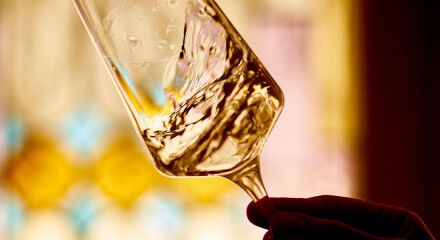
If you’ve already indulged in our previous installment, you’ve tasted just a hint of Champagne’s captivating legacy. Now, let us usher you into the effervescent world of Dom Pérignon himself: a figure cloaked in legend, often credited—albeit not entirely accurately—as the brilliant mind behind the creation of Champagne as we know it. While many love to imagine Dom Pérignon popping the very first cork, the true story is a delicious mosaic of innovation, international rivalry, and the pursuit of perfection.
The tale of Dom Pérignon is not one of a lone genius, but rather that of a visionary collaborator. When he arrived at the scenic Abbey of Hautvillers in the early 1660s, the sparkling wine narrative had already begun to bubble—thanks in part to the ingenious work of the English scientist Christopher Merrett. Merrett had observed English winemakers adding sugar or molasses to induce a magical second fermentation, a technique he presented at a Royal Society meeting in London, edging out Pérignon’s own discoveries by a few years. This Anglo-French debate over sparkling wine’s birthplace only adds extra fizz to the story!
Returning to the heart of Champagne country, Dom Pérignon was charged with a daunting mission as head cellarer at the Benedictine Abbey of Hautvillers: to eradicate the “problematic” bubbles forming after the wine’s first fermentation. At that time, local winemakers yearned for a pristine, still white wine—bubbles were blamed for ruining the taste and, even worse, causing bottles to explode with dangerous force. The unpredictable nature of these lively wines earned them the ominous nickname “le vin du diable” (the Devil’s wine), a testament to their wild, untamed character.
Yet, as the English market would soon reveal, what was deemed a flaw in France became a treasured delight in Britain. The English fell in love with the vivacious sparkle and celebratory character of these wines. It was clear that only someone with Dom Pérignon’s patience, winemaking pedigree, and relentless curiosity could transform this supposed defect into a world-renowned delicacy.
Throughout his remarkable life, Dom Pérignon immersed himself in the art and science of winemaking. His devotion led to countless hours of research, hands-on experimentation, and meticulous observation—all aimed at elevating Champagne to new heights. While the era favored sweeter wines, today’s globally adored Brut Champagne owes much to his pioneering fermentation and bottling techniques, many of which are still celebrated in modern cellars.
Among his most delicious contributions, Dom Pérignon was one of the first in France to employ robust English glass bottles, engineered to withstand the intense pressure of in-bottle secondary fermentation. He also revolutionized bottling by sealing wines with natural corks rather than hardwood stoppers, enhancing preservation and allowing each bottle to become its own tiny laboratory. Perhaps most enchanting of all, he mastered the art of blending grapes from diverse vineyards—creating complex, harmonious cuvées that still define Champagne’s signature style.
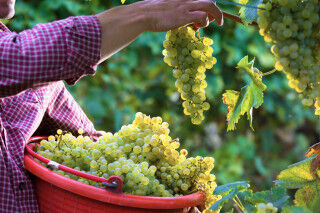
A treatise attributed to Dom Pérignon in the early 1700s set the gold standard for viticulture: harvest during cool, damp mornings; discard any oversized or spoiled grapes; rigorously prune vines to ensure concentration; favor only the finest Pinot Noir; and employ multiple gentle presses to avoid harsh tannins. Even the iconic image of grape-stomping feet was banned in pursuit of purity!
Despite his genius, France’s glassmaking lagged behind England’s until the Industrial Revolution—meaning up to 40% of bottles could be lost to explosions each year. The practical solution? Bottle the first-fermented wine in sturdy English bottles and let the second fermentation work its sparkling magic.
Once Dom Pérignon mastered the intricacies of fermentation, demand surged. The English led the charge, but soon all of Europe clamored for a taste of this exhilarating drink. At first, Champagne was the exclusive domain of the aristocracy, but by the Belle Époque of the 1920s, its effervescent charm had conquered the hearts of the middle class as well. Today, Champagne is the undisputed wine of celebration—an essential for toasts, milestones, and transforming the ordinary into the unforgettable.
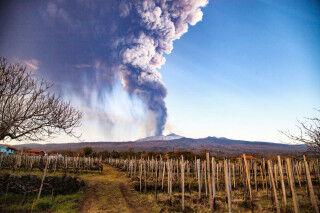
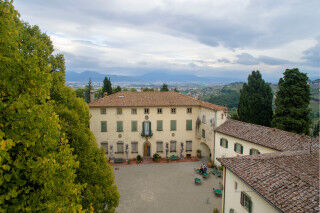
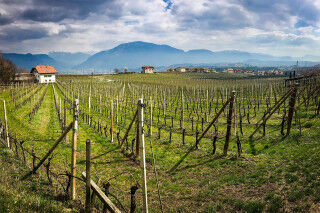
Craving more than Champagne? Embark on a journey through Italy’s legendary wine regions with the Mamablip Video Archives. Savor the rustic beauty of Chianti, or experience the rolling hills and robust reds of Montalcino. Every bottle tells a story—come explore, sip, and be inspired!
Stay inspired and never miss a drop of wine wisdom: sign up below for the exclusive Mamablip Newsletter and unlock a world of flavor, tradition, and culinary secrets from the heart of the kitchen and vineyard.
Who Was Dom Pérignon? The Sparkling Story Behind the World’s Most Legendary Champagne
Embark on a Sensational Exploration of Dom Pérignon’s Life, Passion, and Lasting Influence on Champagne
By Nina BernheimApr 07, 2020