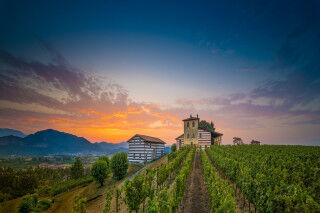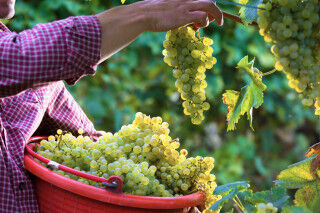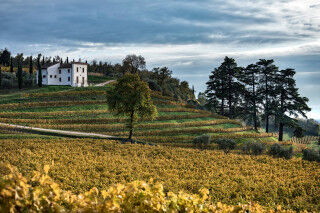
Before disaster struck, the world of wine—in particular, the opulent world of French wines—was enjoying an era of dazzling prosperity. Imagine bustling Parisian bistros, the clink of glasses filled with Bordeaux or the crisp sparkle of Champagne. Wine was not merely a drink, but a cultural ritual. It graced every meal for families across France and was the toast of aristocratic banquets. Demand soared both at home and abroad; markets blossomed from London to New York, and French vineyards became synonymous with sophistication. But this golden age was abruptly halted in the late 1800s. A shadow fell over the thriving vineyards, forcing the European wine world to confront an unexpected crisis—and forever changing its future.
The late 19th and early 20th centuries were an exhilarating time for invention and progress. The world was buzzing with new energy: Kodak cameras captured fleeting moments, Alexander Graham Bell connected continents with the telephone, and the Ford Motor Company made automobiles accessible to the masses. Even the humble paper clip was invented, preventing chaos in offices worldwide. Steamships and the telegraph shrank distances, making travel and communication faster than ever. Stories of intrigue—like the capture of American murderer Hawley Crippen on a steamship, thanks to this new technology—filled headlines, highlighting a world where science promised order and progress. Yet, as history would soon reveal, the rapid movement of people and goods across continents could also carry hidden dangers to the dinner table and wine cellar alike.
In the quest to innovate and strengthen viticulture, European horticulturists began importing North American grapevines. They experimented with grafting, blending native Vitis vinifera vines—the backbone of Europe’s wine tradition since Roman and Medieval times—with foreign species. While this search for hardier vines seemed promising, the genetic uniformity of Europe’s vineyards, all rooted in Vitis vinifera, was a silent risk. These vast monocultures, established by monks and vintners for centuries, lacked natural resistance to new threats. What seemed like a recipe for consistency proved to be an Achilles’ heel—leaving the continent’s treasured vines vulnerable to the unknown.
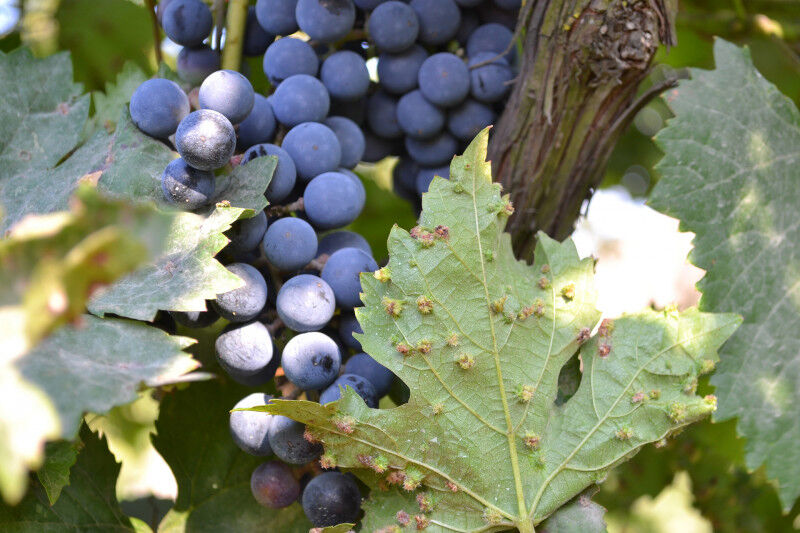
The import of non-native vines quickly became common practice, especially in France. But in the late 1860s, vineyards near the sun-drenched Languedoc region were rocked by calamity. Vines mysteriously withered and died, their roots reduced to lifeless husks. By 1863, desperate vintners watched helplessly as their livelihoods vanished. No sign of disease or pests could be found—just decayed roots and wilted leaves. The true villain was invisible to the naked eye: the relentless phylloxera aphid. This microscopic pest feasted on the roots, draining the life from the vines before disappearing, leaving no trace for growers to find. Ironically, centuries earlier, French colonists in America faced a similar mystery when imported vines died inexplicably, blaming the soil rather than realizing a deadly aphid was at work. This misjudgment would soon come back to haunt the Old World.
As phylloxera spread unchecked, the devastation it wrought was unparalleled. Over a mere 15 years, more than 40% of France’s vineyards were obliterated—an economic and cultural catastrophe. The loss rippled through every level of society, from the smallest village winery to the grandest Bordeaux estates. The cause remained elusive for years, allowing the aphid to travel further, hitching rides across Europe, and eventually reaching as far as Australia and California. While North American vines had evolved natural defenses, the cherished European Vitis vinifera proved utterly defenseless, threatening to erase centuries of winemaking tradition.
Will the world ever fully recover from the phylloxera crisis? Are today’s vineyards still vulnerable to such devastation? The tale of this tiny aphid is far from over. Dive deeper to discover the dramatic battles, ingenious solutions, and lasting changes that saved the wine world—and ensured that the joys of Champagne, Bordeaux, and countless other wines could be savored for generations to come.