As we explored in our previous feature, the world of wine today is nearly unrecognizable compared to just a century ago. Historic milestones—from the global shake-ups of Prohibition to shifting political tides—have reshaped entire wine regions and redefined what’s poured into our glasses. The influence of innovative marketing has made wine accessible not just to connoisseurs and collectors but also to casual sippers and adventurous newcomers. Wine sales are soaring, with bottles gracing tables and picnics in places and moments never imagined before. This truly is a golden era for wine discovery, overflowing with new flavors, styles, and stories. Let’s uncork the wonders of today’s wine scene together and savor its irresistible evolution.
Across the globe, nations like the United States and Australia have harnessed cutting-edge technology to produce impressive quantities of wine. These bottles may not always rival the artisanal magic of a Bordeaux family estate, but they deliver consistency, reliability, and value to the ever-growing middle class. Imagine a world where you can grab a robust Shiraz from South Australia or a crisp California Chardonnay from your local shop—these wines are crafted for everyday enjoyment and easy pairing. Modern marketing and science-driven winemaking have made these approachable wines a staple in homes and restaurants alike. Initially, most of these wines stayed within their home countries, with international sales stifled by daunting export tariffs designed to protect age-old European producers. While the late 1800s saw some progress, true global wine commerce didn’t flourish until the 1970s, when market liberalization uncorked a new era for adventurous wine lovers and bold producers alike.
The collapse of communism and the rise of market-driven economies sparked a dazzling transformation in wine. Suddenly, producers found themselves in a vibrant, high-stakes race to captivate global palates. Some wineries were swept away by the competition, but the most dynamic embraced innovation—rethinking their vineyards, experimenting with new styles, and creating smoother, more universally appealing wines that delighted both novices and aficionados. This shift sometimes meant sacrificing distinctive local character for broad appeal, but it also set the stage for an explosion of creativity and flavor diversity.
By the 1970s, even producers who once focused solely on local markets began crafting wines for the world stage. Take Chile—once 80% of its wines stayed at home, but by 2006, a remarkable 75% was being shipped to thirsty fans across the globe. This transformation was powered by a new commitment to scientific research and by a relentless desire to please a broad, international audience. Today, you can taste a Carmenère from Chile or a Malbec from Argentina and feel the sun, soil, and spirit of their homelands, all thanks to this global shift.
The modern wine stage is now dominated by large corporations wielding vast resources for research and innovation. Their ability to test new fermentation techniques or introduce cutting-edge vineyard management gives them a powerful market advantage. But as the world craves genuine, artisanal experiences, there’s renewed appreciation for family-run estates and boutique wineries. These passionate producers bring authenticity and character to every bottle, creating cult favorites and unforgettable tasting adventures for those willing to seek them out—a delicious counterbalance to the mainstream.
Technological leaps have revolutionized winemaking. Imagine the precision of modern trellising systems, the efficiency of targeted drip irrigation, the science behind optimal vine spacing, and the artistry of selective pruning and late harvesting to coax the fullest expression from each grape. Innovations like malolactic fermentation control, industrial yeasts, stainless steel tanks for crisp whites, and French oak barrels for elegant reds are now standard, producing wines that are more delicious, stable, and age-worthy than ever before.
Still, some wine lovers and critics fear a world of sameness, where every glass tastes interchangeable. Yet, there’s a thrilling movement bubbling beneath the surface—niche wineries fiercely committed to unique, memorable wines that break away from the mainstream. These small-label estates pour heart and heritage into every vintage, offering treasures that delight adventurous drinkers and collectors alike. The wine world is big enough for both: legendary producers and artisanal trailblazers coexisting in harmony, each with stories to share and glasses to fill.
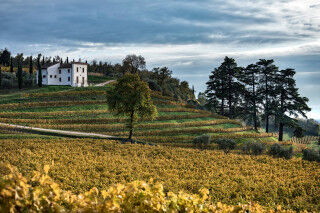
Italy remains one of the world’s most enchanting destinations for wine discovery. Travel the rolling hills of Tuscany, savor the rustic beauty of Piedmont, or wander the sun-drenched vineyards of Sicily—each region tells its own delicious tale. If you’ve never explored the magic of Montalcino, start here to uncover what makes this area—and its prized Brunello di Montalcino—so special.
Let your curiosity guide you further with the Brunello wine tasting series, perfect for both aficionados and newcomers. Brunello di Montalcino lovers, this is your moment to indulge!
Don’t miss a drop: subscribe below for the Mamablip Newsletter and stay on top of the latest in wine, food, and the world’s most delectable stories.