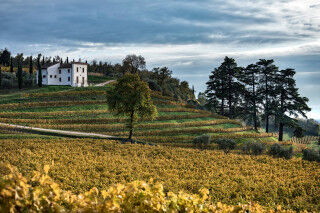
Up until this point, our journey has largely been rooted in the traditions and rituals of Old World wine-making, with the spotlight shining on the sun-drenched European countries surrounding the Mediterranean basin. These lands, rich with ancient vineyards and iconic varietals like Chianti, Bordeaux, and Rioja, set the gold standard for what the world imagined wine to be. But as the curtains lifted on the late 1800s and the world edged into the vibrant 20th century, the wine scene blossomed beyond its traditional cradle. The international stage was set for a dazzling expansion, as an exciting wave of new producers across distant continents began to craft wines worthy of global attention. Some of these countries boasted unique, indigenous grape varieties, often forgotten or replaced by classic vitis vinifera—sometimes unsuccessfully. Their early attempts were modest, but with time, their vineyards flourished, leading to a true explosion in diversity and quality.
This global awakening gave birth to a thrillingly competitive market, where wine lovers suddenly found themselves surrounded by a bountiful array of choices and vivid new places to experience wine culture. For the first time, the world’s palate could savor everything from the bold, fruit-driven reds of Argentina to the aromatic whites of South Africa. However, not everyone enjoyed this renaissance—just imagine living in New Zealand, where savoring a glass of wine in a restaurant was forbidden until 1960, and supermarket sales remained banned until 1990! It was an era bubbling with change and the promise of new flavors and experiences.
The opening decades of the 1800s were a time of adventure and innovation in wine. Picture Brazil lifting its Prohibition on winemaking, thanks to the influence of the Portuguese Royal Family, and the birth of the oldest American winery nestled in the historic soils of the Hudson Valley, New York. Across oceans, Australia began planting vines in lush Tasmania, while South African wine thrived, filling cellars with its unique character. The period also saw the first successful hybridization of grapevines, offering new flavors and resilience, while France witnessed the dramatic Champagne Riots, and Germany revolutionized wine production by patenting the vertical screw press. These innovations and vibrant stories painted the 19th century as an age of daring progress and delicious experimentation.
A key ingredient in this transformation was the movement of people. Waves of European migrants set sail in search of opportunity, carrying with them not only dreams of a better life but also the rich traditions of wine-making and wine appreciation. Their journeys led them to far-flung lands—today’s United States, Argentina, Chile, Brazil, South Africa, and Australia—sometimes by choice, sometimes compelled by circumstance. Wherever they landed, they sowed the seeds of wine culture, transforming regions where wine was once a rarity into vibrant communities deeply connected to their vines and glasses. The migration not only enriched local agriculture with precious viticultural expertise but also introduced the pleasures of wine to dinner tables around the world.
This fierce new demand sent ripples through local economies, sparking a golden age for both domestic consumption and international trade. Immigrants, often seasoned in the art of viticulture, passed on their knowledge, elevating the skills and ambitions of their adopted countries. Bountiful harvests and surging production output became the new norm. The arrival of these pioneers was met with enthusiasm by local merchants, who saw their skills as a ticket to prosperity. As exports climbed and wine flowed across borders, the industry’s global footprint grew ever larger—and so did its profits.
Yet, the road to vinous glory was paved with obstacles. The Prohibition movement in the United States cast a long, dry shadow over American vineyards. Meanwhile, the devastation of the World Wars in Europe and the relentless march of phylloxera and other vineyard diseases threatened the progress of generations. Nonetheless, this era was also a crucible for technological leaps and scientific discovery. Innovations in topography and photography—first developed to monitor the spread of phylloxera in France—ushered in new methods for mapping and managing vineyards, leading to healthier vines and better wines.
As European empires modernized, their colonial holdings in regions such as Algeria, Morocco, Lebanon, and Tunisia underwent a radical transformation. Expansive vineyards took root under the guidance of colonial powers, giving rise to distinctive new wines that, to this day, command respect on the global stage. In the process, many local farmers were displaced, their ancestral lands consolidated into large industrial wine estates. While this shift boosted production and created economic opportunities, it also marked a turning point in the social fabric of wine-growing communities.
Our delicious journey through the evolution of wine doesn't end here. In the next chapter, we’ll uncork the story of how these historical shifts continue to inspire and shape today’s most exciting wine trends. Join us to savor the ongoing legacy of the 19th century in every glass you raise!
19th Century Wine: A Global Renaissance of Flavor
How Did the World's Wines Flourish and Transform in the 19th Century?
By Nina BernheimApr 06, 2020