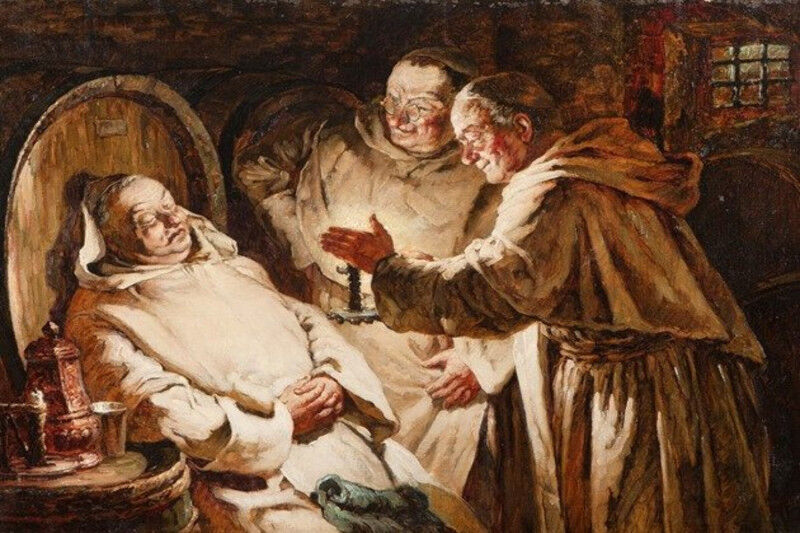
Let’s step into the vibrant and mysterious world of the Middle Ages, a time often shrouded in the mists of legend and intrigue. Amidst the echo of cathedral bells and the quiet rustle of ancient manuscripts, it was the monks who emerged as the true custodians of knowledge. These spiritual scholars didn’t just pray and meditate—they meticulously chronicled the events of their time, preserving the world’s collective memory when few others could. In particular, the dedicated French monks of renowned orders such as the Cistercians and Benedictines became the living libraries of their age, recording everything from theological debates to the secrets of the vineyard. Their records are not just historical relics; they are the golden keys that unlock the story of how wine, with all its culture and tradition, survived and flourished.
At the heart of this story are the Cistercian monks, whose disciplined lifestyle and relentless curiosity led to the birth of modern terroir. During times of peace and abundance, their vineyards became outdoor laboratories, where three revolutionary practices took root:
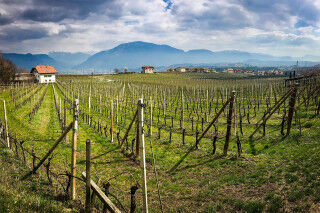
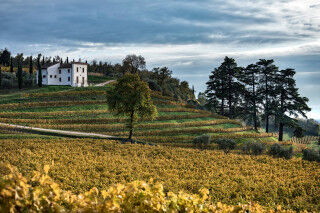
- Climate Awareness: By studying the unique interplay of sun, wind, and rain on their plots, the monks identified the profound influence of microclimates. This knowledge allowed them to select the perfect land for their vines—each plot offering a distinctive character, much like the famed Grand Crus of Burgundy today.
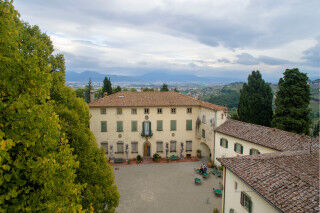
- Clos: These are not just any vineyards, but sanctuaries surrounded by stone walls. The clos protected precious grapevines from hungry wildlife and harsh winds, creating a unique environment where the soul of each grape variety could shine. Even now, legendary wines like Clos de Vougeot trace their roots to these medieval innovations.
- Cru: The monks’ devotion to detail led them to single out vines that year after year delivered grapes of exceptional quality and personality. This careful selection gave birth to the concept of the cru, a celebration of nature’s finest expressions bottled for future generations to savor.
The brilliance of the Cistercians didn’t stop there. They pioneered the idea of varietals—wines crafted predominantly from a single grape type—and explored the intimate relationship between vine and environment. Their approach to pruning was revolutionary, focusing on coaxing out the highest quality fruit instead of simply increasing the yield. The invention and refinement of the wine press was another game-changer, allowing them to extract pure, complex juice from the first pressing. Instead of masking their wines with spices or water, as was common in earlier eras, the monks championed wines that were elegant, undiluted, and bursting with character—much like the celebrated Pinot Noir and Chardonnay of today’s Burgundy.
As the centuries passed, both private producers and the monastic community found themselves at the center of an exciting new chapter: international trade. With ports like Bordeaux thriving, the demand for robust, shippable wine from England and across Europe soared. Monks and vintners responded by emphasizing grape quantity and filling ever more barriques and tonneaux—barrels that could survive the tumultuous journey across the English Channel. Sales skyrocketed, and wine once again became a symbol of prestige and sophistication, gracing the tables of nobles and royalty alike. Though this focus sometimes tipped the balance toward quantity over quality, the foundation for Europe’s celebrated wine trade was firmly established.
The magic of wine soon crossed oceans. By the late 1700s, Catholic missionaries—driven by the need for sacramental wine—carried the grapevine to the New World. The first vineyards of what would become the iconic California wine country were planted, sowing the seeds for a new era of winemaking excellence. Thanks to these passionate pioneers, the legacy of monastic innovation blossomed on distant shores, captivating palates from Napa Valley to Sonoma and beyond.
It’s no exaggeration to say that Medieval monks of Western Europe rescued wine from the darkness of neglect and brought it into the radiant world of today. Their devotion to perfecting every aspect of winemaking and vineyard management has shaped the history of viticulture. Through centuries of trial, error, and remarkable discovery, they’ve provided the priceless groundwork upon which our present-day wine culture rests. Imagine a world without the delicate elegance of a Chablis or the profound depth of a Bordeaux—it simply wouldn’t exist without their tireless devotion.
The next time you raise a glass of exquisite wine—perhaps paired with a plate of creamy Pecorino Toscano or fragrant Prosciutto di Parma—offer a silent toast to these visionary monks. Their legacy continues to delight and inspire, one delicious sip at a time. Here’s to the keepers of the vine!
Ready for more? Dive into the twists and turns of wine’s journey through post-medieval Western Europe here. Discover how wine weathered storms and emerged as an essential part of Mediterranean dining. Find more stories here!
Craving more delicious tales? Explore the Blog Index for captivating stories of Italian food and wine history. And don’t forget to sign up for the Mamablip Newsletter to stay in the loop with kitchen secrets, vineyard adventures, and much more, all perfectly paired with your next great glass of wine!