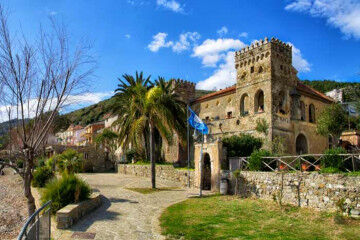
Picture yourself in Pioppi, a charming fishing village where a handful of sun-kissed houses hug the azure shoreline, embraced by the wild beauty of the Mediterranean scrub. This unspoiled corner of southern Italy is not just a feast for the eyes—it's the heart and soul of the world-renowned Mediterranean Diet. While the concept may sound simple, it’s actually the product of decades of scientific exploration and culinary tradition. Nestled within the Cilento National Park in the Vallo di Diano, Pioppi became the home and laboratory of the visionary Ancel Keys, an American physiologist and biologist whose passion for health, flavor, and longevity sparked a revolution in how the world eats.
The Flavorful Origins of the Mediterranean Diet
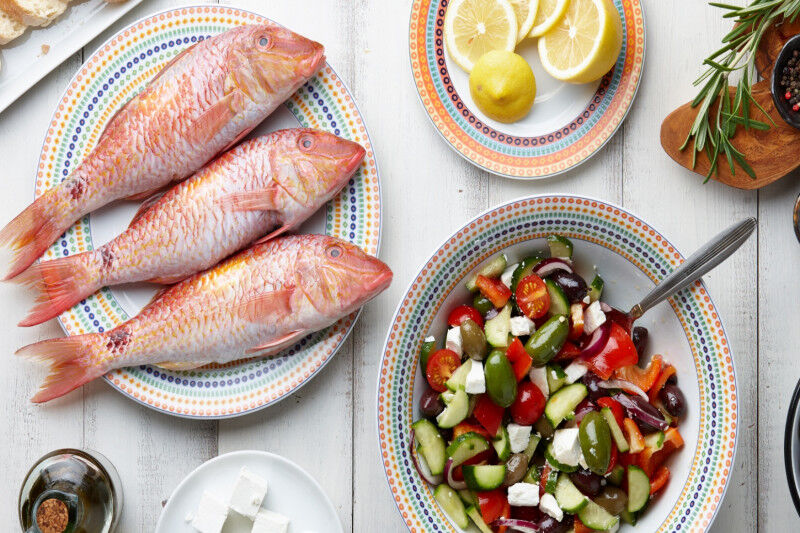
In the midst of World War II, Ancel Keys was working with American troops and famously developed the K rations for the US military. But it was his decision to settle in Pioppi that changed the course of nutrition history. Here, he embarked on a 40-year journey to uncover why the people of Cilento enjoyed such robust health and longevity. The secret? A daily menu bursting with the goodness of fresh bread, hand-rolled pasta, vibrant vegetables, creamy legumes, glistening fish plucked from the sea, sun-ripened fruit, and the golden richness of extra-virgin olive oil, all while meat was consumed sparingly. The result was a dramatic reduction in heart and digestive diseases—a discovery that would forever change the science of nutrition. Keys meticulously documented these local eating habits, creating a detailed blueprint for what we now know as the Mediterranean Diet: 60% carbohydrates (with most from wholesome grains like whole-wheat bread, pasta, rice, and corn), 15% protein, and 30% healthy fats (mainly olive oil), plus a kaleidoscope of fruits and vegetables.
Decoding the Mediterranean Food Pyramid
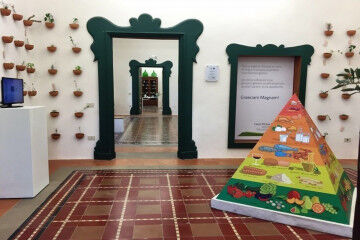
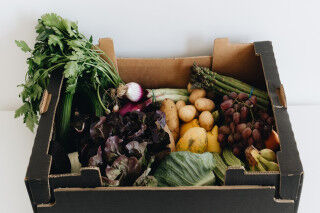
The Mediterranean Diet isn’t just a shopping list—it’s a joyful, balanced lifestyle, visualized as a dazzling food pyramid. At its base lie the foods meant to be relished daily: pure water; crusty, aromatic bread; silky pasta; earthy potatoes; fluffy rice; and a rainbow of cereals. Climb one step higher and you’ll find the abundance of fruits, crisp vegetables, and nourishing legumes like chickpeas and lentils. The next tier celebrates the lusciousness of extra-virgin olive oil, creamy milk, and artisan dairy products. Ascending further, savor the delicate flavors of eggs, lean white meats, and ocean-fresh fish. At the very top—reserved for special occasions—are indulgent bites of red meat and decadent desserts. This pyramid is more than structure—it’s a celebration of seasonality, moderation, and pleasure at every meal. Nutritionally, it’s a prescription for a long, healthy life: low in saturated fats, rich in fibers and complex carbs, and abundant in those “good” monounsaturated fats from olive oil.
The Power and Pleasure of Mediterranean Ingredients
At the heart of Mediterranean cuisine is the liquid gold of the region—extra-virgin olive oil. This extraordinary product, brimming with polyphenols, acts as a powerful antioxidant and anti-inflammatory, shielding the heart and arteries from harm. The diet is a celebration of the seasons: biting into a juicy tomato in summer, savoring roasted eggplant in autumn, or enjoying the crunch of fresh lettuce in spring guarantees a daily supply of vital minerals and vitamins, all with fewer calories. Even the snack platter is elevated: a handful of walnuts or almonds, loaded with polyunsaturated fats, works wonders for your arteries. No Mediterranean table is complete without durum wheat—the secret behind Italy’s world-famous pasta, which fuels the body with energy while whole grains add fiber and minerals for a happy gut.
Raise a glass to tradition: a splash of red wine at mealtime is typical throughout the Mediterranean, delivering heart-healthy polyphenols and making every meal a celebration.
More Than a Diet: A Sustainable Mediterranean Way of Life
In 2010, the Mediterranean Diet was honored as a UNESCO Intangible Cultural Heritage, a testament to its impact on both health and culture. This is more than a food regimen—it's a way of life, deeply woven into local production, community traditions, and a respect for nature’s rhythms. The Mediterranean way is inherently sustainable and eco-friendly, rooted in a mostly plant-based approach and the celebration of fresh, local, seasonal ingredients. The evidence speaks for itself: Italy boasts the highest life expectancy in the European Union, with an average lifespan of over 82 years, thanks in part to this delicious, balanced cuisine. Imagine sharing a meal with family and friends, savoring bread, pasta, vibrant vegetables, savory meats, luscious olive oil, and a traditional glass of wine—this tradition is at the heart of Italy’s record-breaking longevity.
The Cilento Secret: A Recipe for Longevity
The sun-soaked hills of Cilento are renowned for their population of centenarians, an enduring testament to the region’s nourishing lifestyle. Landmark research by the University of California San Diego School of Medicine and University of Rome La Sapienza has revealed that Acciaroli, a quaint fishing hamlet near Pioppi, rivals Okinawa for the number of residents over 100 years old. These studies show that the secret to a long life is not just what you eat, but also how you live: respecting the wisdom of elders, eating slowly, savoring good food, and enjoying the company of others. The Cilento method is a reminder that delicious food, fine wine, and a gentle pace of life can help us all disconnect from daily stress and reconnect with what matters most.
Discover Mediterranean Heritage at the Pioppi Museum
If you’re hungry for more, Pioppi invites you to explore the Mediterranean Diet Museum inside the stately Palazzo Vinciprova. Here, you’ll immerse yourself in the legacy of Ancel Keys through fascinating artifacts, his original research, and oral histories from locals who have lived the Cilento way for generations. The museum is hands-on and interactive: knead dough for traditional cavatielli pasta, sample the subtle flavors of different extra-virgin olive oils, and discover how Mediterranean plants like the Vatolla onion were used not only in the kitchen, but also to create natural dyes for textiles and art. It’s a living celebration of culinary, nutritional, and cultural treasures.
Modern Mediterranean Cuisine: Honoring Tradition in Every Bite
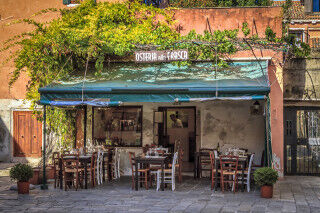
Many of the beloved ingredients and time-tested recipes are woven into the daily menus of Delia Morinelli, the legendary cook who once worked alongside Ancel Keys. At her cozy Pioppi eatery, "A Casa di Delia", guests are welcomed onto a terrace shaded by strawberry grape vines, overlooking the sparkling sea. Delia’s kitchen is a celebration of the Mediterranean’s bounty—her dishes, always meat-free, shine with just-picked garden vegetables and the freshest catch from the Tyrrhenian Sea. Don’t miss her signature alici a maruzzella (anchovy rolls with breadcrumbs, olive oil, and garlic)—a dish that transports you straight to the Cilento coastline. Inspired by the oral traditions of her ancestors, Delia’s cuisine demonstrates that the world’s most delicious diet is also its healthiest.
Ready to taste the Mediterranean for yourself? Explore guides on choosing the best extra-virgin olive oil, browse our collection of Mediterranean recipes, and discover perfect food and wine pairings for every occasion. Subscribe to our newsletter for fresh articles, inspiring recipes, and the latest in Italian food and wine news!