Let’s journey back to the enchanting days of the Middle Ages, when the dedicated monks of Western Europe were true pioneers in the world of wine. These scholarly monks didn’t just produce wine – they meticulously studied the land, experimented with grape varieties, and documented their findings. Their unwavering devotion laid the foundation for what would become some of the world’s most renowned winemaking traditions. Thanks to these early visionaries, the art of viticulture took root, shaping the rich tapestry of flavors we savor in today’s wines.
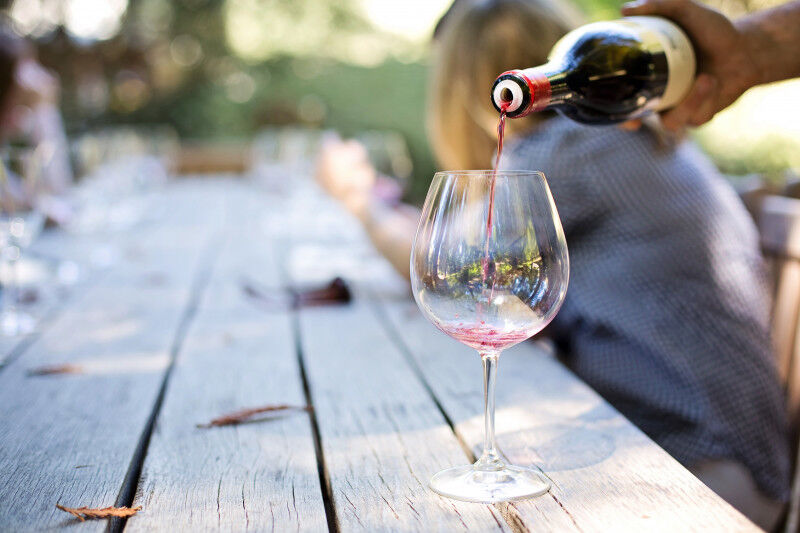
Today, we’re diving deep into the allure of French Cru wines – but did you know the word Cru also tantalizes other gourmet worlds, such as artisanal chocolate and craft beer? In fact, pairing a piece of decadent dark chocolate with a bold, expressive Super Tuscan wine can create an explosion of flavors, elevating both to new heights. Picture the silky, bittersweet notes of chocolate dancing with the luscious, fruity aromas of fine wine – a match made in gastronomic heaven!
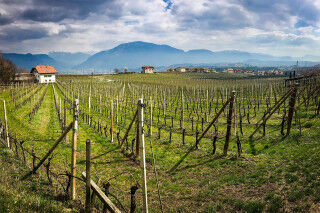
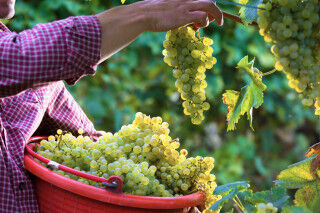
Originally, "Cru" was a French term for anything nurtured from the earth – think plump fruits, crisp vegetables, fragrant honey, or creamy cheese. Over centuries, the wine world adopted this term to classify and celebrate wines grown in specific, exceptional vineyards. Today, "Cru" has become a coveted label, signaling an elite standard and unique character tied to a vineyard’s geography, climate, and soil. Learning to recognize "Cru" designations unlocks a map to some of the most distinguished wines, guiding you to regional treasures that perfectly match your palate and occasion.
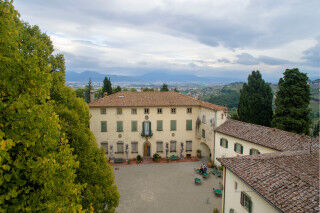
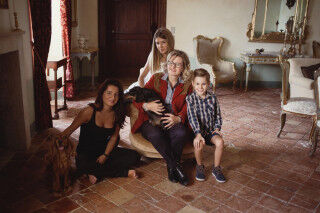
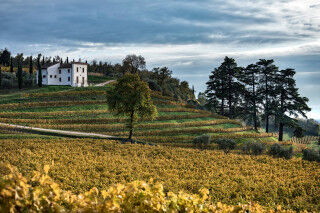
But is the prestigious title of "Cru" reserved only for French wines, or does its meaning transcend borders? The answer is both complex and fascinating. While the notion of "Cru" is deeply rooted in the concept of terroir—the magical interplay of microclimate and soil—its philosophy is universal. Take the illustrious Frescobaldi family in Italy, for example. To them, "Cru" means "to believe"—not just to grow—reflecting their confidence in the quality and legacy of their wines. Their approach is beautifully simple: if a winery consistently crafts exceptional wines for over 20 years, it deserves the honor of being called a "Cru." This belief is a testament to the power of passion, perseverance, and trust in one’s craft.
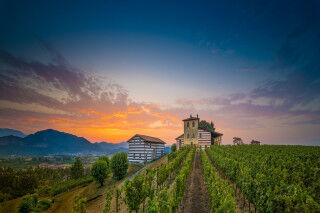
Inspired by this philosophy, Frescobaldi and over 35 distinguished wine producers united in 2007 to establish the Grand Cru Committee of Italy. This elite group welcomes only those wineries with a proven legacy—at least two decades of excellence, trusted by both connoisseurs and everyday wine lovers. Although international law restricts the official use of "Cru" to French wines, this committee’s vision is to shine a global spotlight on Italy’s most revered vineyards and celebrate their uncompromising quality. The term may be a matter of marketing, but the passion and pride behind these wines are unmistakably real.
Craving more delicious wine wisdom and exclusive updates? Don’t miss out—sign up for Mamablip’s newsletter below and immerse yourself in the vibrant world of wine, food, and unforgettable pairings!