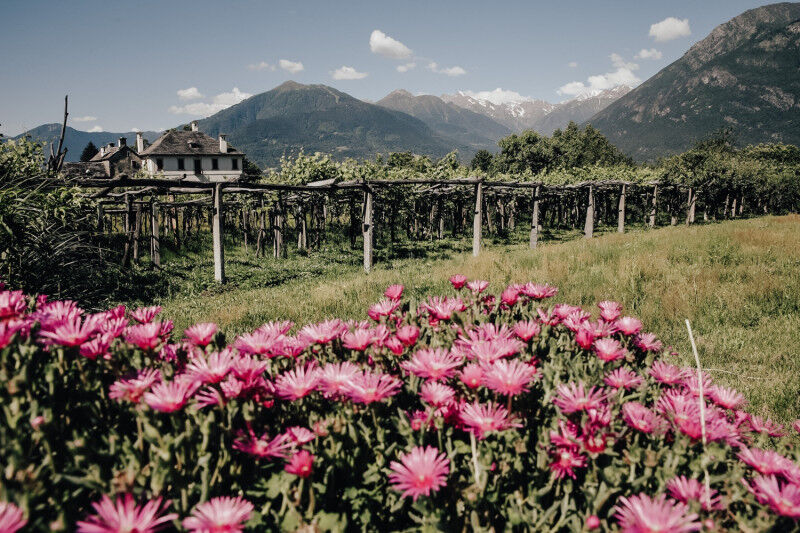
Challenges and Triumphs of Viticulture in the Mountains
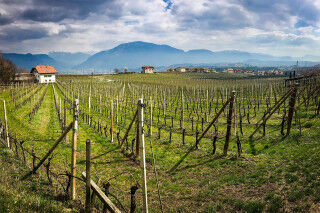
When pondering the northern reaches of Piedmont, it's tempting to view Alto Piemonte as a rugged, purely mountainous region. While partially accurate, this perception only scratches the surface. The imposing presence of the Monte Rosa Massif has profoundly shaped the landscape, culture, and agricultural approaches here, earning the area a reputation for "heroic viticulture"—a term that celebrates the resilience and ingenuity required to grow grapes under such demanding conditions.
But this story is about more than just steep slopes. The vineyards that unfurl before the Valais Alps are a testament to humanity’s age-old partnership with the land. Defining mountain viticulture as "heroic" isn’t hyperbole—it reflects the reality of the unique obstacles winemakers face, from the unforgiving terrain to the relentless battle against soil erosion.
Manual labor is essential, but it’s the deep-rooted knowledge and patience—knowing how to tame and nurture these wild hills—that makes Alto Piemonte’s viticulture truly remarkable. The dedication required to sustain vines here is awe-inspiring and continues to captivate wine lovers and adventurers alike.
To discover more about the wines shaped by this extraordinary region, read the in-depth article Stirring Wines of Alto Piemonte Reflect Local Lands.
Alto Piemonte: A Landscape of Hidden Vineyards and Natural Splendor
Traveling along the Sesia River, you’ll find a landscape defined more by rolling hills than soaring peaks. It’s not until you reach Val d’Ossola that the unmistakable mountain character becomes apparent, and the traditional vine training systems—known locally as topia—reveal themselves.
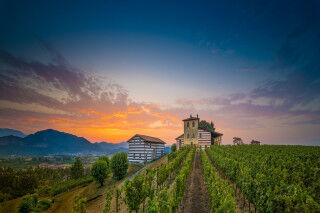
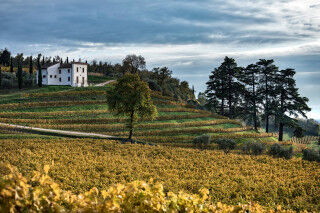
Viticulture here is discreet and fragmented; vineyards are tucked away, often concealed by lush forests and thriving biodiversity. This landscape has changed dramatically since the post-World War II industrial boom, which transformed a region once dominated by vineyards that lined streets and home gardens.
Historically, winemaking in Alto Piemonte was focused on sustenance and quantity. Today, it’s evolved into a pursuit of quality, with a renewed appreciation for the land and its heritage.
If Nebbiolo is your passion, take a journey further with Nebbiolo Alpine Wines – Mountain-based Beauty in a Bottle and discover more alpine expressions.
Nebbiolo’s Enduring Impact on Alto Piemonte
The area under vine in Alto Piemonte has shrunk dramatically—from over 45,000 hectares in the early 1900s to just above 600 hectares today. Yet, despite this contraction, Alto Piemonte has secured a place of prestige on both the Italian and global wine stage, especially among Nebbiolo enthusiasts. Locally, Nebbiolo is referred to as Spanna or Prünent in Val d’Ossola.
The region’s soils are a geological mosaic: glacial moraines, sands, granites, and pink porphyries, all sharing a signature high acidity. These mineral-rich soils impart distinctive saline complexity and structure to the wines.
Elements like potassium, iron, and magnesium are abundant, contributing to the celebrated profile of Nebbiolo. This grape is famous for its long growing season—it’s the first to bud and the last to lose its leaves—which exposes it to the vagaries of mountain weather but also enables a slow, steady ripening that builds depth and nuance in the wine.
Nebbiolo’s demanding nature requires the best vineyard sites, optimal exposure, and the patience to let its flavors mature fully. The historical and technical evolution of Nebbiolo in Alto Piemonte is a fascinating case of adaptation, resilience, and innovation.
For those eager to explore more mountain wine regions, the Valle d’Aosta offers another compelling chapter in Italy’s alpine wine story. Discover its treasures here.
Nebbiolo Wines to Discover Now
In Alto Piemonte, Nebbiolo often stands alongside other indigenous varieties, such as Vespolina, Uva Rara, and Croatina, creating complex blends with both austere and vibrant characteristics. While some bottles retain a rustic edge, others evolve into beautifully nuanced wines.
If you’re looking for standout bottles ready to enjoy now, these three labels exemplify the region’s excellence:
- Edoardo Patrone 2019 Valli Ossolane Nebbiolo Superiore DOC Stella Prünent
- La Palazzina 2016 Bramaterra DOC Balmi Bioti
- Gilberto Boniperti 2017 Fara DOC Barton