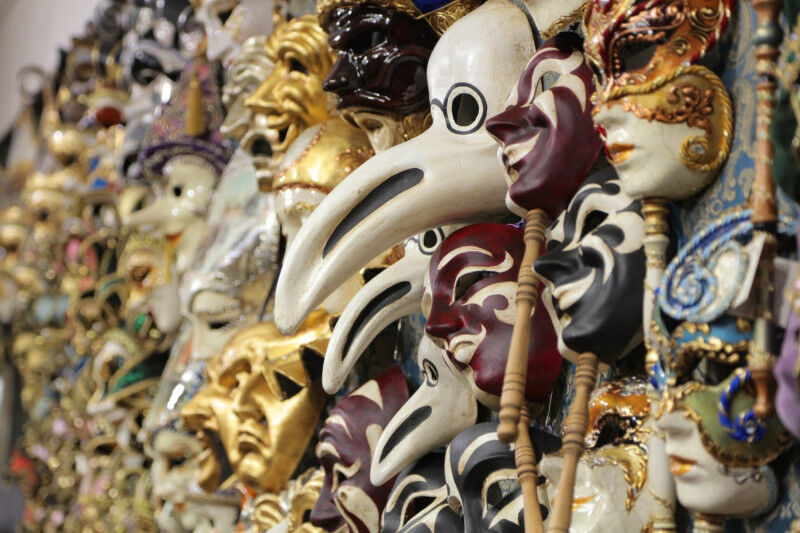
Embrace a Carnival of Indulgence: Guilt-Free Joy in Every Bite
Let’s be honest—phrases like "the odd overindulgence" are relics of diet culture that have no place at the Carnival table! In Italy, Carnevale is the one time of year when everyone is encouraged to celebrate abundance, set aside restrictions, and fully enjoy life’s sweetest pleasures. Historically, Italy’s approach to food balanced discipline—especially in preparation for Lent—with moments of genuine excess. The period just before Lent was seen as the perfect opportunity to break the rules, gather with loved ones, and feast on sumptuous desserts that brought communities together and warmed the heart. Carnival sweets are a delicious reminder that life is for celebrating, not for feeling guilty!
What Unites Traditional Italian Carnival Sweets? The Magic of Fried Dough
The Latin proverb semel in anno licet insanire—“once a year you can go mad”—truly captures the playful spirit of Carnevale. This celebration echoes the ancient Roman Saturnalia, a festival where societal rules were relaxed and people gave themselves permission to indulge. At the heart of both traditions is dough—lovingly kneaded, shaped, and deep-fried until golden. Whether dusted with powdered sugar or drizzled with honey, these sweets are more than just treats—they’re a symbol of festivity, unity, and joy. Across Italy, the act of making these desserts is a cherished family ritual, with every region adding its own special touch to the art of frying.
Italy’s Carnival Sweets: A Tempting Regional Tour
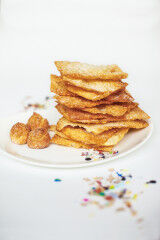
Italy’s Carnival desserts may look alike, but each region gives them its own identity and flavor. Throughout Lombardy, you’ll find Chiacchiere—crisp, golden ribbons of dough dusted with snowy powdered sugar, filling the air with sweetness in Milan during the festive weeks. In Tuscany, these crispy delights become Cenci, while in Emilia-Romagna they’re known as Frappe. Northern Trentino calls them Cròstoli, Piedmont boasts Bugie, and in vibrant Veneto, the same treats are paper-thin and called Galani, often enjoyed alongside a glass of crisp Prosecco.
Each region’s Carnival table tells its own story: in Liguria, Bugie are finished with a delicate lemon zest; in Umbria, honey-laden Strufoli glisten in the sunlight; while Puglia serves up Sfrappe with a satisfying crunch. The joy of Carnival is that, no matter where in Italy you go, you’ll find families proudly preparing their regional version—each bite a testament to local history and creativity.
Chiacchiere: Italy’s Sweetest Carnival Connection
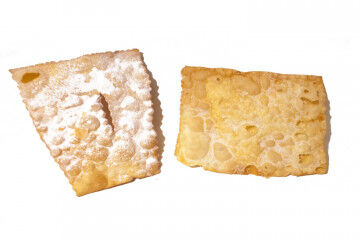
The basic recipe for Chiacchiere—sometimes known as Angel Wings—is delightfully simple: flour, butter, sugar, eggs, and sometimes a hint of lemon or orange zest. The dough is rolled paper-thin, cut into strips or diamonds, then fried until puffed and crisp. A generous cloud of powdered sugar finishes them off, making them irresistible. Yet, every region fiercely believes their version is the best—Veneto’s Galani are famously light and delicate, while Milan’s Chiacchiere are heartier and more substantial. In Erba, near the picturesque Lake Como, the renowned Sartori pastry shop satisfies every craving by offering both interpretations.
These treats aren’t just modern inventions—they have ancient roots. Chiacchiere descend from the Roman Frictilia, a sweet once prepared to honor Saturnalia. To this day, every bite is a bridge to centuries of Italian festivity, uniting generations in joyous tradition.
Chiacchiere Today: A Playground for Creative Pastry Chefs
Contemporary Italian pastry chefs continue to innovate, adding irresistible twists to Carnival’s classic sweets. At the Perugina School of Chocolate, Alberto Farinelli has crafted Chiacchiere Golose: crumbly ribbons of pastry dipped in silky chocolate cream, blending Italian tradition with the decadence of Spanish Churros. Across the country, bakers experiment with orange zest, pistachio cream, or a drizzle of locally produced dessert wine, making each batch unique.
Even the signature wavy edges of Chiacchiere are more than decoration—they allow steam to escape during frying, guaranteeing a crisp, bubbly finish. Without these edges, the treats would resemble pancakes rather than the delicate, golden pastries we crave. Every detail is a celebration of Italian pastry artistry.
Castagnole: Little Bites of Carnival Bliss
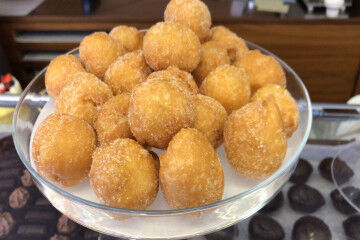
Equally cherished are Castagnole, plump golden balls named for their resemblance to chestnuts (castagne). These little wonders are made from sweet, soft dough—sometimes enriched with ricotta or liqueur—shaped into small rounds and fried until perfectly crisp outside and tender inside. Still warm, they’re rolled in granulated sugar, creating a sparkling, crunchy shell that gives way to a pillowy center.
Some Castagnole are left plain; others are filled with luscious jam, creamy pastry cream, or decadent chocolate. In Milan, you’ll encounter Tortelli or Farsòe, sometimes enhanced by adding diced apples to the dough—an inventive twist known as Laciaditt, made famous by the celebrated Martesana pastry shop. Each bite is a burst of flavor, especially when paired with a sweet Moscato d’Asti or Vin Santo from Tuscany.
The Heart of Carnival Sweets: Saints, Legends, and Family Gatherings
The roots of Carnival’s sweet traditions are intertwined with both religion and folklore. Saint Joseph’s Day on March 19 is a focal point: families gather to share a bounty of treats, symbolizing generosity and abundance. Food historians Lydia Capasso and Giovanna Esposito, in their book Santa Pietanza (Guido Tommasi Editore), recount legends of Saint Joseph hosting the Three Kings with only makeshift pancakes, turning necessity into a cherished custom. These stories echo in kitchens across Italy as families prepare mountains of Carnival sweets for loved ones and neighbors.
In Naples, Carnival means the arrival of the legendary Zeppole di San Giuseppe: pillowy, fried doughnuts dusted with sugar or, even better, filled with rich vanilla pastry cream and topped with syrupy black cherries. Their golden color and sumptuous filling make them a feast for the eyes and the palate. Enjoy them with a glass of fragrant Limoncello or Passito di Pantelleria—the ultimate Neapolitan Carnival experience.
Carnevale in Italy is more than a festival: it’s a celebration of heritage, creativity, and the simple joy of sharing something sweet. Every treat is a story, every bite a piece of history, welcoming all to savor, celebrate, and make unforgettable memories year after year.