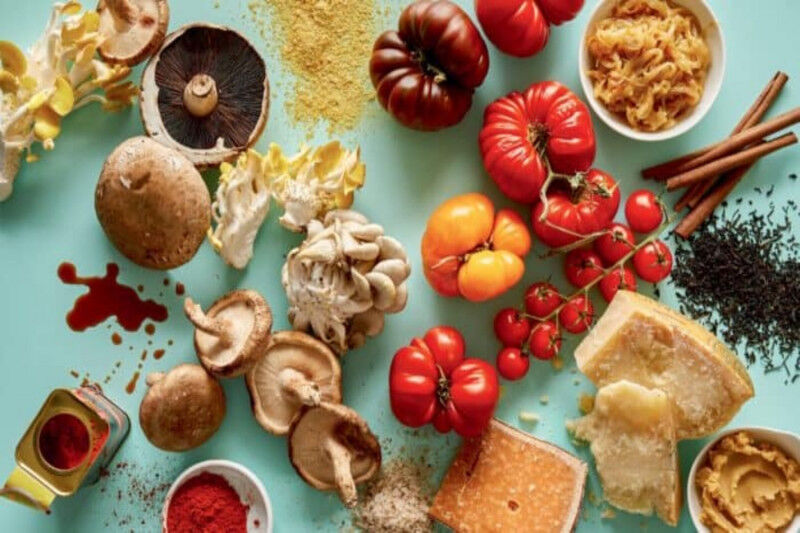
Salty, sweet, sour, bitter: these are the four basic tastes most of us learn about early on. Yet, as anyone with a stuffy nose can attest, our gastronomic world feels remarkably narrow when we're limited to just these sensations. The universe of flavor, in reality, is far more expansive—and Umami is the key to unlocking its richness.
The Science and Discovery of Umami: A Treasure From the Deep
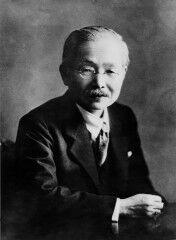
In 1907, Japanese chemist Kikunae Ikeda of the Tokyo Imperial University embarked on a groundbreaking study of the kombu seaweed his wife used to prepare dashi, the foundational broth in countless Japanese dishes like the celebrated miso soup. Through meticulous chemical analysis, Ikeda isolated glutamate, a naturally occurring amino acid, and identified its distinctive, mouthwatering depth. He named this sensation umami, from the Japanese word meaning "deliciousness" or "savory taste." This fifth taste joins the classic four and is now recognized as a critical element of flavor perception worldwide.
By 1908, Ikeda had patented the extraction of monosodium glutamate (MSG), introducing it as a revolutionary flavor enhancer. MSG quickly became an essential ingredient in international cuisine, due to its remarkable ability to amplify and round out the flavors of a dish.
While extra-virgin olive oil may not be renowned for its umami content, it's a pillar of the Mediterranean diet, prized for its ability to complement and elevate the flavors of umami-rich ingredients. Dive deeper into this versatile staple by reading Inspiring Women: Extra-Virgin Olive Oil Boosts Women.
MSG and the Myth of "Chinese Restaurant Syndrome"
Despite its culinary merits, MSG has faced unwarranted controversy. The so-called "Chinese Restaurant Syndrome"—a collection of symptoms like headaches and tingling supposedly caused by MSG in Chinese food—was born from questionable studies in the 1960s. These included experiments where animals were given unrealistically high doses of MSG, far beyond typical dietary exposure. Modern research has thoroughly debunked these claims, revealing the myth to be rooted in pseudo-science and, at times, xenophobic bias.
If you ever feel sluggish after a large meal, consider sampling one of Italy's traditional digestifs. These unique concoctions have a long history of aiding digestion and reviving the senses. For a fresh perspective, check out Baldinini Liquorificio Inspires Italy’s Vermouth Makers.
The Ubiquity of Umami: A Taste With Ancient Roots
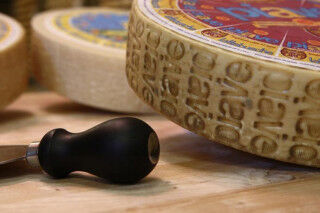
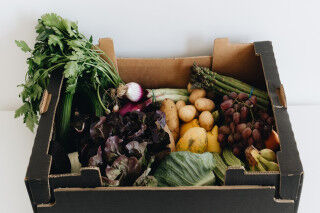
Umami isn't limited to Asian cuisine—it's a defining component of beloved Italian classics. Parmigiano Reggiano, for instance, is one of the world's richest natural sources of glutamate, releasing a complex, savory flavor with every bite. Other umami powerhouses include reduced meat broths, earthy porcini mushrooms, and deeply caramelized roasted vegetables. The secret behind these flavors often lies in the Maillard reaction and slow cooking, which create savory compounds that delight the palate.
Even the ancient Romans had a taste for umami: their prized garum—a fermented fish sauce—was considered a culinary delicacy. Today, its modern descendant, colatura di alici, brings a bold hit of savory depth to pasta and vegetable dishes. And let's not forget the humble anchovy, a staple in Piedmontese recipes like bagna cauda, used to impart a unique, umami-rich kick to countless dishes.
Modern Umami: Culinary Artistry and Innovation
In 1995, acclaimed chef Massimo Bottura of Osteria Francescana introduced "The Five Ages of Parmigiano Reggiano in Different Textures and Temperatures"—a dish that explores multiple stages of aging to showcase the evolving umami profile of Parmigiano Reggiano. Through inventive culinary techniques, Bottura demonstrates that umami is not just a taste, but an experience that can be layered, contrasted, and celebrated.
Italy's passion for cheese even finds expression in events like the annual Cheese festival in Bra, where food lovers explore the full spectrum of umami sensations found in the country's iconic cheeses. Discover more by reading Italy’s Cheese: Not Just Food but a Festival of Flavors.
While our appreciation of many flavors is shaped by cultural exposure—what some call "acquired tastes"—the appeal of umami is universal. In fact, the very first food we ever taste, mother’s milk, is naturally rich in umami, connecting this profound flavor to our earliest experiences of comfort and nourishment.
Stay inspired and informed by subscribing to our newsletter—your gateway to the world of taste, tradition, and innovation.