The Story of Borgogno: From 18th-Century Roots to Global Renown
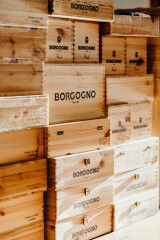
The saga of Borgogno & Figli, a true gem in the Piedmont landscape, begins in 1761, when Bartolomeo Borgogno established the estate in the picturesque hills of the Langhe. Over generations, Borgogno flourished, its reputation growing under the stewardship of Giacomo and Eugenio Giuseppe, whose commitment transformed the winery into an institution of national significance. Their wines became the toast of major events, such as the 1861 Italian Unification celebrations and the grand banquet for Tsar Nicholas II of Russia at Racconigi Castle, solidifying Borgogno’s position as a producer of some of Italy’s most prized Barolo.
The 20th century ushered in a golden era under Cesare Borgogno, whose leadership from 1920 not only expanded the estate’s iconic cellars but also propelled Borgogno’s wines onto the international stage. Cesare’s visionary practice of reserving 20% of standout Barolo vintages for two decades of aging was revolutionary, setting a new standard for excellence and longevity.
After Cesare’s passing in 1968, the Boschis family continued to nurture Borgogno's legacy, ensuring that every bottle told the story of centuries of passion, vision, and the magical terroir of the Langhe.
Oscar Farinetti and the Rebirth of Borgogno: Tradition Meets Innovation in the Langa
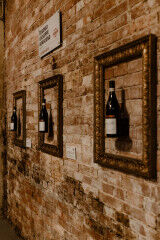
A seismic shift came in 2008, when Oscar Farinetti—the charismatic founder of Eataly—acquired Borgogno in a move that electrified the wine world. Critics feared the soul of this traditional winery would be lost, yet Farinetti’s stewardship has been a masterclass in respecting tradition while embracing the future. Through careful restoration of the historic cellars and main estate, the original spirit remains untouched, echoing through the vaulted brick corridors where legendary vintages age.
The real heartbeat of this new era is Andrea Farinetti, Oscar’s youngest son. Armed with a fresh degree in oenology and boundless curiosity, Andrea has championed classic winemaking methods—extending macerations, using large Slavonian oak barrels, and fermenting in cement vats. Borgogno’s portfolio now shines with the enduring elegance of Barolo, each bottle adorned with the iconic black-and-white label, while the estate itself has blossomed to 31 hectares of vineyards and 10 hectares of native woodland.
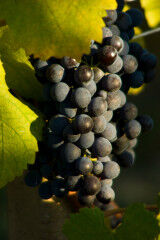
The estate’s prestigious crus—Cannubi, Cannubi San Lorenzo, Liste, Fossati, and San Pietro delle Viole—produce some of the most sought-after Nebbiolo in the world, while Dolcetto, Barbera, and Freisa round out the reds. On the white side, Borgogno has ventured into Riesling and, most boldly, devoted 3 hectares in the Tortona area to Timorasso, betting big on the rise of the Derthona denomination.
Tradition, Technology, and Sustainability: A Delicious Balancing Act
Perhaps the most radical decision made by the Farinetti family has been to fiercely protect Borgogno’s traditions, even as they usher in a modern organic approach. Between 2016 and 2019, the estate underwent a meticulous organic conversion, reflecting a deep commitment to sustainability and terroir.
Today’s Borgogno Barolo stands as a beacon of classicism: rugged, austere, and breathtakingly age-worthy, crafted through prolonged maceration, submerged cap fermentation, and natural yeasts. The wines then slumber for years in Slavonian oak, developing the depth and finesse that define the house style.
The flagship Barolo (with an annual production of about 60,000 bottles) remains the heart of the winery, but the deliciously complex Barolo Chinato—made with a Barolo Riserva base and infused with up to 40 aromatic herbs—offers a sensory journey unlike any other.
This era has also witnessed bold moves: the introduction of white wines after two centuries of red-only tradition, the launch of the lively “It’s About Time!” Riesling, and the embrace of Timorasso—a grape that, with the guidance of the legendary Walter Massa, is poised to become a new icon of Piedmontese whites.
Provocative limited editions such as the “No Name Barolo” and “Barolo Resistenza,” as well as the rainbow-hued 2006 Barolo labels, have sparked vibrant discussion throughout the DOC, further cementing Borgogno’s reputation for innovation.
2025: The Next Chapter – New Hospitality, Culinary Pairings & Sustainability Initiatives
2025 promises to be a year of delicious milestones and pioneering updates for Borgogno. The estate is set to unveil a new hospitality center, designed to immerse visitors in the aromatic world of Langhe wines and the flavors of Piedmontese cuisine. Guests will enjoy guided tastings of Borgogno’s flagship Barolo alongside local gastronomic treasures like Tajarin al Tartufo, Vitello Tonnato, and Robiola di Roccaverano, curated to highlight the harmony between food and the estate’s evolving wine portfolio.
On the sustainability front, Borgogno is expanding its organic farming with a new biodiversity research project, focusing on rewilding vineyard margins and introducing native flora and fauna. The winery is also launching a zero-waste initiative, crafting limited-edition packaging from recycled materials and introducing an innovative refill program for its Barolo Chinato—a first for the region.
2025 also marks the debut of Barolo Cannubi Riserva 2015, a wine destined to become a collector’s favorite, reflecting a decade of patient aging and the unique microclimate of the Cannubi hill. And in the white wine range, the highly anticipated Derthona Timorasso 2022 will be released, already hailed by experts as a “future classic.”
Voices of Change: An Interview with Andrea Farinetti
Q: You entered management at Borgogno straight after finishing your oenology studies in Alba. How did that feel?
A: Being just 20 gave me the freedom to take risks and dream big. Tasting a 1982 Barolo was a revelation—it ignited my passion to make wines that capture the soul of this land. I’m grateful my father trusts me to innovate while respecting our heritage.
Q: What was your initial approach to the wines?
A: I immersed myself in tasting and understanding the classic style, but saw there was room for more harmony. I introduced spontaneous fermentations, moved away from steel to cement, and began our organic transition. Every Cru now shines with its own identity, a testament to the diversity of our vineyards.
Q: What does “generational change” mean in this historic region?
A: It's about honoring the giants who came before us while leaving our own creative imprint. Our generation values both tradition and innovation—qualities I see in the new wave of sommeliers and chefs who celebrate instinct, storytelling, and deep knowledge.
Q: Sustainability and biodiversity are hot topics. How is Borgogno responding?
A: We live by “good, clean, fair”—preserving not only our vineyards but also 8 hectares of woodland. In 2025, we’re launching an educational program for schools to reconnect young people with the land and the extraordinary biodiversity of the Langhe.
Raising a Glass to the Future: Borgogno’s Invitation to Wine Lovers
Discover the legacy and flavors of Borgogno for yourself: order their celebrated Barolo, explore the new releases, or plan a visit to the rejuvenated estate in Barolo village. Let the rolling vineyards of Piedmont and the culinary artistry of the Langhe inspire your next journey. For more Italian wine adventures, uncover the magic of Montalcino and Bolgheri, and stay updated through the Mamablip newsletter for fresh recipes, stories, and exclusive wine news.