Many of us like to brush off the reality, but let’s be honest: nobody enjoys feeling unwell after a delightful lunch or dinner. Often, we hastily blame allergies or food intolerances. However, the real villain is frequently a mild case of food poisoning, brought on by improperly stored food.
When confronted with this, it’s tempting to deny: "Bad food in my house? Not possible!" Yet, the risk is real, and prevention is key to keeping your family safe.
Let’s take Mozzarella—a staple on Italian summer tables. Creamy and irresistible, it’s featured in crowd-pleasing recipes like Cherry Tomatoes and Crescenza, and is celebrated worldwide for its Mediterranean charm (discover why here). Yet, without proper storage, even premium cheeses can pose risks.
You don’t need to imagine dramatic scenes from Italian TV, where the NAS (Nuclei Antisofistacazioni e Sanità) conducts surprise raids on unsanitary eateries—complete with shocking images of mouse droppings and ancient freezers. Food safety at home is far less theatrical, but just as important.
For peace of mind, get inspired by culinary professionals like Antonia Klugmann, whose meticulous approach to food is as reassuring as it is delicious. Meet Antonia Klugmann here.
UNDERSTANDING THE SPEED OF BACTERIA
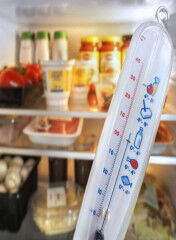
Food-borne bacteria are incredibly adaptable. Given the right conditions—especially summer heat—they multiply with astonishing speed. Just a few minutes outside the fridge can turn delicate ingredients dangerous. From fresh mozzarella to seafood, a lapse in temperature control is all it takes for bacteria to thrive.
SAFE DEFROSTING: PATIENCE PAYS OFF
Surprisingly, improper thawing is one of the most common home kitchen mistakes. Many people leave frozen meat in the sink or run it under water, thinking it's a quick fix. Unfortunately, this method invites bacteria to multiply.
The best practice? Always thaw frozen foods in the refrigerator. It may take longer, but this simple step keeps your meals safe and delicious.
BBQ SEASON: COOKING MEAT TO PERFECTION
With the arrival of barbecue season, food safety becomes even more crucial. If you love grilling, don’t let undercooked meat ruin the fun! Burgers should reach an internal temperature of 70°C (158°F), while roasts and steaks should hit at least 60°C (140°F) at the center. For poultry, aim for an even higher 75°C (167°F).
Investing in a digital meat thermometer ensures your barbecue is both mouthwatering and safe. And if grilled tofu or vegetables are more your style, you’re not just playing it safe—you’re savoring healthy, vibrant flavors!
If grilling isn’t your passion, why not try a Tuscan classic like Oven-Baked Pork Ribs (Rosticciana)? It’s a sure way to please your guests while keeping food safety in mind.
MASTERING MARINADES WITHOUT RISKS
Marinades are a secret weapon for adding flavor to meats and fish. However, any sauce that has come into contact with raw meat or poultry should never be used to season cooked dishes. If you want that extra burst of flavor, reserve a portion of marinade before adding the raw protein.
Also, be meticulous about cleaning: knives, cutting boards, and plates that have touched raw ingredients must be washed with hot, soapy water before coming in contact with anything else. Preventing cross-contamination is a simple habit that keeps your meals safe and enjoyable.
SAFE ENJOYMENT OF SUSHI, TARTARE, AND RAW FISH
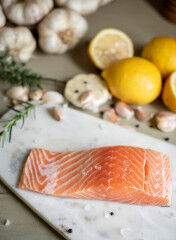
Craving homemade sushi or a vibrant fish tartare? Only use fish that has been flash frozen or frozen at home for at least 72 hours. This process eliminates the threat of Anisakis, a parasite you definitely don’t want to encounter. With the right precautions, you can enjoy the freshest seafood flavors in your own kitchen.
To dive deeper into healthy eating, discover how the Mediterranean Diet can transform your lifestyle for the better (read more here).
DESSERTS: A HIDDEN FOOD SAFETY CHALLENGE
Think desserts are always safe? Think again. Iconic treats like Tiramisù often use raw eggs, exposing you to the risk of salmonellosis. The solution? Pasteurize your eggs by making a heated meringue with sugar and egg whites, or choose recipes that cook the yolks. This simple step lets you indulge with confidence.
A golden rule for summer: Never leave perishable foods out of the fridge for more than one hour. This habit is especially important in hot weather, but it’s a smart practice all year round.
ENJOYING LIFE—AND FOOD—SAFELY
Oyster enthusiasts, beware: even the freshest oysters can hide harmful bacteria. To enjoy them safely, try them battered and fried with Tartar Sauce—many say this cooked version is even more delicious than the classic raw style.
Ultimately, food safety is about finding the right balance between caution and joy. Savor your favorite dishes, but don’t let your guard down. Sometimes, taking a little risk for a plate of perfectly prepared oysters is what makes life—and food—so rewarding.
Don’t miss out! Subscribe to Mamablip’s weekly newsletter for mouthwatering recipes, food and wine news, and the latest from the Italian culinary world. Explore more on the Mamablip Blog and recipes page.