How Did Christmas Gift-Giving Get Its Start?
When you unwrap a gift at Christmas, you’re participating in a tradition that’s both ancient and joyfully alive! The roots of giving presents during the holiday season stretch all the way back to the Romans and their exuberant celebration of Saturnalia, held in honor of Saturn, the god of agriculture. During Saturnalia, revelers exchanged gifts like fragrant laurel branches, mystical mistletoe, and handmade figurines—always unwrapped, and always heartfelt. These tokens weren’t just for show; they were believed to bring forth abundance and prosperity in the new year, exchanged ceremoniously on January 1st.
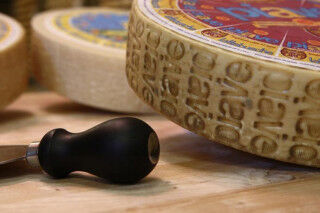
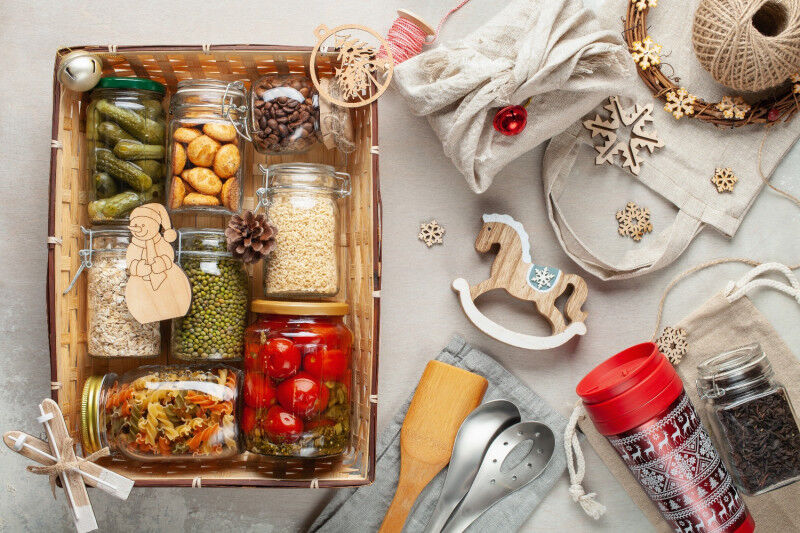
This magical season also paid homage to Strenia, a goddess whose name inspired the beloved Italian custom of "strenne"—gourmet baskets overflowing with regional treasures. Imagine baskets stacked high with pecorino and Parmigiano cheeses, savory salumi, and bottles of bold Barolo or ruby-red Chianti. Sometimes, these festive baskets even included home-brewed vin brulé (mulled wine), filling homes with the warming aromas of cinnamon and cloves. In true Roman fashion, everyone—even the household staff—joined the feasting and gift exchange, reinforcing the spirit of unity and goodwill.
With the rise of Christianity, the humble act of gift-giving took on new meaning, echoing the story of the Magi who brought gold, frankincense, and myrrh to the baby Jesus. Italian families began the tradition of gifting children, intertwining faith, festivity, and the excitement of the nativity. In fact, the ancient Church didn’t initially celebrate Christmas—this joyful holiday was born from a blend of sacred and folk traditions.
The custom evolved again with the arrival of Saint Nicholas, or Babbo Natale (Santa Claus), thanks to cultural influences from North America. Today’s jolly, red-suited bringer of gifts owes his origins to the real Saint Nicholas, a 3rd-century bishop from Myra known for his generosity—secretly leaving treats in the shoes of those in need. His legendary acts and familiar bushy beard inspired some of the most beloved Christmas stories, including the classic "A Christmas Carol."
The Fascinating Journey of "Strenne": From Ancient Times to Today
The story of the "strenna" is as enchanting as the gifts themselves. As sociologist Martyne Perrot explains in her book "The Christmas Gift: History of an Invention," Italians treasured the word "strenna" over the more generic "gift" until the 19th century—perhaps because it evoked images of magical presents falling from the sky. This air of mystery and wonder linked strenne to legends, folklore, and even the protective rituals that surrounded children during the cold, uncertain nights of the winter solstice.
In centuries past, while children slept, the act of hiding gifts became a playful ritual—sometimes shrouded in superstition and tales of mythical givers with roots in European folklore and the lives of Christian saints. This deep sense of tradition meant that "strenna" carried a far more magical and cherished meaning than any ordinary gift.
As Italian society evolved and holiday gatherings among the bourgeoisie became grander, the "strenna" found new purpose. Baskets of treats were gifted to servants, while family and close friends received more exclusive presents. By the late 19th century, new customs like elaborate gift-wrapping and ceremonial gift-giving added even more excitement and anticipation to the festive season, making every present feel like a special event.
Gastronomic Christmas Gifts: An Italian Feast for the Senses
No holiday is complete in Italy without the mouthwatering tradition of gourmet strenne. In recent years—and especially during times when restaurants were closed—Italians have rediscovered the joy of crafting and sharing food-centric gifts. According to Coldiretti, Italy’s largest agricultural organization, over one in three Italians (up to 34%) choose to give strenne baskets, brimming with artisanal products, to family and friends.
Imagine the delight of opening a festive basket filled with sparkling Prosecco, Torrone (hazelnut nougat), and handcrafted Pandoro and Panettone. These treats aren’t just delicious—they’re each a bite of Italian culinary history, woven into the fabric of celebrations from Milan to Sicily. Classic holiday specialties like Cotechino, Zampone, and hearty lentils have made a triumphant comeback, their flavors symbolizing luck and abundance for the year ahead.
With families gathering at home, there’s a renewed appreciation for cooking together and savoring time-honored recipes passed down through generations. The history of strenne is a story of resilience and sharing—from Roman baskets of dried fruit to the post-World War II revival, when communities gifted baskets of local produce like ricotta, salami, homemade bread, and earthy legumes to cherished members of society.
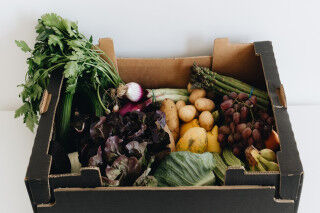
Today, the hallmark of an exceptional strenna is its focus on 0km products: farm-fresh cheeses, flavorful cured meats, extra-virgin olive oil, fragrant honey, tangy jams, and stellar locally-produced wines. There’s a growing trend to choose items carrying the "Made in Italy" label—not only for their superior taste, but also to support the artisans and farmers who keep Italy’s food heritage alive. Up to 82% of Italian shoppers now seek out these authentic treasures, making each strenna a heartfelt celebration of local flavors.