Unveiling the Magic of Italian Aromatic Herbs
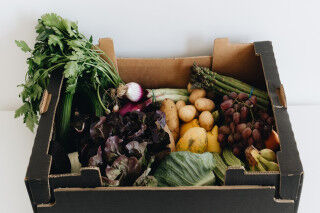
There’s a secret behind every truly unforgettable Italian dish—a unique blend of aromatic herbs that transforms simple ingredients into a feast for the senses. In every Italian home, you’ll find a signature combination of these flavor-packed greens, each family swearing by their own mix. The foundation, though, is built on time-honored essentials: basil, rosemary, thyme, sage, oregano, and parsley. Sometimes, the refreshing note of mint joins the medley, adding a surprising twist to familiar flavors. These herbs aren’t just for savory classics like cucina povera—think rustic ribollita or pasta e fagioli—but also bring brightness to unexpected places, such as desserts or lemony palate cleansers. Imagine finishing a rich meal with a spoonful of lemon-basil granita or a delicate rosemary shortbread; these nuanced touches elevate the dining experience. Beyond their irresistible aroma and taste, these herbs are also prized for their health benefits—promoting digestion, enhancing satiation, and making every meal both delicious and nourishing.
The Timeless Role of Herbs & Spices in Italian Cuisine
Step into the kitchen of any Italian nonna and you’ll be greeted by the unmistakable fragrance of fresh herbs—a living, breathing part of the household. My fondest memories are rooted in watching my grandparents harvest a handful of rosemary or sage from their well-loved pots. The piney aroma of rosemary would cling to my fingers long after, serving as a delicious reminder of meals shared together. Dishes like homemade tagliatelle with browned butter and sage, or a perfectly roasted pork loin infused with rosemary, were staples at our table, each bite bursting with heritage and heart.
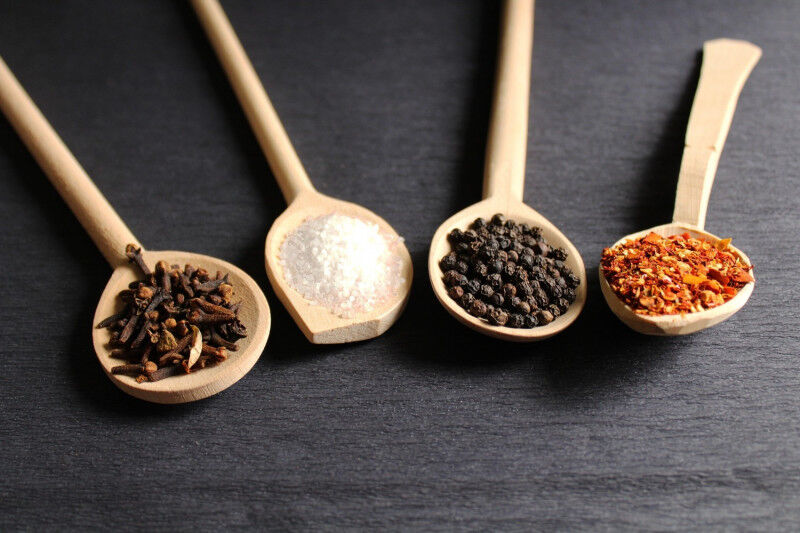
The story of herbs and spices in Italian cooking stretches back to the lavish banquets of ancient Rome, where the elite showcased their power with complex, spice-laden creations sourced from distant lands. While these grand feasts dazzled with flavors like pepper and saffron, most Romans dined on humble, unseasoned fare. As trade and conquest expanded, so did Italy’s culinary vocabulary, with Venetian traders introducing exotic treasures—ginger, cinnamon, nutmeg, mace, cloves, coriander—into the local diet. These spices soon became essential not only for taste, but for the vital task of food preservation. With salt both rare and precious—sometimes even used as currency—herbs and spices offered a practical, flavorful alternative that made Italian cuisine both sustainable and sensational.
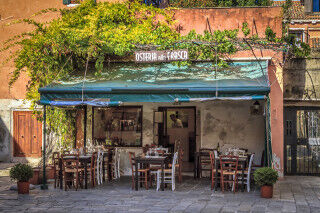
From the spice-laden marinas of Venice to the inventive kitchens of Tuscany, each region developed its own way of coaxing out the best in their ingredients. Tuscans, famed for their bold use of spices, sparked playful rumors that they used these vibrant flavors to disguise less-than-fresh meat. Whether myth or truth, the legacy is clear: Italian cuisine is a rich tapestry woven from the world’s most aromatic offerings.
Stay tuned and let your curiosity simmer—there’s so much more to uncover about Italian herbs and their endless culinary magic in Part 2! Dive in to master the art of authentic Italian seasoning—your kitchen will thank you.
Craving more tips or have questions about Italian herbs? Connect with me on social media and let’s keep the flavor conversation going!