Nina:
Fresh pasta is intimidating, but step-by-step instructions here make it doable and enjoyable. Add in an unexpected fish filling, and I am sold.
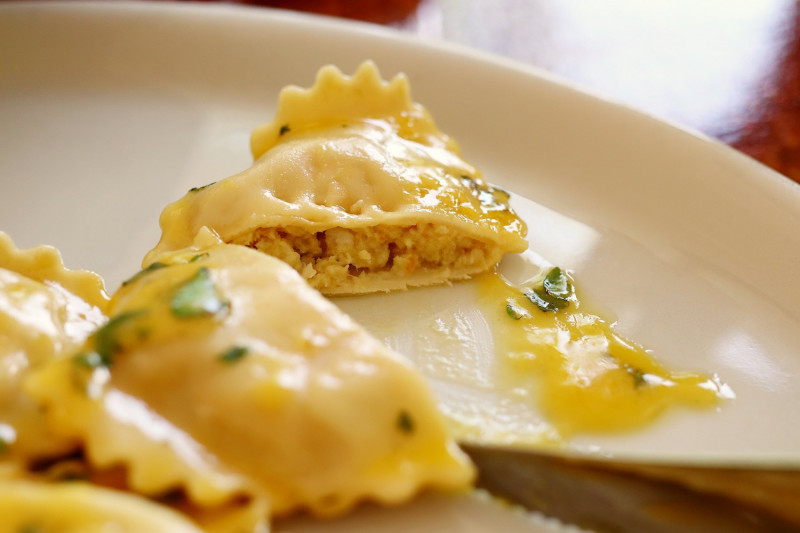
Sea bream ravioli represent a refined interpretation of traditional Italian stuffed pasta, featuring orata—renowned for its delicate, white flesh—blended with flavorful accents. Historically, filled pasta like ravioli originated in medieval Italy, where regional filling variations reflected local ingredients and tastes. In this modern version, the sea bream is finely minced and combined with fresh herbs, bread crumbs, Parmesan cheese, and a touch of seasoning to create a balanced, aromatic filling. This mixture is then enveloped in tender homemade pasta, skillfully sealed for the perfect mouthful.
These ravioli offer a delightful harmony between the subtle sweetness of the sea bream and the richness of homemade pasta. Traditionally served warm, they are typically complemented by a simple drizzle of melted butter or a hint of tomato-basil sauce. For a plant-based adaptation, the fish can be swapped with seasonal vegetables or tofu, maintaining the spirit of this elegant dish.
The gentle sweetness of the pasta combined with the refined marine notes of the sea bream calls for a wine that complements both elements. An excellent match is a Greco from Calabria, known for its crispness and mineral-driven profile. Alternatively, an Abruzzo Passerina stands out with its vibrant floral bouquet and refreshing acidity. Should your preparation feature a buttery sauce, a sparkling wine such as Alta Langa DOC—with its subtle notes of alpine herbs and flowers—pairs exquisitely, harmonizing with both the pasta and the sea bream's delicate flavor.
IngredientsTry it with...
Preparation
for 4 servings
Step
1
Of 4
Begin by sifting the flour into a spacious bowl and forming a well in the center. Sprinkle in the salt, then add the eggs one at a time. Pour in the olive oil. With a fork, gradually draw the flour from the edges into the liquid center, mixing until a shaggy dough forms.
When the dough has absorbed all the liquids, transfer it onto a clean work surface—preferably a wooden board, as tradition suggests. Knead the dough energetically until it achieves a smooth and uniform texture. If you find the dough is crumbly or too dry, moisten your fingertips with a little room-temperature water and continue kneading until the proper consistency is reached.
Step
2
Of 4
Line a baking sheet with parchment paper and preheat your oven to 180°C (356°F). Prepare small pouches using waxed paper, drizzling each with a touch of high-quality extra-virgin olive oil. Place a portion of sea bream in each pouch, season with a little olive oil, a pinch of salt, and sprigs of either fresh or dried thyme. Seal the parcels securely and arrange them on the baking tray. Bake for approximately 20 minutes, or until the fish is fully cooked and easily flakes apart.
Once baked, carefully open the pouches and let the fish cool slightly. Finely chop the parsley and set aside. Remove the flesh from the fish, discarding all bones and skin. Place the clean fish meat in a ceramic or glass mixing bowl, add the chopped parsley, and gently break apart the fillets with a fork. Gradually blend in about 50g of extra-virgin olive oil, mixing until the filling is cohesive and aromatic. Reserve the filling until ready to assemble the ravioli.
Step
3
Of 4
Dust your work surface lightly with flour. Using a pasta machine or rolling pin, flatten the dough into thin sheets, aiming for at least two rectangular pieces. The pasta should be thin yet sturdy enough to hold the filling without breaking.
Spoon small amounts of the prepared sea bream mixture at regular intervals along one pasta sheet. Lightly moisten the edges with water to help seal. Lay the second sheet on top, gently pressing around each mound of filling to eliminate any air pockets and ensure a tight seal. Use a round pasta cutter or sharp knife to cut out individual ravioli, transferring them as you go onto a tray generously dusted with flour. Allow the ravioli to rest and dry slightly before cooking.
Step
4
Of 4
Bring a large pot of salted water to a rolling boil. Carefully drop the ravioli into the water and cook for 4–6 minutes, or until they rise to the surface and are tender but still firm to the bite. Drain the ravioli thoroughly.
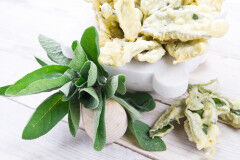
To finish, either toss the cooked ravioli with melted butter (optionally infused with fresh sage leaves) or dress with a light sauce of freshly crushed tomatoes and basil. Serve immediately, ensuring the ravioli are well coated and glistening with your chosen sauce.
Try it with...
Filippo Bartolotta
...Great Italian Goodies!
Nina Wednesday 15th of April 2020
Handmade ravioli just stepped up
Fresh pasta is intimidating, but step-by-step instructions here make it doable and enjoyable. Add in an unexpected fish filling, and I am sold.