Nina:
I use this recipe to make all of my fresh pasta doughs - it's so versatile you can use it for anything from plain tagliatelle to coloured doughs made...
Discover a professional-grade technique for crafting fresh pasta dough, serving as the essential base for a wide variety of homemade pasta creations. Developing proficiency with this method will elevate your culinary repertoire, enabling you to prepare an array of traditional and innovative pasta shapes. With consistency and precise technique, you can achieve a pasta dough that is both supple and resilient—ideal for any fresh pasta dish.
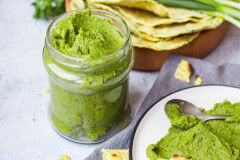
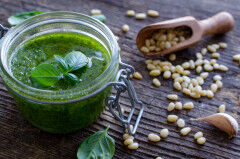
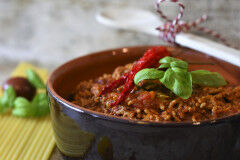
For optimal results, utilize Italian 00 flour, renowned for its ultra-fine texture, combined with Semola flour to impart structure and authentic bite to your pasta. Vigorous kneading is crucial to activate the gluten network, resulting in smooth, extensible dough. This professional approach yields pasta dough that pairs perfectly with an extensive range of sauces, such as Spinach and Mascarpone Sauce, Classic Basil Pesto, White Meat Ragù, or any preferred pasta condiment.
To experience the ease and superior flavor of this pasta dough, prepare several batches for friends and family—perfect for a gourmet pasta night at home. You’ll quickly see why freshly made pasta dough is a foundational skill for any serious home cook or professional chef.
Subscribe below to explore more expertly curated Italian recipes, updates on wine, and culinary insights via the Mamablip newsletter. A simple subscription brings weekly inspiration and authentic Italian know-how directly to your inbox—making your journey to mastering Italian cuisine even more accessible.
IngredientsTry it with...
Preparation
for 4 servings
Step
1
Of 2
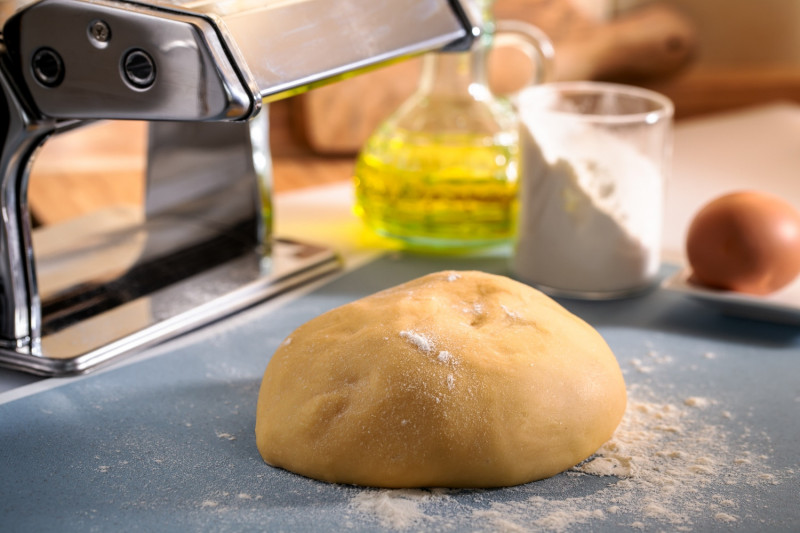
Place both the 00 flour and semola flour on a clean wooden work surface or into a large mixing bowl. Form a central well in the flour mound, crack the eggs into the center, and add a pinch of salt. Using a fork, gently beat the eggs and gradually incorporate the surrounding flour, working from the inside out.
Begin kneading the mixture by hand, applying firm pressure and stretching the dough for approximately 10 minutes. If the dough is overly sticky or loose, dust in additional 00 flour as needed; if it is too firm or dry, incorporate a small amount of warm water. Aim for a dough that is smooth, elastic, and cohesive when shaped into a ball.
Lightly coat the dough ball with flour, cover it with a clean towel or plastic wrap, and allow it to rest at room temperature for at least 20 minutes. This rest period relaxes the gluten and ensures optimal rolling and shaping characteristics.
Note: While Italian 00 flour is preferred for its ultra-fine consistency, high-quality all-purpose flour is an acceptable substitute if 00 flour is unavailable. The texture may differ slightly, but the pasta will still yield excellent results.
Step
2
Of 2
After the dough has rested, thoroughly dust your work surface (preferably wood) with flour to prevent sticking.
Using a traditional rolling pin, begin rolling the dough from the center outward, working evenly until the sheet reaches your desired thickness—ideally as thin as possible for most filled pastas. Alternatively, a pasta machine may be used, adjusting the thickness incrementally for a consistent result.
The rolled dough is now ready for shaping. For filled pasta such as ravioli, roll the dough to less than 2mm thickness. Cut the dough into evenly sized rectangular sheets, ensuring uniformity for proper sealing.
Re-flour the work surface and lay out a sheet of pasta. Place small, evenly spaced portions of your prepared filling onto the sheet using a teaspoon.
With a dampened fingertip or pastry brush, moisten the pasta around the filling mounds. Carefully place a second pasta sheet on top, pressing gently around each mound to seal and eliminate air pockets. Use a pastry wheel or sharp knife to cut individual shapes, and arrange them in a single layer on a lightly floured tray, ensuring they do not touch.
Allow the shaped pasta to air dry for a minimum of 2 hours before proceeding to cook, ensuring optimal texture during boiling.
Try it with...
Filippo Bartolotta
...Great Italian Goodies!
Nina Friday 17th of April 2020
My first and only handmade pasta dough recipe
I use this recipe to make all of my fresh pasta doughs - it's so versatile you can use it for anything from plain tagliatelle to coloured doughs made with vegetables. It's truly the best ever!