tania:
I would never have thought of marinating lamb to use for a pasta sauce, but lo and behold, it works and it works REALLY well. I love the sweet tang o...
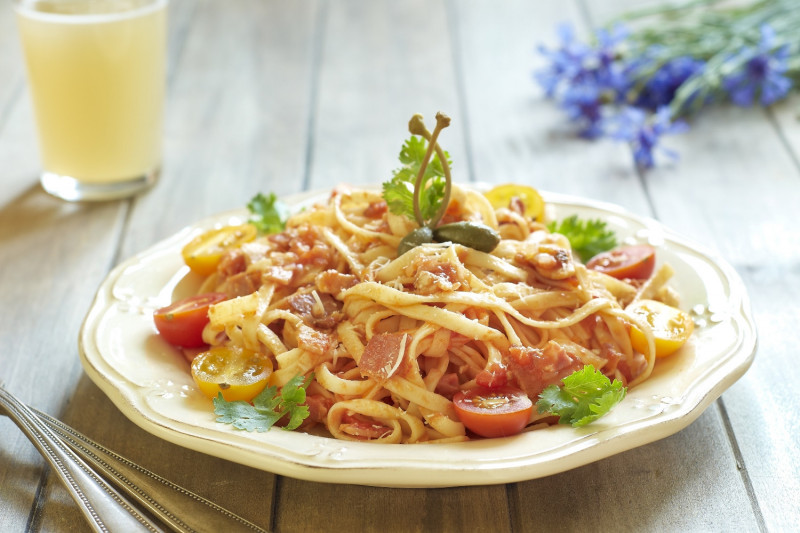
Experience the essence of Italian culinary artistry with this elevated take on fresh egg tagliatelle, perfectly paired with succulent, marinated lamb and the distinct sweetness of Tropea red onions. While tagliatelle is a classic choice for this robust sauce, feel free to experiment with other fresh pasta shapes—each will absorb the flavors beautifully.
The secret to an extraordinary lamb sauce lies in choosing a well-marbled cut, such as the shoulder, ensuring rich, juicy results. A generous marination—ideally two hours or more—infuses the lamb with aromatic herbs and garlic, creating a depth of flavor that harmonizes with the uniquely tangy and sweet character of the Tropea onions. These celebrated onions, native to Calabria’s coastal region, have gained worldwide acclaim for their delicate flavor and are now widely accessible in quality grocers.
Traditionally associated with festive meals, especially during spring’s lamb season, this dish’s warming flavors and hearty texture make it an inviting choice throughout autumn and winter. Whether you’re seeking to expand your repertoire of regional Italian recipes or impress guests with a showstopping pasta, this dish promises a journey through southern Italy’s culinary heritage.
IngredientsTry it with...
Preparation
for 4 servings
Step
1
Of 6
Choose a well-marbled lamb shoulder for superior tenderness and flavor. Using the flat side of a knife, crush fresh garlic cloves and discard the skins.
Slice the lamb into thin, medium-length strips and transfer to a mixing bowl. Finely chop a selection of fresh herbs (such as rosemary, thyme, and parsley) to form a fragrant bouquet, then add these to the lamb. Incorporate the whole garlic clove, generously drizzle with extra virgin olive oil, and massage the marinade into the meat.
Allow the lamb to marinate at room temperature for a minimum of two hours. For an even richer flavor, cover and refrigerate overnight, bringing the meat to room temperature before cooking.
Step
2
Of 6
Combine sifted all-purpose flour and fine semolina in a medium bowl. Form a well in the center and add egg yolks.
Using a fork, gently draw the flour into the yolks, gradually incorporating all of the dry ingredients. Once a shaggy dough forms, switch to kneading by hand on a lightly floured surface, working until the dough becomes smooth, elastic, and cohesive.
Wrap the dough tightly in plastic wrap and let it rest at room temperature for at least 30 minutes. This rest period relaxes the gluten, making the dough easier to roll out and ensuring a silky pasta texture.
Step
3
Of 6
Peel the Tropea onion and slice it as thinly as possible for even caramelization. Warm a small sauté pan over low heat and coat with a splash of extra virgin olive oil.
Add the sliced onion and cook gently, stirring occasionally, until it begins to soften and take on a light golden color. Sprinkle in a pinch of sugar and salt to enhance sweetness and balance flavors.
Once the onions are deeply caramelized, deglaze the pan with a dash of white wine vinegar and continue to cook until the vinegar evaporates. Remove from heat and allow to cool, preserving their delicate sweet-and-sour profile.
Step
4
Of 6
Dust your work surface with flour and place the rested pasta dough in the center. Using a rolling pin, flatten the dough from the center outward, aiming for a thin, even sheet (the thinner, the silkier your pasta).
If preferred, use a pasta machine, passing the dough through progressively thinner settings until the desired thickness is achieved.
Fold the pasta sheet over itself several times, lightly dusting each fold with flour or semolina to prevent sticking. Using a sharp knife, cut the dough into 0.5cm-wide strips. Carefully separate and unfurl the noodles, laying them on a floured tray to keep them from sticking. Repeat with remaining dough.
Step
5
Of 6
Heat a heavy, nonstick sauté pan over medium-high heat until hot. Add the marinated lamb, along with all the marinade and herbs, spreading the meat in an even layer.
Pour in a splash of white wine, letting it sizzle and reduce. Cook, stirring occasionally, until the lamb is browned and the wine has evaporated. Adjust the seasoning with salt to taste.
Optionally, add the reserved caramelized Tropea onions at this stage to further meld the flavors.
Step
6
Of 6
Bring a large pot of salted water to a rolling boil. Gently add the fresh tagliatelle and cook for about 3 minutes, or until al dente. Taste to check for your preferred texture.
Drain the pasta thoroughly and transfer immediately to the pan with the cooked lamb. Toss well to coat the noodles in the sauce and distribute the meat evenly.
Add the caramelized onions (if not already included) and, if desired, a handful of halved cherry tomatoes for a fresh burst of flavor. If the sauce is too thick, loosen it with a few spoonfuls of pasta cooking water.
Serve immediately, finishing each plate with a drizzle of high-quality extra virgin olive oil and a generous grating of Parmigiano Reggiano cheese.
Try it with...
Filippo Bartolotta
...Great Italian Goodies!
tania Thursday 13th of August 2020
Unusual and super tasty
I would never have thought of marinating lamb to use for a pasta sauce, but lo and behold, it works and it works REALLY well. I love the sweet tang of the onions and while lamb isn't my go-to meat for pasta sauce, that might very well change after trying this one.