Wait, Is There Really No Such Thing as 'Italian Food'?
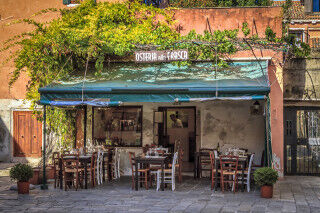
It might sound unbelievable, but if you dig deeper into the culinary roots of Italy, you’ll discover a delicious truth: there’s no single, unified "Italian cuisine." Italian food is truly regional food, a mouthwatering mosaic of local dishes and treasured traditions woven together across the country’s 20 vibrant regions. If you’ve ever dined outside of Italy and glanced at an "Italian" menu, you’ve probably noticed a tempting but selective spread—usually a greatest-hits playlist of Italy’s signature recipes like Pizza Margherita, Lasagna, or Spaghetti Carbonara. Enjoying Italian food abroad is a culinary adventure, but what you’re tasting is just the tip of the peninsula—each region has its own unique specialties waiting to be discovered. Every time I eat Italian abroad, I feel as if I’m globetrotting from Veneto to Sicily right from my seat!
But here’s where it gets even more fascinating: true Italian food is not just varied, but authentically regional. Each part of Italy, from the alpine peaks of Trentino-Alto Adige to the sun-soaked shores of Puglia, guards its own time-honored recipes and culinary techniques. Together, these create a rich heritage that’s so much more than the sum of its parts. In essence, Italian cuisine is really 20 different culinary traditions, harmoniously coexisting—each with its own flavors, textures, and iconic ingredients.
What unites all Italian cooking, no matter the region? Simplicity, seasonality, and authenticity. Most classic dishes, whether it’s a comforting bowl of Ribollita from Tuscany or a fragrant plate of Orecchiette alle Cime di Rapa from Apulia, use only a handful of high-quality local ingredients. These recipes are lovingly passed down through generations, perfected by the hands of nonnas in their home kitchens, not by Michelin-starred chefs. The heart of Italian food beats strongest in family kitchens, where every meal is a celebration of local bounty and tradition.
So, what shapes this captivating culinary diversity? The main ingredients are:
- History – centuries of shifting borders, cultures, and influences
- Climate and geography – from Alpine meadows to Mediterranean coastlines
- Cultural traditions – passionate local identities and pride in regional foodways
Why Are These Elements so Crucial to Italian Cuisine?
History
Italy’s gastronomy is shaped by its vibrant and sometimes tumultuous past. Before its unification in the 1860s, the Italian peninsula was a patchwork of fiercely independent kingdoms and city-states. Each region developed its own culinary identity, influenced by centuries of trade, invasion, and migration. For example, the Arab influence in Sicily gave rise to unique dishes like Arancini and the use of citrus and spices, while the Austrians left their mark in the hearty comfort foods of Trentino and Friuli. Even after unification, the regions retained their culinary independence—so much so that you can taste the difference in every bite, from Risotto alla Milanese to Neapolitan Pizza. Today, Italy is still a nation of 15 fully integrated regions and 5 semi-autonomous ones, each proud of their unique food stories.
Cultural Traditions
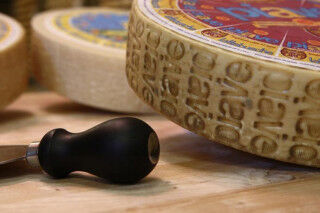
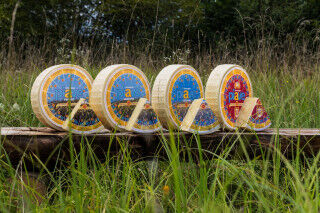
The Italian concept of campanilismo—a fierce loyalty to one’s local community, symbolized by the village bell tower—runs deep. This local pride means food is more than sustenance; it’s a badge of honor, a way to express identity. It’s not uncommon for Italians to claim their Parmigiano Reggiano is superior to all others, or that their family’s Ragù recipe is the only true one. Even today, Italians often identify by their neighborhood or quarter rather than their city or nation. This healthy rivalry has been a key ingredient in the evolution of regional cuisine, ensuring each dish is meticulously preserved, joyfully celebrated, and deliciously distinct.
Climate and Geography
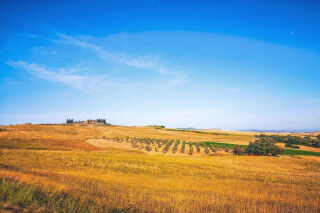
Italy’s breathtaking landscapes are as varied as its cuisine. The mighty Apennine Mountains run the length of the peninsula, dividing the regions and creating distinct microclimates. In the lush, fertile plains of Emilia-Romagna—Italy’s "food valley"—you’ll find world-famous products like Parmigiano Reggiano, Prosciutto di Parma, and Aceto Balsamico di Modena. Head north to the Alpine regions of Lombardy and Piedmont, and you’ll discover velvety Risotti, rich polenta, and prized truffles. The sun-drenched south, with its rugged hills and Mediterranean coastlines, yields vibrant dishes such as Caprese Salad, Pasta alla Norma, and Limoncello. As you journey from north to south, the cuisine shifts from dairy-laden and hearty to light, olive oil-based, and bursting with vegetables and seafood. Every corner of Italy offers a new, irresistible taste experience, shaped by the land and the seasons.
“Many believe Italian food is so flavorful because of its many ingredients, but the real secret is its restraint—few ingredients, artfully combined.” – Gino D’Acampo
Are you hungry for even more insights into the wonders of regional Italian cuisine? Don’t miss Part 2 of this series, where we’ll unveil more secrets and irresistible dishes that make Italian food a beloved treasure worldwide.
Follow me on social media for exclusive recipes, travel stories, and mouthwatering Italian food inspiration!