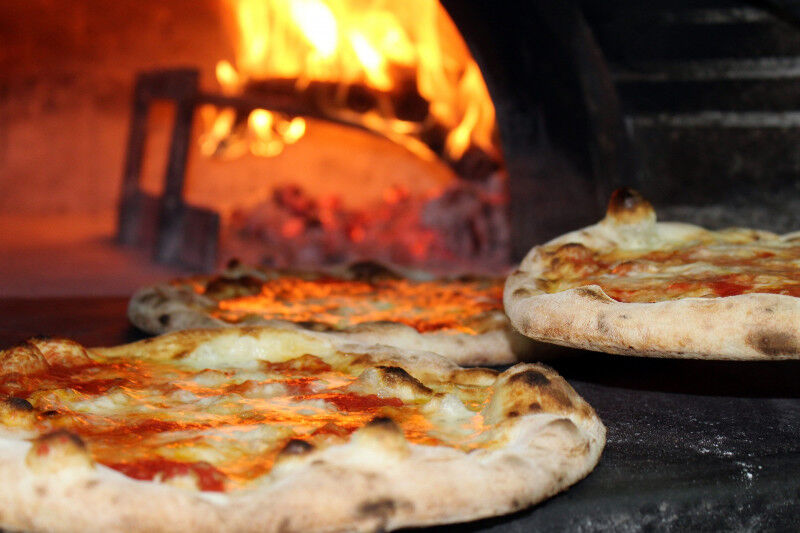
If you’re new to the world of Pizza, prepare to embark on a journey that is deeply rooted in the landscape and history of Italy. Pizza’s foundation is a testament to the land: typically crafted from wheat flour, though regional and ancient recipes may use corn or chestnut flours—each imparting the unique aromas of their terroir. These flours, harvested from Italian fields or chestnut forests, are combined with water or milk, yeast, eggs, and enriched with oil, lard, or butter, reflecting both the bounty and culinary traditions of each area. The resulting dough is shaped into a flat, round base and baked, transforming humble ingredients into an edible canvas that speaks of centuries of Italian agricultural and culinary heritage. The aroma that fills the kitchen as it bakes is a sensory bridge to the wheat fields and olive groves of the Mediterranean.
Pizza: The Digital and Cultural Phenomenon Shaped by Its Homeland
Just five letters—pizza—embody a global culinary icon, whose fame is inextricably linked to the regions that birthed it. From Naples’ bustling markets to the rolling fields of Emilia-Romagna, pizza’s story is interwoven with Italy’s social and agricultural fabric. Google alone logs nearly four billion entries related to pizza, while #pizza trends endlessly on Instagram, making it not just a food but a cultural movement that reflects Italy’s enduring influence on the world’s palate. During the pandemic, pizza dough recipes became a lifeline, as home cooks reached for the essence of Italian comfort in flour and yeast, echoing centuries-old traditions of baking bread to nurture both body and spirit.
Pizza’s emotional power lies in its tactile creation: the act of kneading dough links us to generations of Italian bakers, and the scent of baking bread evokes the warmth of family kitchens. It’s no wonder everyone has tried their hand at pizza at least once—each bite is a connection to the land and culture that made it possible.
Pizza’s Patron Saint and Its Enduring Connection to Italian Life
Pizza’s place in Italian culture is so strong that it even has its own day—World Pizza Day on January 17—and its own patron saint, Saint Anthony Abate, revered by bakers, animals, and now pizza makers. This celebration speaks to how pizza has always bridged the sacred and the everyday, drawing from the abundance of the Italian landscape to feed both body and soul.
Pizza is a staple year-round, a symbol of Italian conviviality. According to the CNA Agroalimentare, over 8 million pizzas are baked daily across Italy—totaling nearly 3 billion a year and fueling a €15 billion industry. The full economic impact surpasses €30 billion, a testament to pizza’s role as a weekly ritual for Italians. The numbers reflect not only a beloved food, but a living tradition rooted in local grain, olive oil, and artisan skill.
UNESCO Recognition and Pizza’s Elevated Status
In December 2017, UNESCO honored the "Art of Neapolitan Pizzaiuolo" as an Intangible Cultural Heritage, celebrating the unique skills passed down by Naples’ master pizza makers. This recognition anchors pizza in its birthplace, tying it to the volcanic soils, coastal breezes, and vibrant markets of Campania. The web, too, responded with a dedicated ".pizza" domain, showcasing the dish’s global reach.
While pizza remains an accessible meal for all, its roots inspire extraordinary creations. For World Pizza Day, Cilento-born chef Renato Viola—now based in Miami—created the lavish Luigi XIII pizza. Priced at €8,300, it’s crowned with three types of caviar, Louis XIII Rémy Martin cognac, red prawns from Acciaroli, and lobster from Palinuro—ingredients chosen to spotlight the bounty of Campania’s coasts and seas. This marriage of land and sea is a tribute to Italy’s ability to elevate simple dough to the heights of luxury, while never severing its connection to the terroir.
Pairing tip: To accompany a luxurious pizza like Luigi XIII, consider a fine vintage Champagne or a structured Franciacorta—sparkling wines whose minerality and freshness cut through the richness of the toppings.
Pizza's Ancient Roots: A Taste of the Land Through the Ages
Pizza's journey began as a simple flatbread, echoing the land’s bounty and the ingenuity of local people. Its earliest ancestors were unleavened breads, like those of ancient Israelites, Babylonians, and Greeks. In Roman times, fields of grain were milled into flour, then combined with wild herbs and salt—practices immortalized by Virgil and the humble "pani focacius," or ancestor to today’s focaccia. These breads were baked in stone ovens fueled by Mediterranean wood, infusing each bite with a taste of the countryside.
Cheese and tomato were later additions—cheese made from the milk of local sheep and cows, and tomatoes arriving with the Columbian exchange. The first use of "pizza" in print appears in 16th-century Naples, where Benedetto Di Falco noted that Neapolitans called their focaccia "pizza." Early versions were topped with lard and, eventually, with cheese as dairy farming expanded in the region. The arrival of basil in the 1600s, grown in sun-baked Neapolitan gardens, gave pizza its signature aroma—an olfactory link to the city’s vibrant streets and gardens.
Pairing tip: For rustic, ancient-style pizzas, try a mineral-driven white such as Greco di Tufo or a light, herbal Vermentino—both wines that echo the land’s freshness and the simplicity of early toppings.
The Tomato Revolution: Pizza Embraces the Flavor of the South
The arrival of the tomato in the 18th century revolutionized pizza. The fertile volcanic soils of Campania proved ideal for cultivating this vibrant fruit, which soon became integral to southern Italian cuisine. Initially seen as a curiosity, the tomato’s acidity and sweetness found harmony on pizza’s chewy base. Royal palaces, such as Capodimonte in Naples, constructed dedicated wood-fired ovens to perfect this new culinary gem, reflecting the pizza’s growing status among both nobility and commoners.
Pizza quickly became a symbol of Naples’ egalitarian spirit, uniting people from all walks of life in streetside feasts. The emergence of pizzerias in the 18th and 19th centuries, with marble counters and open ovens, established pizza as an everyday celebration of local produce and community.
Pairing tip: A classic Neapolitan pizza with tomato and mozzarella pairs beautifully with a juicy, fresh red like Aglianico or a sparkling Falanghina, both from the Campania region.
The Birth of the Margherita: Royalty and the Colors of Italy
In 1889, Queen Margherita of Savoy visited Naples and requested a taste of the city’s famed pizza. Renowned pizzaiolo Raffaele Esposito crafted three versions for the royal court, but it was the one featuring the red of San Marzano tomatoes, the white of local mozzarella, and the green of fresh basil that captivated the queen’s palate. This triad celebrated the colors of the Italian flag and the agricultural richness of Campania—tomatoes from the Vesuvian plains, mozzarella from buffaloes grazing in the countryside, and basil from sunlit gardens. Thus, the Margherita pizza was born, a delicious snapshot of Italy’s land and spirit.
Pairing tip: A Margherita is perfectly complemented by a crisp Italian lager or a light, aromatic white like Fiano di Avellino. For a more nuanced pairing, a Chiaretto rosé from Lake Garda offers freshness and a gentle fruitiness.
Celebrating Regional Diversity: Pizza Variations Shaped by Land and Tradition
Pizza’s adaptability has given rise to myriad regional styles, each reflecting local ingredients and history. Its global fame owes much to waves of Italian emigration, spreading not just Naples’ pizza, but countless local variants.
- Fried Pizza (Pizza Fritta) – Born in the post-war neighborhoods of Naples, this street food reflects resourcefulness: dough is fried, often filled with ricotta, salami, or other modest ingredients. Pair with a cold, dry Lambrusco to cut through its richness.
- Pinsa Romana (Pizza alla pala) – A Roman specialty, pinsa is made with a blend of wheat, rice, and soy flours, resulting in a light, airy, and crispy base that speaks to the region’s historic grain cultivation. Enjoy with a mineral-driven Frascati or a citrusy Pecorino.
- Pizza alla Romana – Baked in rectangular pans after a long 72-hour rise, this pizza’s crumbly texture and complex flavors reflect the patience and precision of Roman bakers. Pair with a lively Prosecco or a dry white like Verdicchio.
- Rossini Pizza – Hailing from Pesaro, this whimsical creation crowns a Margherita with hard-boiled eggs and mayonnaise, a nod to the composer Gioachino Rossini. Try it with a vibrant Sangiovese rosé for balance.
- Al Tegamino (Turin) – In the north, Turin’s pizza is baked in a small pan, yielding a soft, almost fried crust thanks to local olive oil. A glass of Arneis or Dolcetto, both Piedmontese wines, rounds out the experience.
- Sfincione (Palermo) – Sicily’s answer to pizza: a thick, spongy dough topped with tomato sauce, sweet onions, anchovies, caciocavallo cheese, and breadcrumbs—flavors that echo the island’s rich agriculture and fishing heritage. Pair with an aromatic Sicilian Grillo or a light Nero d’Avola.
Each style is a tribute to its land, its people, and the enduring creativity of Italian food culture.
Perfect Wine Pairings for Pizza: Elevate Every Bite
- Pinot Meunier-based Champagne – For classic or luxurious pizzas, a Champagne Brut (like H.Blin) offers refreshing bubbles and lively acidity that cleanse the palate between bites.
- Lambrusco di Sorbara “Leclissi” by Paltrinieri – This sparkling red from Emilia-Romagna is a joyful pairing for rich, cheesy, or fried pizzas, its berry notes and gentle fizz providing balance and brightness.
- Chiaretto di Bardolino Classico “Keya” by Guerrieri Rizzardi – This elegant rosé from Lake Garda brings floral aromas and crisp minerality, making it ideal for Margherita or vegetable-topped pizzas.
Don’t be afraid to experiment: the best pairing is the one that brings you joy and echoes the history and flavors of the land where your pizza was born.
Pizza’s Universal Appeal: A Tradition Rooted in Land and Memory
For decades, pizza has been more than just a meal—it’s a cultural cornerstone, a gathering point for friends and family, and a reflection of the land’s generosity. Its roots in Italian pop culture stem from its affordability and accessibility, but today, the craft of pizza-making is celebrated for its artistry: long-fermented doughs, careful hydration, and the use of local flours and toppings.
Modern pizza culture honors tradition while embracing innovation, navigating between age-old protocols and contemporary creativity. What remains unchanged is pizza’s role as a unifier, a dish that invites everyone to the table and calls to mind cherished moments—whether that’s a first date, a late-night feast, or a simple meal with friends. In every slice, you’ll taste the fields, the markets, and the stories of Italy. Pizza, rooted in the land and in memory, is a culinary heritage to be savored and safeguarded for generations to come.
all.sign in to leave a review