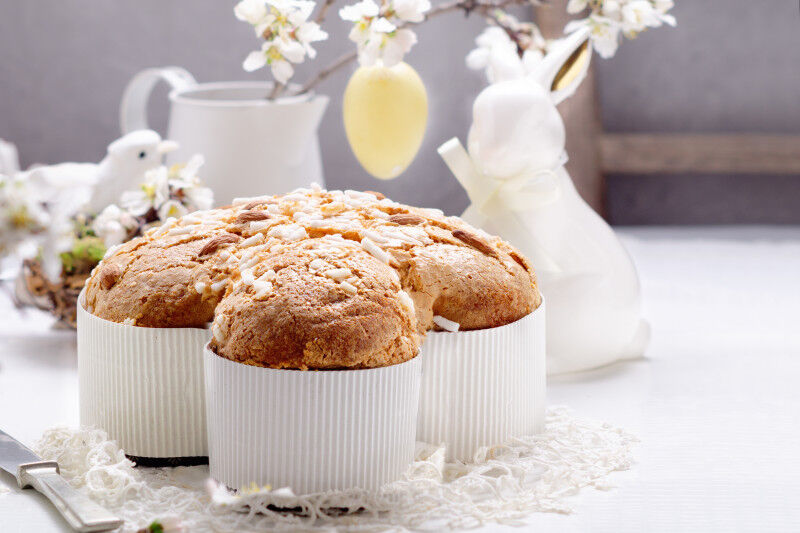
The Sweet Story of Colomba: Italy's Iconic Easter Dove Cake
A Symbol of Hope: The Easter Dove and Its Meaning of Renewal
For centuries, the dove has been cherished as a universal emblem of peace, hope, and new beginnings. Italians embrace this gentle symbol each Easter, bringing the dove-shaped cake, known as Colomba, to the family table as a delicious wish for brighter days ahead. The tradition is deeply rooted in faith and folklore, as the dove is frequently referenced in ancient texts. In the Bible, particularly in Genesis (8:11), a dove signals the end of the great flood by carrying an olive branch to Noah, marking the dawn of a new era of harmony between God and humanity. With every bite, Colomba celebrates this message of renewal and togetherness.
Legends and Lore: The Ancient Origins of the Easter Colomba
Though historical records are scarce, enchanting legends trace the roots of the Colomba cake back to the era of Lombard rule in Italy. One beloved tale recounts that in the 6th century, during King Alboin's siege of Pavia, townsfolk offered him a dove-shaped sweet bread as a gesture of peace and goodwill, forever linking the dessert to Easter and reconciliation. Another story centers on Queen Theodolinda and the Irish abbot Saint Columbanus, whose miraculous blessing at a royal feast transformed simple fare into soft, white dove-shaped bread—mirroring the habits of the monks. These charming stories, woven into the cultural tapestry of Italy, ensure that the Colomba remains a symbol not only of Easter but also of peace, generosity, and local legend.
From Milanese Bakeries to National Fame: The Birthplace of Colomba
The modern Colomba as we know it was brought to life in early 20th-century Milan by master baker Angelo Motta. Drawing inspiration from traditional Easter recipes and adapting the art of panettone—Italy's famous Christmas bread—Motta crafted a unique cake that quickly became a seasonal staple. To launch this new creation, he sent samples to notable writers and journalists of the era, inviting their feedback and sparking a culinary sensation that would soon sweep the country. The Colomba's origins are a testament to Italy’s enduring passion for celebration and innovation in the kitchen.
The Colomba’s Flourishing Journey: From Tradition to Culinary Icon
It wasn’t long before the Colomba soared in popularity, capturing the hearts and palates of Italians everywhere. This period marked the rise of renowned bakeries and confectioners, like Motta, whose expertise with the Christmas panettone provided the foundation for the Colomba's signature soft, fragrant crumb. Over time, the recipe evolved, blending time-honored methods with local ingredients and regional tastes. Today, the Colomba stands proudly beside other festive Italian breads, its dove shape symbolizing the arrival of spring and the continuation of cherished family rituals spanning generations.
Baking the Colomba: Crafting Italy’s Celebrated Easter Cake
The classic Colomba recipe is a masterpiece of patience and skill, using the best of Italy's agricultural bounty—wheat flour, fresh eggs, creamy butter, aromatic sugar, and natural yeast. Accented with fragrant candied orange peel and topped with a crunchy almond glaze, the cake is both a feast for the senses and a showcase of Italian culinary tradition. Like its cousin, the panettone, the Colomba invites endless creativity, with bakers across Italy giving their own spin to fillings and toppings, highlighting the diversity of local flavors.
Mastering the Art: The Traditional Colomba Recipe and Its Secrets
Behind the seemingly simple Colomba lies a complex process of three distinct leavenings. The journey begins with a starter of flour, water, milk, and yeast, allowed to rise for hours. The second dough adds more flour, sugar, and butter, deepening the flavor and texture through another rise. The final mixture incorporates eggs, vanilla, and candied oranges, before a lengthy 16- to 24-hour fermentation. The dough is then gently shaped into the iconic dove mold, coated in a sweet glaze of almond, sugar, and sometimes hazelnuts, and baked to golden perfection. Artisanal Colomba is often made with natural sourdough and allowed to mature for up to two days—a testament to the dedication and craftsmanship of Italy’s bakers.
Discovering Excellence: How to Recognize a Perfect Colomba
With a dazzling array of Colomba cakes on the market—from industrial to artisanal varieties—knowing what makes a great Colomba is part of the experience. The aroma should be inviting, with notes of eggs, butter, vanilla, and the zesty brightness of candied orange. A true Colomba boasts a light, airy, and elastic crumb—never dry or heavy. The texture is distinctive, with elongated, irregular air pockets and a delicate tear. On the palate, it delivers a harmonious balance of sweetness, softness, and a refreshing citrus lift, echoing the flavors of springtime in Italy’s orchards.
A Spectrum of Tastes: Regional Variations and Creative Twists on Colomba
What began as a straightforward Easter treat has blossomed into a canvas for the inventive spirit of Italian pastry chefs. While some remain loyal to the classic recipe—honoring the simple luxury of butter, eggs, vanilla, and candied citrus—others embrace bold new flavors and techniques. From chocolate (in all its forms) to fruit creams, liqueur infusions, whole grain flours, and more, there’s a Colomba to enchant every palate. This dynamic evolution reflects Italy’s deeply rooted appreciation for regional ingredients and the joyful celebration of culinary heritage.
Exceptional Easter Doves: Three Must-Try Colomba Cakes
From the heart of Vicenza, Pasticceria Filippi offers a dazzling array of Colomba cakes, each crafted to delight. Their standout creation marries the zing of Sicilian candied oranges with the rich depth of Criollo dark chocolate, blending regional treasures into a festive showstopper. Every slice is a celebration of Italy’s vibrant citrus groves and artisanal chocolate heritage.
Vegan Colomba | Vergani Since 1944
For those seeking plant-based indulgence, Vergani—a historic company that helped popularize Colomba worldwide—presents a vegan version that doesn’t compromise on tradition or flavor. This delicacy features a tender crumb made from wheat and rice flour, cocoa butter, and extra virgin olive oil, all enhanced by Sicilian orange peel and a fragrant almond glaze. It’s a testament to how the Italian art of baking continues to evolve to embrace every lifestyle.
No Easter would be complete without the timeless classic. Pasticceria Vignola of Avellino brings tradition to life with a Colomba featuring luscious candied oranges, a glaze of almonds and hazelnuts, and the unmistakable aroma of Madagascar bourbon vanilla. The golden-hued pastry shines with both zested and candied orange, reflecting the time-honored flavors of southern Italy’s orchards and bakers’ devotion to heritage recipes.
all.sign in to leave a review