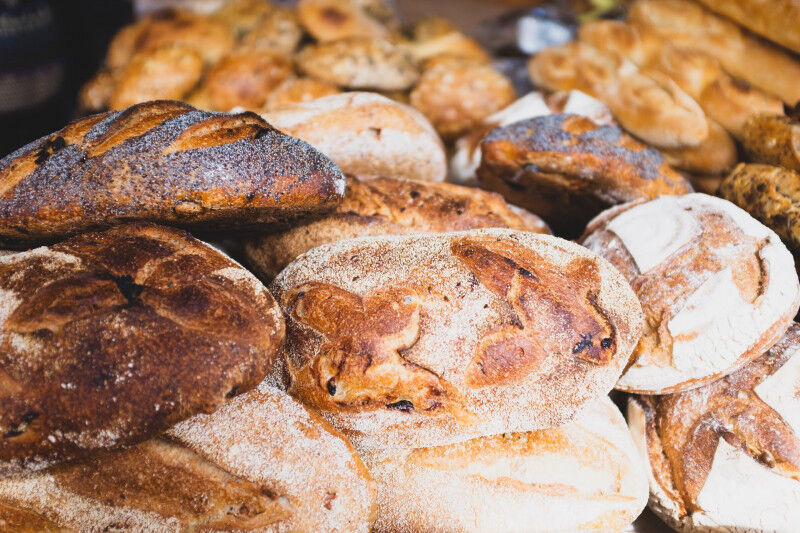
ALL ABOUT ITALIAN BREAD: A JOURNEY OF FLAVOR AND HERITAGE
Bread is not just food—it is the very foundation of civilization. Across centuries and continents, bread has played a starring role in nourishing humanity, acting as a primary source of sustenance and as a powerful symbol of hospitality, family, and tradition. At its heart, Italian bread is a masterful blend of grain, water, and leavening agents, lovingly mixed and baked. Sometimes, only flour and water are needed, yielding rustic loaves with a simplicity that belies their deep, satisfying flavors.
The magic of bread goes beyond chemistry. There’s something almost enchanting in the way bread is able to connect people, evoke memories, and feed the soul. Who can resist the warm, comforting aroma of freshly baked bread wafting through the air? It’s no wonder that scent has become a favorite for candles and home fragrances—bread speaks to us on a primal level, signaling comfort and abundance.
In Italy, bread’s status began to shift slightly in the 1950s as pasta rose in popularity, and although overall bread consumption per capita has declined, bread remains a culinary cornerstone. It’s not only a staple on the table but also a key ingredient in many beloved Cucina Povera (peasant cuisine) dishes. While home baking was once the norm, busy modern lifestyles have pushed many toward bakeries or supermarkets. Yet, the allure of a golden, crusty loaf—still warm from the oven—remains irresistible. Shopping for bread in Italy becomes a sensory adventure, where the sight and smell of artisanal loaves can sweep you away in a heartbeat.
Every region of Italy boasts its own signature breads, each with a unique history and flavor profile. Like family members, each is cherished for its distinct characteristics. Ready to embark on a mouthwatering tour of Italy’s best breads? Let’s discover what makes each loaf so special!
THE FASCINATING HISTORY OF ITALIAN BREAD
Bread is one of the oldest foods ever cooked and shared by humans, dating back thousands of years. Introduced to Italy via the Romans—who learned breadmaking from the ancient Greeks—it quickly became a vital part of daily life, and even took on a sacred importance. In Ancient Rome, bread was consumed by everyone from emperors to slaves (though the quality of wheat varied), symbolizing both unity and social status.
As the empire expanded, so did the need for wheat, leading to imports from distant lands. This influx brought not just new grains, but also novel recipes and baking techniques. Many of the breads we cherish today, like the piadina of Emilia-Romagna, are the result of this cross-cultural culinary evolution—its soft, unleavened rounds evoke the flatbreads of Lebanon and Syria, tying the Mediterranean together through shared tastes.
Even before Marie Antoinette’s notorious “let them eat cake,” Roman emperors understood the importance of bread for social harmony. The phrase "panem et circenses" (bread and circuses) captures how crucial bread was for public satisfaction and political peace.
During the Middle Ages, bread remained a daily necessity in Italy. In fact, blocks of stale bread called trenchers were used as edible plates, soaking up savory stews and sauces before being devoured themselves—no dishes to wash, and a truly zero-waste dining experience.
Today, Italian breadmaking is a renowned craft, with over 300 varieties baked nationwide. Puglia, celebrated as Italy’s "Bread Basket," produces some of the country’s most flavorful loaves. While some families still keep the tradition of home baking alive—with wood-fired ovens producing unforgettable aromas—most Italians now rely on their trusted local fornaio (baker). Bread also occupies a central role in religious festivals and celebrations, with intricate shapes and recipes designed for every occasion. In challenging times, such as during global pandemics, the comforting ritual of bread baking has brought communities together like never before.
TYPES OF ITALIAN BREAD: REGIONAL DELICACIES TO SAVOUR
Every single region in Italy, down to the smallest city or village, has developed its own bread traditions, shaped by local ingredients, history, and climate. This rich tapestry of recipes means there are literally hundreds of deliziosi, fragrant breads to discover. Here’s a taste of some regional favorites—but remember, this is just the beginning!
In my beloved home region of Tuscany, bread is famously unsalted, a tradition dating back centuries when salt was heavily taxed. This gives Tuscan bread a gentle, mild flavor that pairs perfectly with robust local dishes. The magical moment of making scarpetta—using a chunk of bread to mop up every last drop of a delicious sauce—becomes even more delightful with this subtle, salt-free loaf. Few pleasures compare to watching friends and family savor every last bite, brought together by the simple joy of bread.
Elsewhere, from Lombardy to Sicily, you’ll encounter breads seasoned with fragrant herbs, local olives, and unique regional flavors. Each bite is a snapshot of the landscape, history, and culture of the area. Ready to explore? Here are some unmissable highlights to get your mouth watering and inspire your next culinary adventure!
Schiacciata
Schiacciata is Tuscany’s answer to focaccia—a golden, olive oil-rich flatbread that’s loved throughout the region. Its name means "squashed" or "flattened," and it’s often topped with fresh, seasonal vegetables, rosemary, or simply a sprinkle of coarse sea salt. Served warm, it’s the perfect snack, sandwich base, or accompaniment to a glass of Chianti wine.
Tigella
Tigella, from the countryside near Modena in Emilia-Romagna, are small, round breads traditionally baked in distinctive clay molds. Their crust is crisp, while the inside remains soft and airy. Tigelle are best enjoyed straight from the oven, split open and slathered with Lardo di Colonnata—a silky, aromatic cured pork fat—or filled with savory cheeses, creating a truly indulgent treat.
Focaccia di Recco
Originating in Liguria, Focaccia di Recco is a masterpiece for cheese lovers. This ultra-thin, unleavened bread is stretched paper-thin and filled with oozy, fresh Stracchino cheese. Baked until golden and bubbly, it’s recognized as a DOP product and is a must-try for anyone craving a unique, melt-in-your-mouth experience by the Ligurian coast.
Pane Guttiau
Pane Guttiau comes from the rugged island of Sardinia. A crispy cousin to pane carasau, this bread is made from whisper-thin sheets, toasted to perfection and kissed with extra virgin olive oil and a sprinkle of salt. Originally created for shepherds needing long-lasting sustenance, Pane Guttiau has become a beloved snack for all, perfect with a chilled glass of Vermentino.
Pane di Matera
Hailing from Matera in Basilicata, this iconic sourdough bread is the pride of southern Italy, winning international awards for its unforgettable taste. Made with heritage Senatore Cappelli wheat, Pane di Matera boasts a dark, crunchy crust and a soft, aromatic crumb. Every bite is a journey through the ancient stone towns of Basilicata, and it pairs beautifully with cured meats or hearty vegetable stews.
Brioche col Tuppo
This sweet, buttery brioche from Sicily is instantly recognizable thanks to its signature "topknot"—a tuft of dough crowning each roll. Traditionally enjoyed for breakfast, Brioche col Tuppo is often served split and piled high with velvety gelato, creating a decadent start to the day that feels like pure celebration.
Babà Rustico
Babà Rustico is a savory star of Naples, gracing festive tables with its rich, celebratory flavors. Loaded with Parmigiano Reggiano, pancetta, Provolone, and salami, this bread is practically a meal on its own. Moist, fragrant, and perfect for sharing, Babà Rustico embodies the joyous spirit of Neapolitan gatherings and is sure to impress at any special occasion.
These are just a handful of the many regional breads that make Italy a paradise for bread lovers. Each loaf tells a story of place, tradition, and passion—so why not taste your way through the country, one delicious bite at a time?