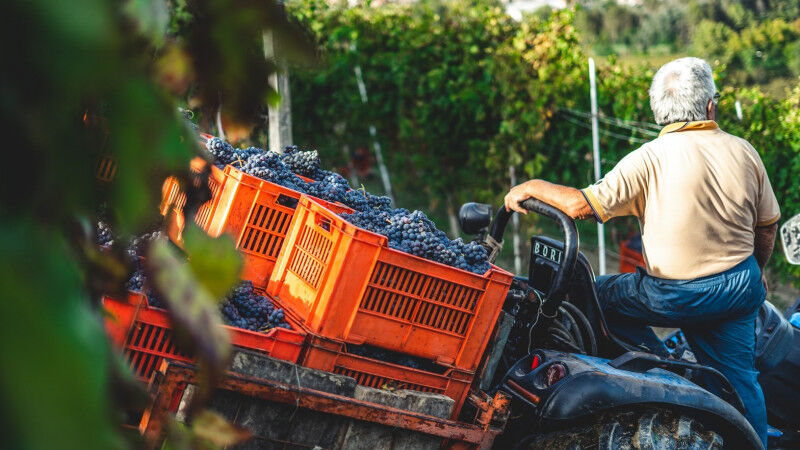
Barolo and Barbaresco: A Journey Through Piedmont’s Most Celebrated Wines
The mere mention of the legendary dry reds Barolo and Barbaresco from Piedmont evokes images of rolling hills shrouded in autumn mists and a winemaking tradition that dates back centuries. Both wines are crafted solely from the prized Nebbiolo grape—revered as the “king of grapes”—and stand as two of Italy’s most acclaimed and storied reds.
The prestige of Barolo is legendary, often compared to the allure that Pinot Noir holds in Burgundy. Both Barolo and Barbaresco proudly carry the coveted DOCG designation, representing the pinnacle of Italian wine classification and a testament to their meticulous production standards and rich heritage.
Although these wines share a grape and a region, their differences in location—each named for its home village—and nuanced production methods create distinct personalities that tell the story of their land and makers.
While Barolo is frequently hailed as the noblest expression of Nebbiolo, Barbaresco delights with its own refined charm and elegance. Let’s explore the unique histories, traditions, and flavors that distinguish these two legendary wines—and discover which style of Nebbiolo best suits your palate.
Discovering Barolo: The Heart of Piedmont’s Wine Tradition
Barolo is born in the storied hills of the Barolo region, a picturesque horseshoe-shaped enclave in Piedmont that encompasses several ancient villages renowned for cultivating Nebbiolo. Traditionally, Barolo was a wine enjoyed by nobility and even dubbed “the wine of kings, the king of wines.” Many bottles blend grapes from different villages, but when the fruit originates from a single village, its name graces the label, honoring its roots.
A notable example is Barolo Serralunga d’Alba DOCG. The most illustrious Barolos come from single-vineyard sites (known as crus), which are often steeped in centuries of history—like the celebrated Barolo Cannubi DOCG.
Barolo’s vineyards, perched at elevations between 300 and 500 meters and basking in the southern sun, allow Nebbiolo grapes to ripen slowly, developing complex flavors and vibrant acidity. In the cellar, gentle extraction techniques preserve elegance and finesse while keeping tannins in check. By law, Barolo must be aged for three years before release, with at least 18 months spent in oak barrels—ranging from traditional large casks to smaller barriques, depending on the winemaker’s vision.
For those seeking even greater depth, Barolo Riserva undergoes a minimum of five years’ aging, allowing it to mature into a wine of extraordinary complexity. Time in the bottle is essential, unlocking layers of aroma and flavor that make Barolo a true treasure of Italian viticulture.
The Signature Traits of Barolo Wines
- Barolo displays a luminous ruby color that evolves to alluring amber as it matures.
- Expect a bouquet of tart cherry, savory herbs, and delicate dried flowers.
- With age, Barolo reveals earthy truffle, supple leather, and its iconic tar notes—hallmarks of its terroir.
- This wine is known for its power: full-bodied, with pronounced acidity and robust tannins.
- These structural elements contribute to Barolo’s legendary aging potential.
- Alcohol levels typically range between 13% and 15%, lending warmth and depth.
Celebrated Examples of Barolo
Exploring Barbaresco: The Graceful Counterpart
Just 20 kilometers northeast of Barolo lies the enchanting Barbaresco region. Despite its slightly more northerly position, vineyards here benefit from lower, south-facing slopes (200–400 meters above sea level) and the moderating influence of the Tanaro River, which encourages Nebbiolo grapes to ripen earlier than in Barolo.
Barbaresco’s fertile soils yield wines that balance fruit and floral aromatics with a softer, less tannic structure than its neighbor. Traditional winemaking here includes careful maceration—sometimes even cold maceration—to coax out color and flavor while keeping tannins refined and approachable.
By law, Barbaresco DOCG must be aged for at least two years, with a minimum of nine months in oak. The esteemed Barbaresco Riserva is matured for four years, allowing for greater complexity and finesse. Due to the region’s smaller size, village names are less commonly found on labels, but single-vineyard crus remain highly prized.
Barbaresco’s story is intertwined with the cooperative spirit of local winemakers and the enduring traditions of Piedmont, resulting in a wine that is elegant, nuanced, and deeply connected to its landscape.
Key Features of Barbaresco Wines
- Barbaresco shines with a ruby hue, developing an amber edge as it matures.
- It offers a tapestry of flavors: tart cherry, herbal undertones, and perfumed dried flowers.
- With age, expect subtle notes of truffle, leather, and a hint of tar.
- While full-bodied and vibrant, Barbaresco is generally softer and less tannic than Barolo.
- Its balanced acidity and tannins provide a graceful structure for aging.
- Alcohol content ranges from 12.5% to 14.5%, offering a harmonious profile.
Notable Barbaresco Wines
- Barbaresco, Produttori del Barbaresco, Piedmont, Italy
- Barbaresco, Marchesi di Barolo, Piedmont, Italy
- Barbaresco, Prunotto, Piedmont, Italy
The Shared Legacy: What Unites Barolo and Barbaresco?
Beneath their differences, Barolo and Barbaresco are bound together by the ancient Nebbiolo grape, whose roots in Piedmont trace back to the 13th century. Over the centuries, the grape’s evolution in these two distinct terroirs has given rise to unique expressions, each shaped by local tradition and the hands of generations of vignerons.
Both wines share a dedication to quality and a cultural significance that goes beyond the glass, representing the soul of Piedmont’s winemaking history and the pride of its people.
The Transformation of Barolo: From Sweet to Majestic
While Nebbiolo had been cultivated in Piedmont for centuries, Barolo only began to take on its modern, dry style in the mid-1800s. Previously, Barolo was a sweet, robust wine akin to ruby Port—an approach used to temper Nebbiolo's natural tannins. Historical accounts, including those from Thomas Jefferson during his European travels, remarked on the wine’s pleasing effervescence and richness.
It was not until the influence of French winemakers and evolving local expertise in the 19th century that Barolo shifted to the elegant, structured dry red that captivates wine lovers today. This transformation solidified Barolo’s reputation, culminating in its prestigious DOCG status in 1980, and securing its place among the world’s elite wines.
The Evolution of Barbaresco: A Story of Innovation and Community
Barbaresco’s path diverged from Barolo’s but led to equally illustrious results. For centuries, Nebbiolo wines from this area were rustic and straightforward. The turning point came in 1894, when Domizio Cavazza founded the Cantina Sociale del Barbaresco, inspired by the sophisticated reds of Bordeaux.
Under Cavazza’s stewardship, Barbaresco embraced modern winemaking techniques, focusing on producing elegant, dry Nebbiolo wines that highlighted the region’s unique terroir. By the late 1950s, a new generation of winemakers further refined Barbaresco’s style, and the wine began to gain international acclaim. Today, Barbaresco stands as a testament to collaboration, tradition, and the pursuit of excellence.
Deep Roots: The Nebbiolo Grape in Piedmont’s Vineyards
Barolo and Barbaresco derive their character from Nebbiolo, Piedmont’s most celebrated native grape. First chronicled in the 13th century, Nebbiolo is a finicky variety, requiring a long growing season and ample sunshine to reach its full potential. Its thick skins yield wines of delicate ruby color yet formidable tannin structure.
Nebbiolo appears in around 30 Piedmontese appellations, but its most profound expressions are found in Barolo and Barbaresco. The grape’s name is believed to have originated from the Italian word for “fog” (nebbia), which frequently blankets the region during harvest. Other theories suggest it refers to the grape’s cloudy skin or derives from a local term meaning “noble.”
Known elsewhere as Spanna (in northern Piedmont), Chiavennasca (Lombardy), and Picotener (Valle d’Aosta), Nebbiolo is revered for its complexity, aging potential, and the haunting beauty of its aromas—ranging from tart cherry and dried rose to truffle, tobacco, and licorice. Like Pinot Noir, Nebbiolo is challenging to grow outside its native region, further elevating the mystique and desirability of Barolo and Barbaresco.
Barolo vs. Barbaresco: Aromatic and Flavor Differences
While Barolo and Barbaresco share a foundation of tart cherry, rose petal, and earthy undertones, their personalities diverge. Barolo delivers a firmer, more tannic structure and generally boasts higher alcohol, making it a wine of remarkable power and longevity. Barbaresco, in contrast, offers a softer approach, with silkier tannins and a more accessible profile in its youth.
Both wines reveal added complexity over time, developing notes of truffle, tar, and spice. Their shared Nebbiolo heritage ensures a profile of elegance and depth, but the distinctions in tannin and structure influence how each pairs with food—and how each ages in the cellar.
Pairing Barolo and Barbaresco: A Feast of Traditional Flavors
Barolo’s bold character—marked by high tannins, vibrant acidity, and robust flavors—makes it the perfect companion for hearty, richly flavored dishes. The cuisine of Piedmont, with its emphasis on meats, truffles, and aged cheeses, has evolved alongside Barolo, resulting in classic pairings that celebrate both wine and food.
Barolo shines with tomato-based recipes, fatty cuts of meat, and protein-rich fare. It also complements the region’s celebrated cheeses and savory vegetable dishes.
- Appetizers: Cured meats; herb-crusted mushrooms; tomato bruschetta; black olives; roasted vegetables.
- Main Courses: Creamy truffle risotto; Brasato al Barolo (beef braised in Barolo); beef and mushroom pie; traditional offal dishes; gnocchi with Gorgonzola sauce; roast duck; veal Ossobuco with polenta; rib-eye steak; Eggplant Parmesan.
- Desserts: Dark chocolate mousse or rich flourless chocolate cake.
- Cheese: Provolone; Gorgonzola; Castelmagno.
Barbaresco: A Versatile Match at the Table
With its elegant, more approachable structure, Barbaresco pairs beautifully with a wide range of dishes—especially those with creamy, buttery, or subtly gamey flavors. Its finesse makes it a delightful companion for both classic Piedmontese and contemporary cuisine.
- Appetizers: Traditional fondue; charcuterie; rice and mushroom-stuffed peppers.
- Main Courses: Grilled steak; herb-crusted lamb; wild game; blue cheese burgers; Spaghetti Bolognese; creamy truffle risotto; four-cheese pizza; Eggplant Parmesan; duck breast; Ossobuco.
- Desserts: Dark chocolate tart or mousse; berry panna cotta.
- Cheese: Mature Pecorino, Parmigiano Reggiano, Gorgonzola, Cheddar, Gouda.
all.sign in to leave a review