Burton F. Kaufman:
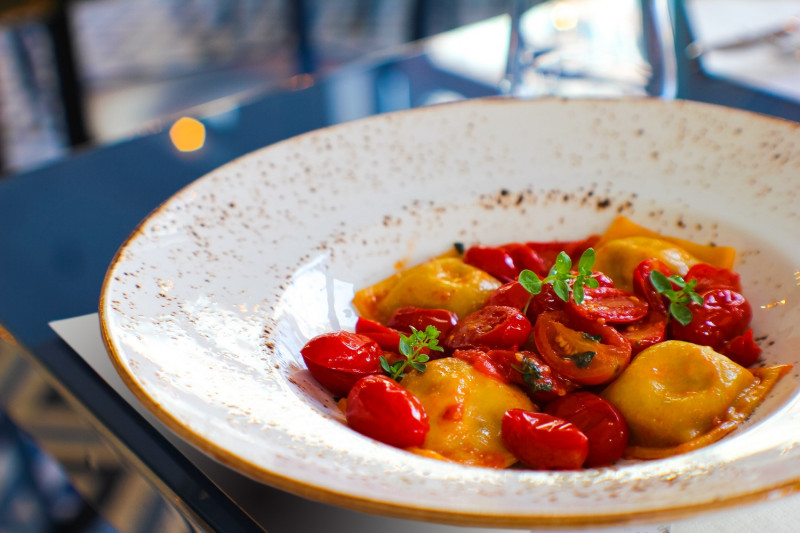
Celebrate the abundance of fresh basil from your summer garden with a creative twist on a classic Italian specialty. This recipe draws inspiration from Liguria, the northwestern Italian region where the legendary basil pesto—Pesto Genovese—originates. Rather than simply tossing pasta with pesto, as is iconic in Italian households, this dish innovatively incorporates the aromatic sauce directly inside tender ravioli for a burst of flavor in every bite.
While pesto is traditionally a finishing touch in Italian cuisine, here it balances the creamy, comforting potato filling to deliver a subtle sweetness and herbal freshness. Encased in silky homemade ravioli, this unique preparation is a delightful new way to enjoy two favorites: basil pesto and handmade pasta. If you’re a fan of green beans and the nuttiness of toasted almonds, this recipe will become a staple for dinner parties and family gatherings—expect empty plates and plenty of compliments!
Make the most of the season’s green bounty with this light and vibrant pasta dish, a fresh interpretation of the beloved Pasta alla Ligure, which pairs pasta with potatoes, green beans, and pesto. For more inspiration, explore a world of homemade Italian pasta recipes and sauce variations that celebrate Italy’s rich culinary traditions.
Stay up-to-date with the latest pasta-making tips, regional recipes, and wine pairings by subscribing to the Mamablip newsletter, your gateway to authentic Italian gastronomic experiences.
IngredientsTry it with...
Preparation
for 4 servings
Step
1
Of 6
Start by boiling the potatoes in a large pot of water until fully tender. Drain and let them cool just enough to handle, then peel and set aside.
Wash the basil leaves gently and pat them dry with a paper towel to prevent bruising. If using fresh garlic, remove the skins and halve the cloves to take out the central stem (especially if it’s green).
To preserve the basil’s vibrant color and flavor, place the basil, garlic, your choice of nuts, and 100g of grated Parmesan in a food processor or a tall container for an immersion blender. Chill the ingredients briefly before blending to avoid oxidation. Process until you achieve a thick, smooth paste, drizzling in olive oil gradually to help the ingredients come together. Cover the pesto with plastic wrap and refrigerate until needed.
Combine the cooled, peeled potatoes and the chilled pesto in a large bowl. Mash the potatoes thoroughly and mix in the pesto until the filling is well-blended. Season generously with salt, black pepper, olive oil, and extra Parmesan if desired. The filling should be creamy yet firm, aromatic, and well-seasoned.
Step
2
Of 6
Sift the flour onto a wooden surface, forming a well in the center. Crack the eggs into the well one at a time, then add an extra egg yolk for richness.
Use a fork to beat the eggs and begin drawing in flour from the edges, gradually incorporating all the flour until a rough dough forms. Knead the dough by hand, pressing and folding with your palms until it becomes silky, uniform, and elastic.
Shape the dough into a smooth ball and place it on a plate. Cover with a damp cloth or plastic wrap and let it rest in a cool spot for at least 30 minutes, up to an hour. Resting allows the gluten to relax, making the dough easier to roll out later—a crucial step for perfectly textured pasta.
Step
3
Of 6
Dust your work surface lightly with flour to prevent sticking, using as little as needed.
Divide the dough into manageable sections. Take one piece and roll it out with a pin or pasta machine until thin but not fragile. Repeat with the other portions to create even pasta sheets. Keep the sheets covered with a moist towel to retain flexibility.
Cut the dough into squares using a pasta cutter or knife. Place a teaspoon of the potato-pesto filling in the center of each square. Fold or top with another square of pasta and press the edges firmly—use a fork to crimp and seal the ravioli, ensuring they won’t open during cooking.
Arrange the filled ravioli on a tray dusted with semolina or flour to keep them from sticking together as you work.
Step
4
Of 6
Heat a few tablespoons of olive oil in a sturdy sauté pan. Add the garlic and let it turn golden. Stir in the cherry tomatoes and cook gently over low heat for about 20 minutes, allowing flavors to meld.
Blend the sauce with an immersion blender for a smooth texture, or leave it chunky for rustic appeal. For a silkier finish, strain through a sieve. Adjust the flavor with salt and a pinch of sugar to balance the acidity. Drizzle with high-quality extra virgin olive oil, ideally from a recent harvest, for enhanced aroma and richness.
Step
5
Of 6
Bring a large stockpot of water to a rolling boil. Add a generous pinch of salt and a few drops of olive oil. Gently submerge the ravioli a few at a time to prevent overcrowding.
Cook the ravioli until they float to the surface and are "al dente"—firm, yet tender and not mushy. This usually takes just a few minutes. Use a slotted spoon to lift them from the water, draining well, and keep them warm for assembly.
Step
6
Of 6
Preheat your oven to 160°C (320°F) and line a small baking tray with parchment paper.
While the ravioli are cooking, trim and cut the green beans into 1-inch pieces. Boil them until tender yet crisp, then drain and run under cold water to preserve their color and texture. Season with olive oil and salt.
Toast the almond slices in the oven for about 5 minutes, watching closely to prevent burning.
To plate, spoon some tomato sauce onto each serving dish and spread it in a circular pattern. Place a portion of hot ravioli on top, add extra sauce, and garnish with the green beans, toasted almonds, and either shards of ricotta salata or a generous grating of Parmesan cheese. Serve immediately, savoring the blend of textures and fresh flavors.
Try it with...
Filippo Bartolotta
...Great Italian Goodies!
Burton F. Kaufman Thursday 13th of May 2021
Wow