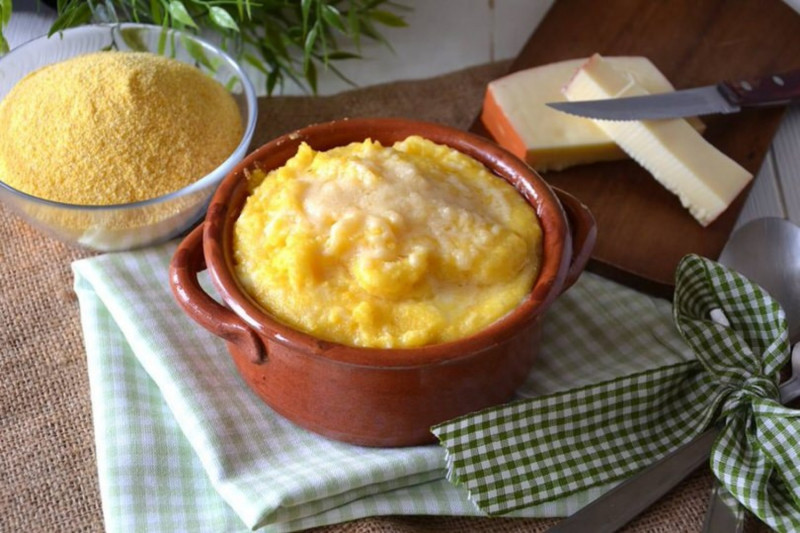
Traditional Creamy Italian Polenta
A velvety, rustic Italian staple—perfect with hearty stews, slow-cooked meats, or artisanal cheeses. Rediscover the soul of Italian comfort cuisine!
- ( Scored 5 on 1 reviews )
Carmela Cristiano:
Polenta is not a quick fix for a meal, that's for sure. But if you have time, making polenta from scratch is both satisfying and absolutely amazing!
As the seasons transition and the promise of a vibrant Tuscan spring lingers in the air, there are evenings when nothing satisfies quite like a steaming bowl of classic Italian Polenta. Especially when a lingering chill invites us to indulge in comforting, time-honored recipes, this dish stands out as a symbol of rustic Italian warmth and tradition.
Have you ventured into preparing authentic polenta at home? While crisp, fried polenta treats have their loyal fans, the pure, creamy texture of slowly cooked polenta is a testament to the beauty of simplicity in Italian culinary heritage. Its roots stretch back to Roman times, when a similar dish called "puls" was made from spelt. Over centuries, maize (corn) replaced ancient grains, giving rise to the beloved polenta we savor today.
Traditionally, polenta serves as the perfect canvas for rich, slow-braised meats, absorbing their savory juices. However, it shines just as brightly paired with roasted seasonal vegetables, a generous drizzle of high-quality extra virgin olive oil, and a splash of tangy Balsamic vinegar, making it a versatile foundation for both meat-lovers and vegetarians.
For those seeking to elevate their meal, explore curated wine and food pairings—a robust red or a full-bodied white can enhance the creamy, mellow flavors of polenta. Discover more pairing suggestions and culinary inspirations at dedicated wine and recipe collections online for an authentic Italian dining experience at home.
Stay inspired in the kitchen by subscribing to Italian recipe newsletters—delivering savory tips, wine insights, and traditional secrets right to your inbox. Mastering the art of Italian cuisine has never been so accessible or delicious!
 Ingredients
 ...Great Italian Goodies!