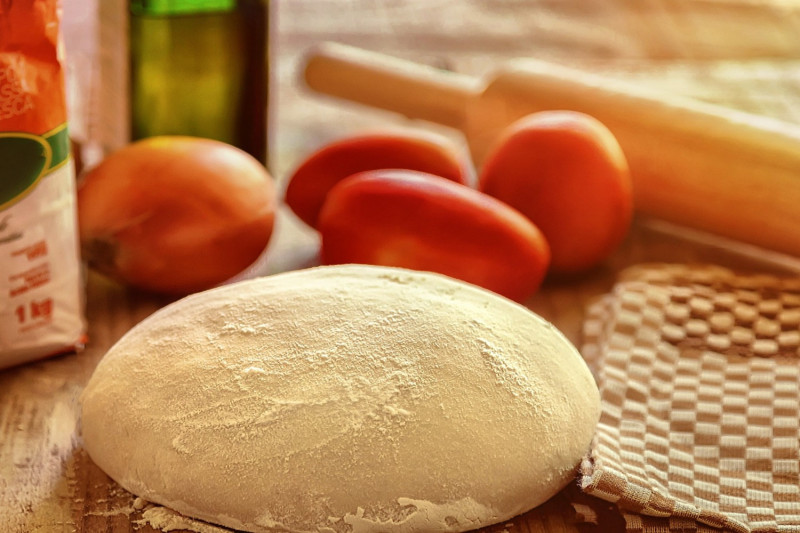
Essential Homemade Italian Pizza Dough: Step-by-Step Guide
Your gateway to the perfect Italian pizza: easy, reliable, and rooted in tradition.
- ( Scored 5 on 1 reviews )
RyanGio:
I eat pizza twice a week and make it my self. I prepare a lot of dough and freeze it. Then I use it when needed.
Discover the Classic Foundation of Authentic Pizza Dough
Pizza stands as a symbol of culinary heritage, beloved across continents for its irresistible crust, aromatic tomato sauce, luscious mozzarella, and vibrant basil. While many commercial pizzas are rich in calories, sodium, and refined carbs, crafting your own pizza at home lets you control every ingredient, using premium high-protein flours and fresh, organic toppings. With the right technique, homemade pizza transforms into a nourishing, flavorful, and balanced meal perfect for your regular menu.
This meticulously curated recipe is the product of numerous test kitchen trials, ensuring you’re well-equipped for a flawless homemade pizza night. When paired with our recommended version of Margherita pizza, you're in for an authentic Italian experience.
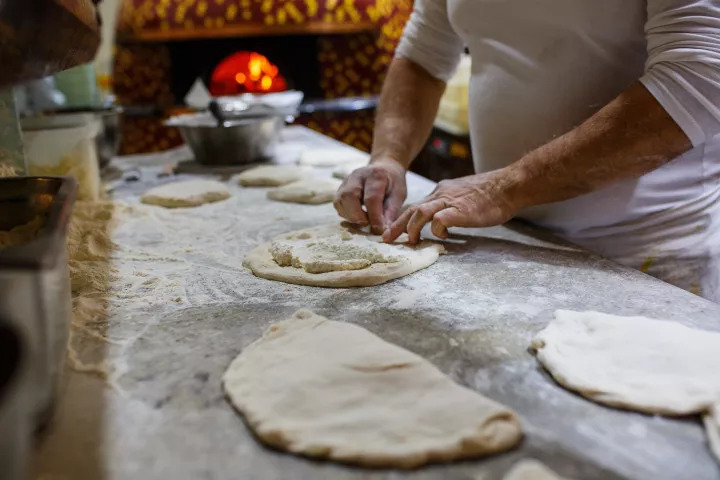
Perfect Wine Pairings for Your Pizza Night
Choosing the ideal Italian wine to accompany your pizza can elevate the entire meal. Opt for a full-bodied white wine with moderate acidity, which complements the tomato’s sharpness without overpowering it. Fragrant southern Italian whites are especially delightful, boasting fruity aromas and a refreshing finish. Alternatively, a Sangiovese pairs beautifully, particularly if your pizza features hearty toppings like salami, prosciutto, or sausage. If you crave bubbles, a classic method Franciacorta offers a celebratory touch that harmonizes with the flavors and textures of your pizza.
 Ingredients

 ...Great Italian Goodies!