Discovering Vermentino: A Journey Through Mediterranean Wines and Traditions
• Vermentino is a versatile grape, giving life to aromatic still dry wines as well as sparkling, passito, and late-harvest bottles that capture the essence of the Mediterranean coast.
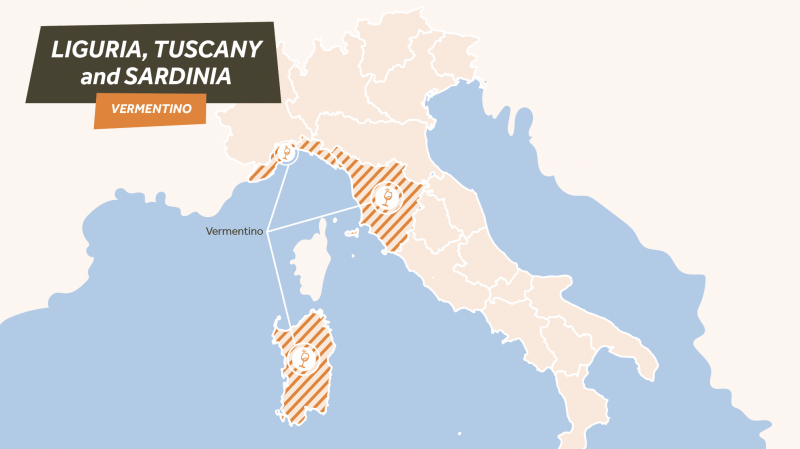
• The heartlands of Vermentino cultivation are Sardinia and Tuscany, regions steeped in wine tradition and culinary heritage.
• Unique varieties flourish across Italy: in Liguria, it's called Pigato, while in Piemonte, it goes by Favorita. Each region infuses its own character into the grape, shaped by local customs and ancient winemaking practices.
• Typically, Vermentino wines enchant with notes of citrus, tropical fruits, Mediterranean herbs, almond, floral touches, and a distinct saline minerality—a reflection of the sea breezes and sun-soaked soils where the grape thrives.
• These wines offer a refreshing light to medium body and a vibrant acidity, echoing the lively cuisine of the Italian coastline.
• Vermentino is recognized in over 30 DOC and DOCG appellations, a testament to its deep roots in Italian winemaking.
• The crown jewel among them is the prestigious Vermentino di Gallura DOCG from Sardinia, an area where ancient traditions and modern techniques merge to create truly remarkable wines.
• Alcohol levels typically range from 11.5% to 12.5%, making it a delightful companion for leisurely, convivial meals under the Mediterranean sun.
The Essence of Vermentino: History, Terroir, and Character
Celebrated as a flagship white grape in Sardinia and Tuscany, Vermentino embodies the spirit of Italian coastal living. For centuries, it has been central to local festivities, paired with seafood feasts and village gatherings. Its biotypes, known as Pigato in Liguria and Favorita in Piemonte, reveal how deeply woven Vermentino is into Italy’s regional identities. Today, a chilled glass of Vermentino graces countless Italian tables, evoking memories of traditional recipes and sun-drenched landscapes.
Unveiling Vermentino: Origins, Names, and Winemaking Traditions
Across mainland Italy, Sardinia, southern France, and Corsica, Vermentino is a grape with many names and stories. In Liguria, locals call it Pigato, a name rooted in the region's dialect, while Piemonte's winemakers cherish their Favorita. In southern France, it is renowned as Rolle. Each name reflects a unique history, shaped by centuries of trade, migration, and local tradition.
Although ampelographers still debate the precise genetic relationships, it is widely accepted that these are clonal variants or biotypes of the original Vermentino stock. Despite their differences, these wines are united by aromatic profiles bursting with citrus, herbs, and subtle minerality—key traits that have delighted generations of wine lovers.
Vermentino is celebrated for its adaptability, producing a spectrum of wine styles from crisp and dry to sparkling, luscious passito, and luscious late-harvest expressions. Whether bottled as a single-varietal or blended with local grapes, Vermentino remains a pillar of Mediterranean winemaking.
Exploring the Flavors of Vermentino: A Taste of the Mediterranean
When you sip Vermentino, you’re tasting the sun and sea of its native lands. Expect zesty citrus, juicy tropical fruit, wild herbs, almond, delicate florals, and a briny minerality that conjures images of coastal cliffs and salt-sprayed air. Its characteristic light to medium body and lively acidity are perfect for the region’s vibrant cuisine, making Vermentino a staple at seaside celebrations and family feasts alike.
Wine Styles Through the Ages: The Many Faces of Vermentino
From ancient times to modern tables, Vermentino has inspired winemakers to craft a wide array of styles. Beyond the classic still dry wine, it is transformed into sparkling frizzante, decadent passito, and late-harvest gems. Each style carries echoes of local tradition, reflecting the enduring bond between the grape, the land, and the people who cultivate it.
Inspired Pairings: Vermentino and the Culinary Heritage of Italy
The lively freshness and mineral complexity of Vermentino make it a treasured companion for Italian cuisine. Its roots in coastal regions have shaped a tradition of pairing it with the bounty of the sea and vibrant local produce. To fully appreciate Vermentino, consider its acidity and subtle sweetness, and explore pairings that celebrate the flavors of the Mediterranean:
Sparkling Vermentino: A Festive Beginning
Perfect as an aperitif, sparkling Vermentino welcomes guests with its crisp bubbles—an ideal start to sunlit gatherings or festive occasions.
Classic Dry Vermentino: A Taste of the Coast
- Appetizers: Savor with charcuterie, green olives, stuffed vine leaves, roasted vegetables, and grilled artichokes, all staples in coastal Italian antipasti traditions.
- Main Courses: Pair with creamy truffle risotto, tender calamari, spinach quiche, pesto pasta, grilled halibut, chicken tacos, garlic roasted trout, pork, seafood, sushi, and tempura—dishes that echo the diversity of Italy’s culinary landscape.
- Cheese: Delight in fresh goat's cheese, mozzarella, and ricotta, reflecting the region’s rich dairy heritage.
Sweeter Vermentino Styles: Indulgence and Tradition
- Appetizers: Enjoy with charcuterie, herbed mushrooms, fondue, and lightly spiced Indian snacks like samosas.
- Main Courses: These wines shine alongside lobster, roast veal, lamb, and suckling pig—dishes often reserved for festive celebrations and family gatherings.
- Desserts: Complete your meal with Italian donuts, biscotti, or a ricotta cheesecake, paying homage to classic Italian pastry traditions.
- Cheese: Pair with bold blue cheese or aged Comté to highlight the wine’s sweet and savory contrasts.
The Origins of Vermentino: Ancient Roots Across the Mediterranean
The ancestry of Vermentino is steeped in mystery, intertwined with the vibrant history of Mediterranean trade and migration. Some scholars believe it arrived in Italy from Spain, brought by merchants and sailors, while others trace its journey from the Middle East, carried by the ancient Greeks who established settlements along the Italian coast.
Historical records indicate that Vermentino has flourished in Sardinia since the 14th century, known by different names as it traveled through time and across regions, always adapting to the unique character of each new home.
Today, you’ll find Vermentino thriving not only in Italy and France (where it’s called Rolle), but also in the United States, Argentina, Lebanon, and Australia. Each region brings its own traditions and stories to this ancient grape, adding new chapters to its rich legacy.
From Vineyard to Glass: Traditional and Modern Methods of Vermentino Winemaking
Crafting Classic Still Vermentino
To preserve Vermentino’s fresh fruit character, grapes are gently pressed and may undergo brief skin contact for greater aromatic intensity. Fermentation typically takes place in stainless steel tanks, safeguarding the wine’s vibrant citrus and herbal notes. Many producers enrich the texture by aging the wine on its lees for several months, a technique that has been refined over generations to balance tradition and innovation.
Sweet Styles: Passito and Late Harvest Treasures
For passito, grapes are carefully dried on straw mats in the time-honored appassimento method, concentrating their sugars and flavors. Alternatively, late-harvest styles allow fruit to linger on the vine, naturally intensifying sweetness—a nod to the patience and skill of local winemakers who have perfected these techniques over centuries.
Bubbly Vermentino: Celebrating with Sparkle
Vermentino’s lively sparkling wines are often crafted using the Charmat method, with a second fermentation in tank to capture delicate bubbles. The more prestigious traditional method—where secondary fermentation occurs in the bottle—yields complex Spumante expressions, beloved at festive gatherings and coastal celebrations.
Wines with a Kindred Spirit: Exploring Alternatives to Vermentino
- Sauvignon Blanc from New Zealand—famed for its zesty acidity and aromatic flair.
- Austria’s Grüner Veltliner—known for its crisp, peppery notes and food-friendly style.
- Chenin Blanc from France—a versatile white with mineral undertones.
- Arneis from Piemonte, Italy—another Piedmontese gem with floral and fruity character.
- Roupeiro from Portugal—fresh and lively, echoing the Mediterranean spirit.
- Viognier of the Rhône Valley, France—famed for its perfumed bouquet.
- Albariño from Spain—vibrant and saline, reminiscent of Vermentino’s coastal charm.
Lesser-Known Insights: Vermentino’s Unique Place in Local Tradition
- Vermentino goes by many names—Rolle, Rollo, Pigato, Favorita, and Malvoisie de Corse—each reflecting the grape’s journey through varied lands and cultures.
- Nearly half of the world’s Vermentino is grown in Sardinia, where local festivals often celebrate the grape’s harvest and the island’s deep agricultural heritage.
- This resilient grape thrives in warm, sun-kissed climates with less fertile, stony soils—conditions that have shaped the Mediterranean landscape for millennia.
all.sign in to leave a review