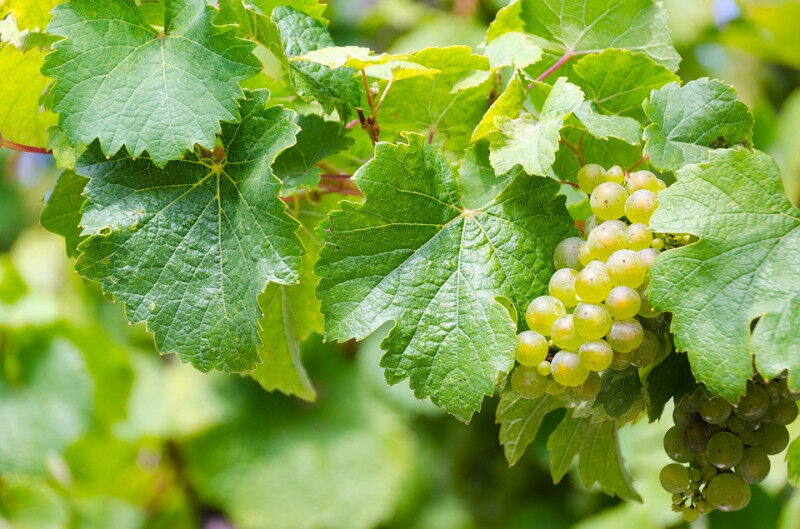
Riesling vs Moscato: A Sensory Journey for Wine and Food Lovers
If you’re seeking wines that ignite the senses and delight the palate, Riesling and Moscato are two aromatic treasures you must explore. Both grapes are celebrated for their intoxicating scents and vibrant flavors—Riesling bursting with citrus, green apple, and, with age, that deliciously quirky whiff of petrol; Moscato enveloping you in a cloud of white flowers and sun-ripened peaches.
Both varietals are chameleons in the glass, crafted in styles ranging from bone-dry to decadently sweet, and from crisp still wines to lively sparklers. The main contrast lies in their Italian presence: Moscato, with its deep-rooted tradition, graces far more vineyards than the rarer Riesling. Their personalities at the table are equally distinct—Riesling is famed for its remarkable aging potential, while Moscato is best enjoyed young and effervescent. Both, however, offer a world of pairing possibilities that thrill food lovers. Let’s embark on a delicious exploration of what makes each grape irresistible.
Riesling: The Versatile Classic
Sensory Hallmarks and Regional Stories
- Riesling hails from Germany’s legendary Rhine Valley, a region steeped in centuries-old winemaking traditions where vineyard slopes catch the morning mist and sun.
- The bouquet unveils a spectrum: bracing lime and lemon, delicate white blossoms, honeyed notes, and with maturity, the intriguing aromas of wax, petrol, and lanolin—each bottle telling the tale of its terroir.
- German Rieslings span a mesmerizing range, from bone-dry (trocken) to nectar-sweet (auslese, trockenbeerenauslese), always with a backbone of zesty acidity.
- This natural acidity allows Riesling to develop complexity over years—even decades—yet some Italian riffs are designed for a fresh, early-drinking experience.
- In Italy, Riesling vines are a rare gem, with just 446 hectares, found in Lombardia, Toscana, Trentino, Alto-Adige, Veneto, and Puglia.
- Alpine Rieslings from Italy are particularly revered, shaped by brisk mountain air and mineral-rich soils for a crystalline, refreshing finish.
Exceptional Rieslings to Savor
- Hérzu, Ettore Germano (Langhe, Italy): A vibrant expression that balances orchard fruit and a stony backbone—perfect for food pairing.
- Kaiton Riesling, Kuenhof (Alto Adige): Classical and pure, with racy acidity and an Alpine freshness that lingers on the palate.
- Schulz, Roncodel Gelso (Friuli-Venezia Giulia): Distinctive, with an aromatic profile that dances between citrus zest and wildflowers.
Moscato: The Aromatic Storyteller
To taste Moscato is to step into a garden in full bloom or to bite into a sun-warmed peach. This ancient grape family—one of the most storied in winemaking—has enchanted drinkers for millennia. Beloved for its sweet and floral charm, Moscato is considered by some ampelographers to be the patriarch of the Vitis vinifera species.
With over 200 known types, Moscato is a global phenomenon found in white, pink, and even black-skinned grape forms. What unites them is their heady perfume—notes of orange blossom, musk, and ripe grape leap out of the glass. The most iconic Italian example is Moscato d’Asti—a gently sparkling, low-alcohol delight from Piedmont, crafted from Muscat Blanc à Petits Grains. Each sip delivers a caress of stone fruit, delicate florals, and a playful sweetness. Across Italy, you’ll also discover Muscat Ottonel, Muscat of Alexandria, Moscato Nero, and Moscato Rosa—each with its own regional twist.
Moscato: Signature Traits and Italian Traditions
- The Muscat family’s roots stretch across continents, making it one of the world’s most beloved and recognizable wine grapes.
- Italy’s Muscat Blanc à Petits Grains (Moscato Bianco) is prized for its perfume of peach, spring blossoms, and a gentle, grapey sweetness lifted by bright, food-friendly acidity.
- This grape is the soul of Asti Spumante and Moscato d’Asti—effervescent wines woven into celebrations and Sunday lunches all over northern Italy.
- Moscato also stars in dry wines (like Muscat de Chambave from the Alpine Aosta Valley), unctuous passito dessert wines in Calabria, and rare fortified wines in Sardinia.
- With 3,538 hectares under vine in Italy, Moscato shapes countless DOC and DOCG labels—each a testament to local pride and tradition.
Moscato Marvels to Explore
- Moscato d’Asti, G.D. Vajra (Piedmont): A benchmark bubbly, swirling with floral, peach, and citrus notes—ideal for brunch, dessert, or a festive toast.
- Moscato di Sardegna, Siddùra Nùali Passito (Sardinia): A luscious, sun-dried dessert wine, layered with dried apricot, honey, and Mediterranean herbs.
- Chambave Muscat, La Vrille (Aosta Valley): A dry, aromatic wine from the snow-capped Alps—vivid, zesty, and perfect as an aperitif or with alpine cheeses.
The Roots of Riesling and Moscato: A Cultural Tasting Tour
Riesling’s Ancient Heritage
Riesling is woven into the very fabric of German winemaking, first documented in the 13th century in the Rheinhessen, along the storied Rhine. These slopes have long been prized for their ability to capture sunlight and produce wines of crystalline purity and bracing freshness. Riesling’s journey extended to Austria and Alsace (France), where it became the backbone of elegant, aromatic whites. Genetic studies suggest Riesling emerged from a union of Gouais Blanc and Traminer—an ancient crossing that may have occurred near the Rhine or even further south by the Adriatic. Its reputation as a noble grape was cemented by its ability to express terroir and age with grace, making it a prized companion for German feasts, from river fish to pork and sauerkraut.
Today, the grape’s Alpine incarnations in Northern Italy evoke both Germanic precision and Italian flair. In local culture, Riesling often accompanies hearty mountain fare and festive autumn gatherings.
Moscato: A Grape with Ancient Allure
The story of Moscato is as old as winemaking itself. Some believe the grape was cherished by Persians and Egyptians; others credit Greeks and Romans, who penned odes to sweet, perfumed wines. In antiquity, Moscato was likely poured at lavish banquets and woven into the rituals of Mediterranean life. The grape’s modern tale began in the 13th century, when English Franciscan Bartholomeus Anglicus mentioned it in Saxony, and later French texts described it as “vin extrait de raisins muscats.” Over centuries, Moscato has become a symbol of joy and hospitality, the centerpiece of Italian holiday tables and celebratory toasts.
Today, a glass of Moscato embodies Italian dolce vita—served with panettone at Christmas or sipped with fruit tarts in summer, it represents the sweet side of life and the enduring power of tradition.
Riesling and Moscato in the Vineyard: Stories of the Grapes
Riesling is a grape that thrives in the chill of northern vineyards. Its late budding means it avoids the frost that can devastate lesser varieties, while its sensitivity to climate and soil makes it a canvas for terroir. German winemakers have long waxed poetic about Riesling’s ability to translate the essence of each vintage into the glass. High acidity allows for staggered harvests and a dizzying range of styles—from bone-dry to honeyed late-harvest, including botrytized (noble rot) treasures. In Germany, Riesling is celebrated both as a still wine and as the vibrant sparkling Sekt. Italy’s northeastern mountains, with their cool breezes and mineral soils, offer a distinctively Italian take on this classic grape.
The Many Faces of Moscato
Moscato’s diversity is legendary. Focusing on Muscat Blanc à Petits Grains—the star of Asti’s sparkling and passito wines—you’ll find a grape that loves warmth but requires patience, ripening late and demanding careful tending. Its susceptibility to vineyard challenges means that every bottle is a testament to the grower’s skill. The grape’s many aliases—Moscato Bianco, Muscat Canelli, Moscatel—reveal its pervasiveness in sweet wines worldwide. In Italy, Moscato Bianco is the fourth most planted white grape, gracing 17 DOCs and playing a role in everything from festive bubbles to meditative dessert wines.
Culinary Adventures: Pairing Riesling and Moscato with Food
Riesling: The Food Lover’s Secret Weapon
No grape dances more gracefully at the table than Riesling. Its naturally high acidity and layered aromas—think tart apple, citrus, wildflowers, honey, and that signature petrol edge—make it a dream with food. Young, dry Rieslings slice through the brininess of oysters or the crunch of tempura, while aged, off-dry bottles tame the heat of spicy curries and elevate rich, fatty dishes.
Pairing Inspirations for Dry Riesling
- Start with: Briny oysters, sushi, or delicate seafood crudo—each bite is lifted by Riesling’s refreshing zing.
- Main courses: Grilled chicken or fish with herbed oil, creamy pasta with shellfish, leafy salads with feta, or seasonal vegetable fritters.
- Cheese: Tangy feta or fresh mozzarella highlight Riesling’s savory undertones.
Pairing Inspirations for Off-Dry and Sweet Riesling
- Appetizer: Crab and shrimp bruschetta, where sweetness and brine collide.
- Main dishes: Fiery Indian or Thai fare, duck with fruit compote, or creamy risottos that sing with a touch of sweetness.
- Desserts: Lemon meringue pie, tiramisu, apple cobbler, or white chocolate confections—each echoing the wine’s fruit and floral notes.
- Cheese: Blue cheeses for a bold, creamy, sweet-and-salty finale.
Moscato: The Life of the Party
Moscato is a wine that brings a smile to the table, with its floral perfume and gentle bubbles. Whether sparkling or still, its light sweetness and aromatic profile make it a match for foods that challenge drier wines. Moscato invites you to linger, to celebrate, and to savor the simple pleasures of the table.
Sparkling Moscato Pairings
- Appetizers: Spicy charcuterie or zesty Indian snacks—Moscato’s sweetness cools and complements the heat.
- Main dishes: Lively Asian cuisine—think ginger, lemongrass, and chili—meets its match in Moscato’s fruitiness.
- Desserts: Cloud-like pavlova, almond cake, or classic tiramisu are all made more playful with a splash of bubbles.
- Cheese: White Stilton or goat cheese—creamy, tangy, and a perfect contrast to Moscato’s aromatic charm.
Pairings for Dry Moscato
- Appetizers: Crisp crudités, briny oysters—freshness is key.
- Main courses: Vibrant salads, sushi, tempura, light seafood, or grilled salmon.
- Desserts: Fresh fruit salad or silken panna cotta—the perfect summer finish.
- Cheese: Goat cheese, aged Pecorino—salty yet gentle enough for Moscato’s subtlety.
For those who love to share laughter, sunshine, and delicious bites, Moscato is the wine that turns any meal into a celebration.
all.sign in to leave a review