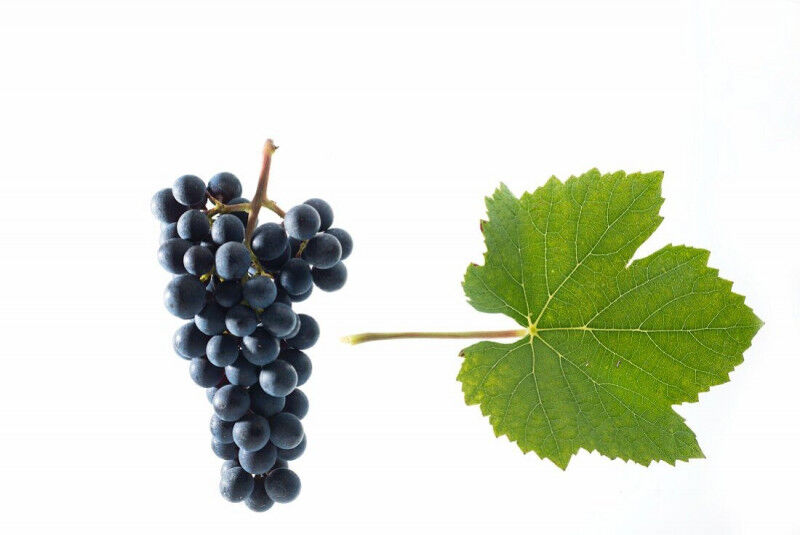
Pinot Noir: Italy’s Elegant Red – Origins, Flavors, and Culinary Traditions
- Pinot Noir, known in Italy as Pinot Nero, is a noble black grape variety crafted into dry red wines as well as refined traditional method sparkling wines.
- This grape thrives in Italy’s cooler northern regions, with Lombardia leading the way, followed by Trentino, Alto Adige, Friuli, and Veneto. These regions have centuries-old traditions of cultivating Pinot Noir, shaped by their unique microclimates and soils.
- The wine is characterized by vibrant sour red cherry notes, medium tannins, and lively acidity, reflecting its cool climate heritage.
- With age, Pinot Nero evolves to develop earthy aromas reminiscent of forest floor, mushrooms, and hints of game – flavors deeply connected to the woodlands and wild game of northern Italy and France.
- Careful oak aging introduces layers of tobacco, smoky undertones, white pepper, and spice, echoing the region’s historic use of oak forests in barrel-making.
- Alcohol levels are typically moderate, ranging from 11.5% to 13.5%, allowing for elegance and versatility at the table.
- Pinot Nero is a cornerstone in the blend of celebrated sparkling wines such as Franciacorta, cherished in festive Italian gatherings.
- The grape covers just over 10,000 acres in Italy, making it a prized rarity and a key player in both DOC and DOCG wines, reflecting Italy’s dedication to quality and tradition.
Pinot Noir: A Timeless Grape with a Storied European Journey
Pinot Nero (Pinot Noir) is a legendary grape whose roots can be traced back to the vineyards of Burgundy, France – a region famed for its monastic winemaking legacy and centuries-old culinary traditions. With a history stretching over a thousand years, Pinot Noir has given rise to over 40 known mutations, a testament to its adaptability and the dedication of generations of growers.
This grape’s delicate nature – thin-skinned, early-budding, and quick to ripen – demands painstaking attention in the vineyard. Italian winemakers, inspired by centuries of European viticultural knowledge, have found success with Pinot Noir only in the country’s cooler northern zones, where alpine breezes and mineral-rich soils preserve its finesse. In warmer climates, it loses its hallmark elegance, emphasizing the importance of tradition and terroir.
Despite its challenges, the allure of Pinot Noir has enticed winemakers throughout history – from the monks of medieval Burgundy to the passionate growers of northern Italy – to persevere and craft wines of haunting complexity and grace.
Flavor Profiles and Styles: The Allure of Italian Pinot Noir
Pinot Nero in Italy produces a spectrum of wines, from youthful, fruit-driven reds to complex, layered bottles with remarkable aging potential. It also stars in traditional method sparkling wines such as Franciacorta from Lombardy, carrying with it the festive spirit of Italian celebrations.
Italian Pinot Nero typically displays a deeper hue and a touch more alcohol than its Burgundian cousin, reflecting the sun-kissed slopes of its native regions. From the prestigious Premier and Grand Cru vineyards of Burgundy to Italy’s DOC and DOCG territories, this grape is cherished for its ability to express place and tradition. Even in more accessible appellations, Pinot Nero offers exceptional quality and food-friendliness, making it a favorite for gatherings where local cuisine and wine intertwine.
The Distinctive Tastes of Pinot Noir: Aromas and Regional Nuances
Young Pinot Nero is typically light to medium ruby in color, opening with bright flavors of tart red cherry and subtle floral notes. As it matures, the wine takes on savory, earthy nuances – evocative of the forest floors, truffles, and wild mushrooms found in the woodlands of northern Italy and France. Game and undergrowth hints connect the wine to the hunting traditions that once shaped the cuisine of these regions, while oak aging introduces alluring notes of clove and spice.
When grown in sunnier, more temperate sites, Pinot Nero’s fruit flavors become denser and more concentrated, but the wine never loses its signature elegance or lively acidity. In Italy, you may also find smoky, peppery, and tobacco nuances – flavors that mirror the local culinary penchant for smoked meats and aged cheeses. Sparkling expressions like Franciacorta bring out aromas of ripe orchard fruit, dried flowers, and toasted almonds, making these wines a celebratory centerpiece at Italian tables.
This balance of freshness and complexity makes Pinot Nero a versatile yet demanding partner at mealtime – but when matched with the right dishes, it elevates the flavors to a truly memorable experience.
Exploring Pinot Noir Styles: Tradition, Terroir, and Sparkling Gems
Pinot Nero is rarely blended because of its sensitive nature and naturally low yields, which have historically led winemakers to focus on single-varietal expressions that best reflect their unique terroirs. These styles range from vibrant, youthful reds bursting with fruit to deeply structured, earthy wines layered with the flavors of their native land.
In the sparkling wine world, Franciacorta reigns supreme, crafted in a range of sweetness levels – from bone-dry Zero Dosage to the gently off-dry Demi-Sec – all of which are rooted in the celebratory traditions of Lombardy’s food and wine culture. These sparkling wines are often enjoyed at festive meals, weddings, and important local holidays, symbolizing joy and togetherness.
Classic and Regional Food Pairings for Pinot Noir
Pinot Nero is a medium-bodied wine with refreshing acidity, making it an ideal companion for dishes of moderate richness and intensity. Its lively acid profile means it shines alongside foods with a touch of tang or umami, but it’s best to avoid pairing with overtly sweet dishes, as this can accentuate the wine’s tartness.
In northern Italy, where tomatoes are a culinary staple, Pinot Nero’s acidity harmonizes beautifully with tomato-based pastas and braised meat ragùs. Sparkling Franciacorta, with its zesty bubbles and mouth-cleansing freshness, is a classic match for rich, fatty dishes – from creamy risottos to fried antipasti – and is frequently served as an aperitif at local celebrations.
Perfect Pairings: Traditional Dishes and Pinot Nero
Appetizers Inspired by Regional Italian Flavors
- Shrimp cocktail, often served along the Venetian coast where seafood is king
- Country-style pâté, reflecting the rustic charcuterie traditions of Lombardy and Piedmont
- Artisanal charcuterie plates with local cured meats from the alpine valleys
- Cheese and breadcrumb-stuffed mushrooms, inspired by forest foraging in Trentino and Alto Adige
Hearty Mains and Elegant Entrées
- French-inspired game dishes in delicate cream sauces, echoing the cross-border culinary history of Alto Adige
- Classic Beef Wellington, a nod to European dining sophistication
- Earthy mushroom risotto, a staple of Lombardy’s rice-growing heritage
- Lobster, especially from the Ligurian coast, for special occasions
- Coq au vin, blending French and northern Italian traditions
- Oven-baked salmon and tuna, commonly enjoyed in Friuli
- Grilled asparagus and fresh spring greens, celebrating the bounty of Veneto’s countryside
- Roast chicken with garden herbs, a Sunday favorite throughout northern Italy
- Pasta with tangy tomato sauces, such as tagliatelle al ragù or penne all’arrabbiata
- Slow-cooked beef bourguignon, reflecting Burgundy’s lasting influence
Desserts for a Touch of Indulgence
- Decadent dark chocolate mousse, pairing beautifully with Pinot Noir’s subtle earthiness
- Chocolate-dipped strawberries or cherries, reminiscent of springtime harvests in the Italian countryside
Cheeses from the Heart of Italy
- Fresh goat’s cheese, often produced in the foothills of the Dolomites
- Creamy Brie, a staple at Italian wine and cheese tastings
- Gorgonzola, Lombardy’s blue-veined pride
- Mild blue cheeses from artisan producers
- Smoked cheeses crafted in alpine villages
Pairing these traditional dishes and local cheeses with Pinot Nero not only brings out the best in the wine but also celebrates the rich agricultural and culinary heritage of Italy’s northern regions.
Italy’s Pinot Noir Heartlands: From Alpine Valleys to Rolling Vineyards
The northern reaches of Italy are home to the country’s most acclaimed Pinot Nero, with regions like Trentino, Alto Adige, Veneto, Friuli, and Lombardia leading the way. Each of these regions has its own winemaking customs and food traditions, shaped by generations of families working the land.
In Trentino and Alto Adige, Pinot Nero is grown under DOC regulations, often alongside ancient apple orchards and alpine meadows. Lombardy’s Franciacorta, where this grape shines in sparkling wines with DOCG status, is a region renowned for its festive culinary culture, where wine is always at the heart of celebrations.
The cool climates, mineral-rich soils, and deep-rooted traditions make these areas the cradle of Italy’s finest Pinot Nero, linking each bottle to the landscapes, cuisines, and stories of the people who craft them.
Pinot Noir’s Journey: From Medieval Burgundy to the Italian Alps
The history of Pinot Nero winds through the centuries, beginning in Burgundy, France, where medieval monks meticulously refined viticultural practices that still influence winemaking today. The grape’s story in Italy began around 1830 in Alto Adige, where it was initially known as “Bourgogne Noir” and later “Blauburgunder” by German-speaking locals. Over time, the name evolved into Pinot Nero and, in some areas, Pinot Negro.
Today, Pinot Nero’s reputation extends far beyond Europe, thriving in Oregon’s Willamette Valley, New Zealand’s Central Otago and Martinborough, California’s Russian River Valley, and select cool-climate vineyards in Chile and South Africa. Yet, it is in Italy’s north that the grape is most intimately tied to the land: every glass reflects a mosaic of history, culture, and nature.
Crafting Pinot Nero: From Vineyard to Cellar, Guided by Tradition
Producing Pinot Nero demands precision and respect for tradition at every stage. The grape is sensitive to frost and rot, particularly in its ancestral Burgundy and alpine Italian vineyards, so growers rely on generations of knowledge to safeguard their crops.
In the cellar, winemakers practice gentle maceration to coax out color and delicate tannins. Whole-bunch pressing, a time-honored technique, is often used to preserve Pinot Noir’s signature aromatic purity. The choice of fermentation vessel – stainless steel for freshness or oak for structure – further influences the wine’s style. When destined for aging, Pinot Nero spends months in oak barrels, absorbing subtle notes of smoke and spice reminiscent of the forests that blanket northern Italy.
Franciacorta, Italy’s answer to Champagne, is crafted using the traditional method, which includes a second fermentation in the bottle and extended lees aging. This process, steeped in local custom, adds complexity, creamy texture, and inviting brioche notes, making Franciacorta a symbol of Italian celebration and craftsmanship.
Wines with Pinot Noir’s Spirit: Exploring Similar Varietals
- Bardolino, from the shores of Lake Garda in Italy, offers lightness and freshness akin to young Pinot Noir.
- Beaujolais, France, made from Gamay, delivers juicy red fruit and vibrant acidity reminiscent of Pinot’s playful side.
- Valpolicella, Italy, shows gentle tannins and cherry-driven flavors, reflecting the Veneto region’s food-friendly style.
- Zweigelt and St. Laurent, both Austrian, share Pinot Noir’s finesse and are rooted in Central Europe’s historic winemaking culture.
Pinot Nero: Fascinating Facts Rooted in Tradition
- Pinot Nero is affectionately called the “Heartbreak Grape” due to its demanding nature in the vineyard, a challenge that only the most passionate winemakers take on.
- It is renowned as one of the world’s most valuable and sought-after varietal wines, prized at auctions and on restaurant tables alike.
- Pinot Nero is a parent of South Africa’s unique Pinotage, linking Old World traditions with New World innovation.
You may also enjoy:
all.sign in to leave a review