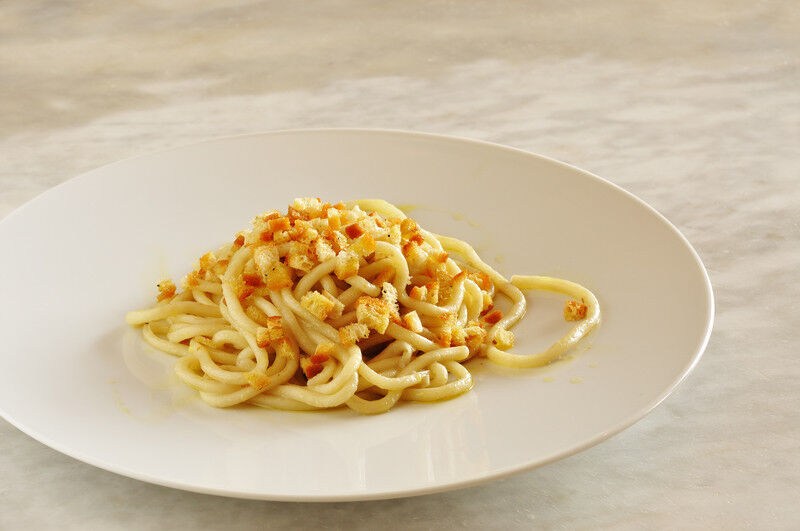
Pici all'Aglione: The Timeless Flavors of Tuscany's Heartland
Discovering Pici: Tuscany’s Rustic Hand-Rolled Pasta
Pici—an ancient and beloved pasta—hails from the rolling countryside of southern Siena, especially in the vibrant triangle connecting Chiusi, Montepulciano, and Monte Cetona. In neighboring towns like Montalcino, these long, thick noodles are affectionately known as pinci. Dating back to the Etruscan era, pici is a testament to the resourcefulness of local communities, crafted from simple ingredients: wheat flour, water, and salt. The dough is hand-rolled into ropes using a unique back-and-forth motion on wooden boards, creating pasta with a hearty bite and distinctive irregularity. This traditional technique, passed down through generations, turns every strand of pici into a celebration of Tuscan heritage and culinary ingenuity.
Unraveling the Name: The Art of "Appiciare"
The name pici springs from the local dialect term "appiciare," describing the time-honored process of rolling and stretching the dough by hand. This artisanal method not only shapes the pasta but also embodies the spirit of communal cooking found in Tuscan kitchens. Making pici together is often a family event, especially during harvest celebrations or festive gatherings, symbolizing the region’s deep-rooted connection to its land and culinary traditions.
Cooking Pici: Simplicity and Tradition in Every Bite
Pici pasta, known for its robust texture, is typically cooked fresh in gently simmering salted water until soft yet pleasingly chewy. Unlike high-protein pastas, pici’s wheat flour base yields a tender consistency, allowing it to absorb the flavors of any accompanying sauce. Whether served with a rustic ragu or a simple drizzle of olive oil, each serving honors the humble origins of Tuscan peasant cuisine, transforming modest ingredients into an unforgettable meal.
The Classic Flavors: Time-Honored Sauces for Pici
Among the myriad ways to enjoy pici, the most cherished is with a vibrant sauce of aglione—a unique, mild garlic—and ripe tomatoes, especially popular in the Val di Chiana. Over centuries, inventive cooks have also paired pici with rich meat ragùs—duck being a notable favorite—or with “crumbs” (Tuscan bread sautéed with olive oil and garlic), turning leftover bread into a delectable treat. Each sauce highlights the region’s agricultural bounty and the enduring spirit of Tuscan home cooking.
Aglione: Tuscany’s Gentle Giant of Garlic
Aglione (Allium ampeloprasum var. Holmense) is a unique variety of garlic grown almost exclusively in the Val di Chiana and parts of the Val d'Orcia. Unlike ordinary garlic, aglione bulbs can weigh up to 600 grams and reach up to 12 cm in diameter. Its mild, aromatic flavor is prized because it lacks alliin, the compound responsible for garlic’s notorious aftertaste and pungency. This makes aglione ideal for those seeking flavor without the lingering aftereffects. Revered since ancient times, aglione was a staple in Etruscan and Roman kitchens, and its cultivation remains a source of pride among local farmers, connecting present-day Tuscany with its rich agricultural past.
Pici all’Aglione: Savoring a Tuscan Classic
With its toothsome texture and robust flavor, Pici all’Aglione offers a culinary experience that is deeply satisfying. This dish’s appeal lies in the harmony between the pasta’s chewiness and the delicate, aromatic sauce, creating an unforgettable taste sensation. Aglione’s unique profile transforms the dish into a symphony of fresh, sweet, and savory notes, leaving a lasting impression on the palate. Traditionally enjoyed during festivals and family gatherings, Pici all’Aglione is a symbol of the warmth and generosity of Tuscan hospitality.
From Field to Table: The Cycle of Aglione Cultivation
The aglione bulb has a seasonal rhythm that shapes local culinary traditions. Planting occurs from late October to early November, with the harvest taking place between June and July. Once gathered, aglione must be stored in a cool, dry, and shaded location to maintain its exceptional quality. This careful stewardship of the crop ensures the preservation of both flavor and heritage, as local farmers perpetuate age-old agricultural practices.
Where to Find Authentic Aglione
Due to its limited cultivation and increasing demand, aglione is a prized ingredient that can be difficult to obtain outside the Val di Chiana during its season. When available, it often commands a premium price—typically around €30-35 per kilogram—reflecting its rarity and the labor-intensive care required for its growth. For those seeking to taste the true essence of Tuscan cuisine, enjoying aglione at its source is an unforgettable gastronomic journey.
The Perfect Pairing: Wine and Pici all’Aglione
Pici all’Aglione finds its ideal companion in a youthful Chianti Classico. The dish’s sweet and aromatic notes from the pasta, tomatoes, and aglione blend harmoniously with the lively freshness and balanced structure of a Sangiovese wine. This classic pairing not only elevates each mouthful but also encapsulates the essence of Tuscan dining—a celebration of land, culture, and conviviality.
Where to Savor Pici all’Aglione in the Val di Chiana
Embark on a culinary pilgrimage to these authentic trattorias, where the spirit of Tuscany comes alive in every dish. Relish the time-honored flavors, the warmth of local hospitality, and the unique pleasure of tasting Pici all’Aglione in the land where it was born.
all.sign in to leave a review