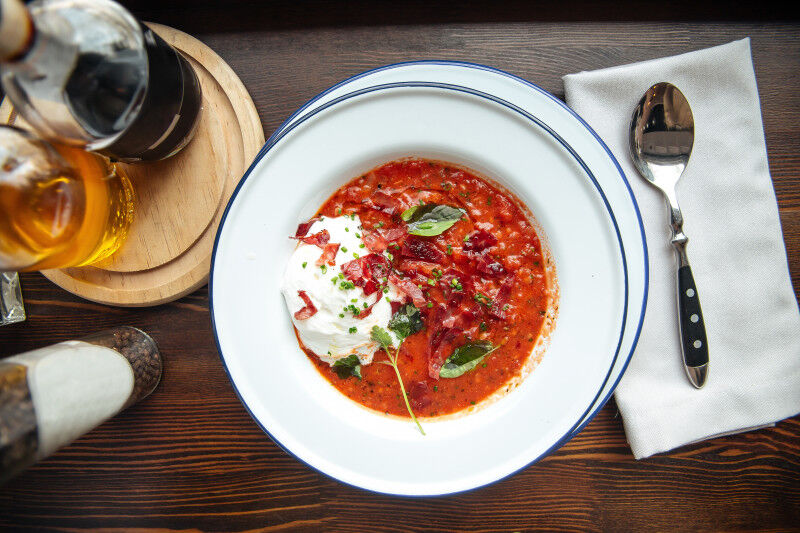
Video / Discover the True Tuscan Pappa al Pomodoro Recipe!
Experience the Story and Flavor of Tuscan Pappa al Pomodoro
- This iconic first course is a testament to Tuscan culinary history
- Originating from humble peasant traditions, it embodies the spirit of resourcefulness
- A celebrated classic from the heart of Tuscany
- Made with simple yet meaningful ingredients: unsalted Tuscan bread, ripe tomatoes, garlic, basil, and extra virgin olive oil; created as an ingenious way to use leftover bread throughout all seasons
- Pappa al Pomodoro can be stored in the refrigerator in an airtight container for up to two days, allowing its rustic flavors to deepen
Understanding 'Pappa': A Taste of Tuscan Culinary Heritage
The term pappa has been woven into the fabric of Tuscan kitchens for centuries. While it may sometimes refer to an overcooked grain or be used in the context of baby food, in Tuscany pappa is a proud reference to hearty, comforting dishes made by simmering dry or stale bread in a rich broth or water. This tradition of pancotto (literally "cooked bread") distinguishes these creations from simple soups by emphasizing the transformation of humble bread into a nourishing meal.
The best-known version is undoubtedly the Tuscan pappa al pomodoro, immortalized in the beloved 1912 children’s novel Il giornalino di Gian Burrasca by Vamba. In this literary classic, the dish becomes a symbol of camaraderie, sharing, and the simple joys of life, reinforcing its role as a centerpiece of Tuscan culture and family gatherings. The culinary tradition endured through generations, marking celebrations and daily meals alike, always reminding locals of the importance of togetherness and seasonal, local ingredients.
Pappa al Pomodoro: Florence’s Timeless Classic Dish
In Florence and throughout Tuscany, pappa is synonymous with comfort and tradition. This cherished recipe, especially close to the hearts of Florentines, brings together rustic Tuscan bread—famously unsalted or "sciocco"—with luscious, sun-ripened tomatoes, fragrant basil, and extra virgin olive oil. The origins of this dish are rooted in frugality and ingenuity, transforming leftover bread into something extraordinary, especially during the height of Tuscan summer when the tomatoes are bursting with flavor.
Traditionally, the dish is enhanced with a hint of garlic, sometimes accompanied by onion or a pinch of chili for extra depth. Each area, and sometimes even each family, has its own subtle variations, reflecting the unique micro-regions and history of Florence and Tuscany. These nuances tell stories of local produce, home gardens, and the evolution of a dish that’s been lovingly passed down through generations.
Today, Pappa al Pomodoro is enjoyed year-round, but true connoisseurs know it’s best savored in summer, when the tomatoes are at their sweetest and the basil is fresh from the garden. The dish’s comforting texture and rich history make it a beloved staple on Florentine tables and in trattorias across the region.
The Origins of Pappa al Pomodoro: From Rustic Simplicity to Tuscan Icon
The history of Pappa al Pomodoro is as rich as its flavor. Its roots trace back to the times when white bread became common in Tuscan households, and nothing was ever wasted. Initially, the recipe was a "white" version, made simply with chunks of stale bread, garlic, and broth—without tomatoes, which arrived in Europe only after the discovery of the Americas.
As tomatoes gained popularity in Italian cuisine, they were gradually incorporated into the classic "pappa bianca," lending vibrant color and a new layer of taste to the dish. In the beginning, tomato concentrate was used, but over time, fresh tomatoes—especially those grown in the fertile Tuscan soil—became the preferred choice. This adaptation mirrored the Tuscan approach to cooking: embracing new ingredients while maintaining a steadfast commitment to tradition and sustainability.
Today, Pappa al Pomodoro stands as a delicious example of how Tuscan cuisine has celebrated local produce and the art of reinvention throughout history.
Essential Ingredients for Authentic Pappa al Pomodoro
- Juicy, ripe tomatoes for sauce or high-quality peeled tomatoes with their liquid
- Fresh garlic cloves, sometimes new garlic for a more delicate aroma
- Red onion, adding a touch of sweetness and depth
- Celery and carrot, which pay homage to classic soffritto and enrich the flavor base
- Handful of fragrant basil leaves (or sage, a traditional alternative when basil isn’t available)
- Authentic Tuscan unsalted bread, ideally slightly stale for perfect texture
- High-quality extra virgin olive oil, a hallmark of Tuscan agriculture and cuisine
- Chili powder (optional), for a gentle kick, reflecting local preferences
► Explore the Full Recipe
Serving Pappa al Pomodoro: A Celebration of Color and Aroma
A true Tuscan table wouldn’t be complete without Pappa al Pomodoro adorned with a burst of fresh basil and a generous drizzle of raw extra virgin olive oil, which intensifies both aroma and flavor. This classic dish is often enjoyed as a canvas for creativity—some add earthy mushrooms, creamy burrata, or savory anchovies for a modern touch, each addition telling a new story of local tastes.
Pappa al Pomodoro is best served just warm, never piping hot, so its gentle flavors and velvety consistency can truly shine. Some innovative chefs even reinvent it as a flan or pudding, but the soul of the dish remains in its rustic textures and honest flavors.
Expert Tips for Reheating Pappa al Pomodoro
Leftover Pappa al Pomodoro is a rare treat! If you find yourself with an extra serving, reheat it gently to preserve its comforting character. The microwave is a practical choice due to the dish’s thickness and tendency to stick, but the stovetop works well if you add a splash of water and warm slowly over low heat. Avoid vigorous stirring, which can reactivate the bread’s starches and alter the dish’s delicate texture. The end result should always be soft, smooth, and inviting—just like a true Tuscan embrace.
Discover the Best Pappa al Pomodoro in Florence
For an authentic Florentine experience, Cibreo Trattoria is the place to be. Here, wooden tables, rustic paper placemats, and a tradition of oral menus set the scene for unforgettable meals. Each dish, including their renowned Pappa al Pomodoro, pays tribute to Florence’s rich culinary past with uncompromising respect for seasonal, local ingredients. The trattoria’s ambiance and flavors capture the very essence of Tuscan hospitality and tradition.
Step into Da Burde and you’ll step back in time. Established in 1901, this cherished "bottega" is a living archive of Florence’s culinary heritage. Passed down through generations, the kitchen preserves beloved family recipes while incorporating modern techniques. Their Pappa al Pomodoro is a true testament to the enduring flavors and traditions that have defined Tuscan cuisine for over a century.
At Tramvai: A Taste of San Frediano’s Heart
Located in Florence’s vibrant San Frediano district, Tramvai is a local favorite for its convivial spirit and dedication to honest, flavorful fare. Their Pappa al Pomodoro reflects the district’s character—hearty, approachable, and rooted in tradition—making it a must-try for anyone seeking the genuine flavors of Florence’s neighborhoods.
Perfect Pairings: Wine and Tradition with Pappa al Pomodoro
Pairing wine with Pappa al Pomodoro is a celebration of Tuscan vineyards and culinary artistry. A robust, aromatic white wine complements the dish best, offering balance against the fresh, vibrant notes of ripe tomatoes and basil. While red wines may overpower the delicate flavors, a well-structured white enhances the subtlety and complexity of the soup.
Seek out whites with a rounded texture and nuanced bouquet—these create a harmonious contrast with the dish’s acidity and herbal perfumes. Wines such as Chardonnay, Sauvignon Blanc (especially those from Tuscan vineyards), or the esteemed Vernaccia di San Gimignano Riserva aged in wood, all stand out as ideal companions. Each sip elevates the dining experience, drawing out the best in both wine and dish while connecting you to the land and its time-honored winemaking traditions.
The Enduring Appeal of Pappa al Pomodoro: Taste, Tradition, and Sustainability
Tuscans often say, "mangia la pappa al pomodoro perché ti fa bello"—eat this tomato delight and it will make you beautiful. Beyond this charming proverb, Pappa al Pomodoro embodies the values of sustainability, creativity, and community. Born from a desire to avoid waste and make the most of every ingredient, this dish has long been a symbol of circular economy and respectful stewardship of the land.
In the warmth of summer, it saves you from boiling water on hot days, while in every season it reminds us to cherish what we have and honor the flavors of Tuscany. Whether you’re seeking to reconnect with traditional recipes or simply to enjoy a wholesome, flavorful meal, Pappa al Pomodoro offers nourishment for the body and soul, steeped in the history of the Florentine countryside.
Discover More Tuscan Flavors:
all.sign in to leave a review